

Velux Loft Conversions in West London: Budget-Friendly Space Solutions
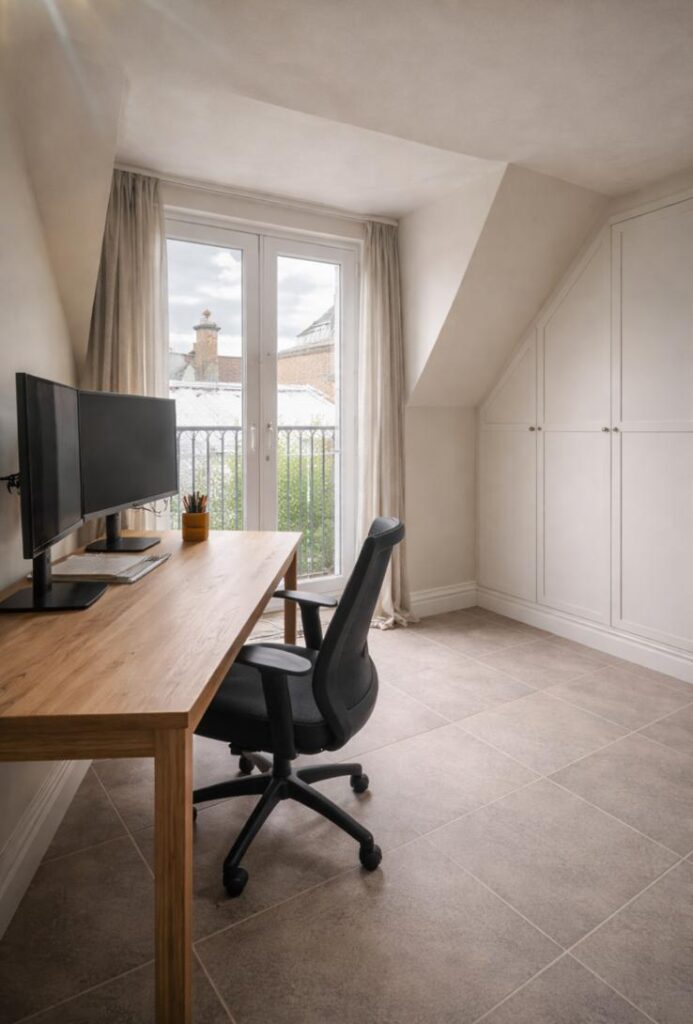
If you’re looking for the most cost-effective way to add living space to your West London home, a Velux loft conversion could be the perfect solution. Velux loft conversions transform your existing loft space into functional rooms using roof windows rather than structural extensions, making them the most affordable and quickest loft conversion option. This comprehensive guide covers everything you need to know about Velux loft conversions across West London—from design options and costs to planning requirements and how Velux conversions work on different property types. Whether you’re in Richmond, Ealing, or anywhere across West London, this article will help you understand how a Velux loft conversion can create valuable additional space without breaking the bank.
What Is a Velux Loft Conversion?
A Velux loft conversion transforms your existing loft space into a functional room using roof windows (typically Velux brand windows, hence the name) rather than building dormer extensions or altering your roof structure. The conversion works within your existing roof space, adding insulation, flooring, heating, lighting, and roof windows to create a comfortable, usable room. Because you’re not changing your roof’s external profile, Velux loft conversions are the simplest, quickest, and most affordable loft conversion option.
Velux loft conversions suit properties with sufficient existing roof height and floor space—typically homes with traditional pitched roofs where the loft already has reasonable headroom. The roof windows flood your new space with natural light whilst maintaining your property’s external appearance. This makes Velux conversions particularly attractive for conservation areas throughout Richmond, Kew, and sensitive parts of Hammersmith & Fulham where planning officers prioritise preserving external character.
Whilst “Velux” is a brand name, it’s become the generic term for this type of loft conversion using roof windows. Other manufacturers produce similar roof windows, but Velux remains the most popular brand due to their quality, warranty, and range of options. Some specialists call these “rooflight conversions” or “roof window conversions,” but they’re all essentially the same thing—transforming your loft using windows installed in your existing roof slope.
The beauty of Velux loft conversions is they work brilliantly when you need one additional room—a bedroom, home office, or study—and your existing loft space has sufficient height. If you’ve got good headroom in your loft already and you want to keep costs down whilst avoiding planning complications, a Velux conversion is probably your best option.
Why Choose a Velux Loft Conversion for Your West London Home?
Velux loft conversions offer exceptional value when you need one additional room and your existing loft space has sufficient height. The cost savings compared to dormer or mansard conversions are substantial—typically £15,000-£20,000 less—whilst still creating functional, comfortable living space. For homeowners on tighter budgets or those who simply want the most cost-effective solution, Velux conversions deliver brilliant results.
Properties in conservation areas throughout Richmond, Kew, and sensitive parts of Hammersmith & Fulham benefit enormously from Velux loft conversions. Because you’re not altering your roof’s external profile, planning officers are far more supportive of Velux conversions than dormer or mansard extensions. Many Velux conversions in conservation areas proceed under permitted development rights, avoiding lengthy planning applications entirely. Properties near Richmond Park, around Kew Gardens, and throughout conservation areas regularly feature Velux conversions that have added valuable space without compromising external character.
Velux loft conversions take just 4-5 weeks from start to finish, roughly half the time of dormer conversions. The work is entirely internal except for installing the roof windows, which means minimal disruption to your daily life. Most homeowners remain in residence throughout the conversion, with work contained to the loft space. For families who need additional space quickly or those who want to minimize building work disruption, Velux conversions are ideal.
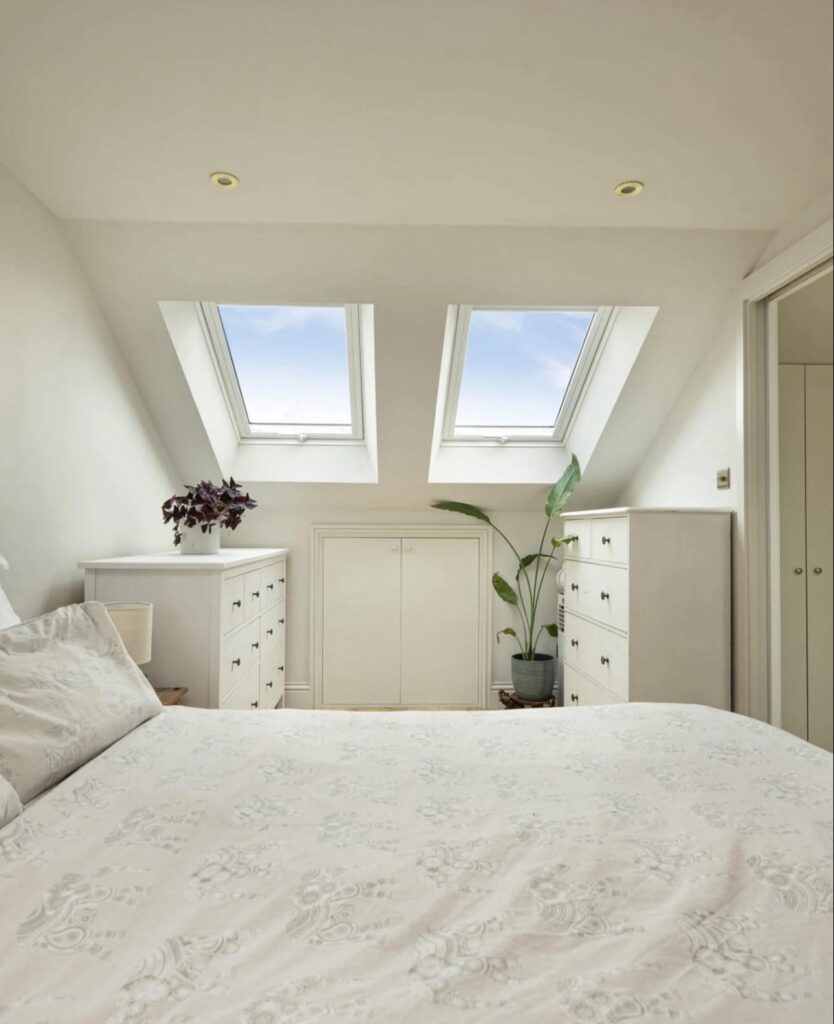
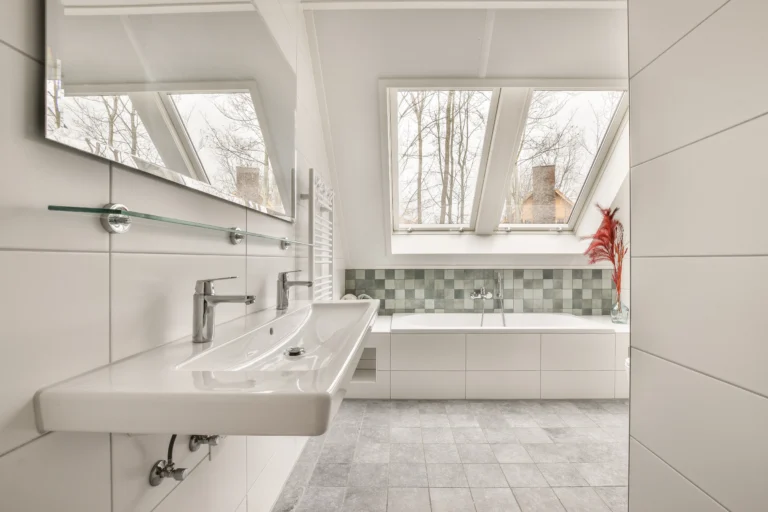
Multiple Velux roof windows create bright, airy spaces flooded with natural light. The windows can be positioned to maximize light throughout the day, creating rooms that feel spacious and welcoming despite working within your existing roof structure. Modern Velux windows include options for electric opening, blackout blinds, and ventilation controls, delivering comfort and functionality. Properties around Chiswick, throughout Ealing, and across Hammersmith regularly feature Velux conversions with stunning natural light that transforms loft spaces.
The investment in a Velux loft conversion typically adds 10-15% to property values in West London. Whilst the value increase is lower than dormer or mansard conversions, the cost is also substantially lower, delivering excellent return on investment. For homeowners near Walpole Park, around Gunnersbury Park, and throughout West London who need one additional room cost-effectively, Velux conversions represent smart financial decisions.
How Much Does a Velux Loft Conversion Cost in West London?
Understanding Velux loft conversion costs helps you plan this budget-friendly home improvement project effectively. West London Velux conversions typically cost £25,000-£35,000, making them the most affordable loft conversion option. This investment creates functional additional living space whilst keeping costs substantially lower than dormer, mansard, or hip-to-gable conversions.
A standard Velux loft conversion in West London typically costs £25,000-£30,000, creating one good-sized bedroom or home office with natural light from multiple roof windows. More extensive Velux conversions with en-suite bathrooms or premium specifications cost £30,000-£35,000. These Velux loft conversion costs include everything from initial design and structural assessment through to building regulations compliance, all construction work, roof windows, insulation, electrics, plumbing, decoration, and project management.
The cost savings compared to other loft conversion types are substantial. A Velux conversion costs roughly £15,000-£20,000 less than a comparable dormer conversion, £25,000-£35,000 less than a mansard conversion, and £15,000-£25,000 less than a hip-to-gable conversion. For homeowners who need one additional room and have sufficient existing loft height, the Velux option delivers exceptional value whilst creating comfortable, functional space.
When you consider what moving house costs in West London—stamp duty on a £600,000 property is £20,000, plus estate agent fees of £12,000-£15,000, removal costs, and all the hassle—a Velux loft conversion at £30,000 looks like brilliant value. Most quality Velux conversions add £60,000-£90,000 to property values, delivering excellent return on your investment whilst keeping upfront costs manageable.
- Design, structural assessment, and building regs: £2,500-£4,000
- Velux roof windows (3-4 windows): £3,000-£5,000
- Structural work, flooring, and stairs: £8,000-£11,000
- Insulation and weatherproofing: £3,000-£4,500
- Electrics, plumbing, and heating: £3,500-£5,000
- Plastering, decoration, and finishing: £4,000-£6,000
- Project management: £1,000-£2,000
Velux Loft Conversion Planning Permission in West London
Most Velux loft conversions fall under permitted development rights, meaning you can proceed without formal planning applications. Because you’re not altering your roof’s external profile—just adding roof windows—planning requirements are typically straightforward. However, there are important conditions and exceptions you need to understand.
Velux loft conversions qualify for permitted development provided they meet specific criteria. The roof windows must not project more than 150mm beyond the existing roof slope, materials must be similar in appearance to your existing roof, and the conversion must not increase your property’s overall height. The windows should be conservation-style roof windows in conservation areas, and you cannot install roof windows on the principal elevation (typically the front) facing a highway without planning permission.
Velux loft conversions require planning permission if your property is a listed building, if your permitted development rights have been removed, or if you’re installing windows on the front elevation facing a highway. Properties throughout Richmond, Kew, and sensitive parts of Hammersmith & Fulham may require planning applications even for Velux conversions if they’re in particularly sensitive conservation areas or if the windows would be highly visible from the street.
For properties in conservation areas throughout West London, Velux conversions are generally the most acceptable loft conversion option because they preserve your roof’s external profile. Planning officers support Velux conversions far more readily than dormer or mansard extensions. However, you typically need to use conservation-style roof windows that sit flush with the roof slope rather than projecting windows. Properties near Richmond Park, around Kew Gardens, and throughout conservation areas regularly proceed with Velux conversions under permitted development.
Richmond upon Thames supports Velux loft conversions in conservation areas, prioritising this approach over dormer extensions that alter roof profiles. The council has clear guidance on appropriate roof window styles for conservation areas. Hammersmith & Fulham supports Velux conversions throughout the borough, with most proceeding under permitted development rights. Properties near Ravenscourt Park and around Shepherd’s Bush regularly feature Velux conversions.
Ealing supports Velux loft conversions as the most sympathetic option for period properties. The council has approved numerous Velux conversions under permitted development. Properties near Walpole Park and throughout Ealing benefit from straightforward Velux conversion approvals. Hounslow supports Velux conversions in Chiswick and Brentford, with most proceeding under permitted development rights.
Working with Velux conversion specialists: Experienced Velux loft conversion specialists understand exactly when permitted development applies and when planning permission is required. They assess your specific property and location, advise on appropriate roof window styles and positions, and handle any planning applications or permitted development notifications. For properties in conservation areas or where planning requirements are complex, specialist knowledge ensures your Velux conversion proceeds smoothly.
Experienced Velux loft conversion specialists understand exactly when permitted development applies and when planning permission is required. They assess your specific property and location, advise on appropriate roof window styles and positions, and handle any planning applications or permitted development notifications. For properties in conservation areas or where planning requirements are complex, specialist knowledge ensures your Velux conversion proceeds smoothly.
Velux Loft Conversion Timeline: What to Expect
Understanding the timeline for your Velux loft conversion helps you plan effectively and know what to expect at each stage. Most Velux loft conversions take just 4-5 weeks from start to finish, making them the quickest loft conversion option. The shorter timeline means less disruption to your daily life and faster access to your new living space.
Week 1: Preparation and roof windows Scaffolding is installed around your property to provide safe access for installing the roof windows. The roof windows are carefully installed, with each window fitted into your existing roof structure. High-performance flashing ensures weatherproof installation. This is the only phase involving external work, and it’s typically completed within a few days. Internal protection is installed throughout your home to contain dust and debris during the conversion.
Week 2: Structural work and flooring Any necessary structural reinforcement is completed, typically strengthening floor joists to meet building regulations for habitable rooms. New flooring is installed throughout your loft space, creating a solid, level surface. Internal access stairs are constructed connecting your new loft space to the floor below. This phase transforms your loft from storage space into the foundation of a proper room.
Week 3: Insulation and first fix High-performance insulation is fitted throughout your Velux loft conversion, including between rafters, under the roof, and in walls. This ensures energy efficiency and compliance with building regulations. First fix electrics and plumbing are completed, including wiring for lighting, sockets, heating, and any bathroom facilities if you’re including an en-suite. The insulation and first fix work is critical for creating a comfortable, functional room.
Week 4: Second fix and plastering Plasterboard is fitted throughout your Velux loft conversion, creating smooth walls and ceilings. Plastering is completed to a high standard. Second fix electrics and plumbing are completed, including light fittings, sockets, radiators, and bathroom fixtures if applicable. The space starts looking like a proper room rather than a building site.
Week 5: Decoration and completion Decoration, flooring, and final finishing transforms your Velux loft conversion into beautiful, functional living space. Building regulations inspection confirms everything meets required standards. Final snagging is completed, and your new loft space is ready for use. Most homeowners are delighted by how quickly the transformation happens—from start to finished room in just 4-5 weeks.
Throughout your Velux loft conversion, a dedicated project manager maintains communication, ensuring you always know what’s happening. Most homeowners remain in residence during the conversion, with work contained to the loft space and minimal disruption to daily life.
Best West London Properties for Velux Loft Conversions
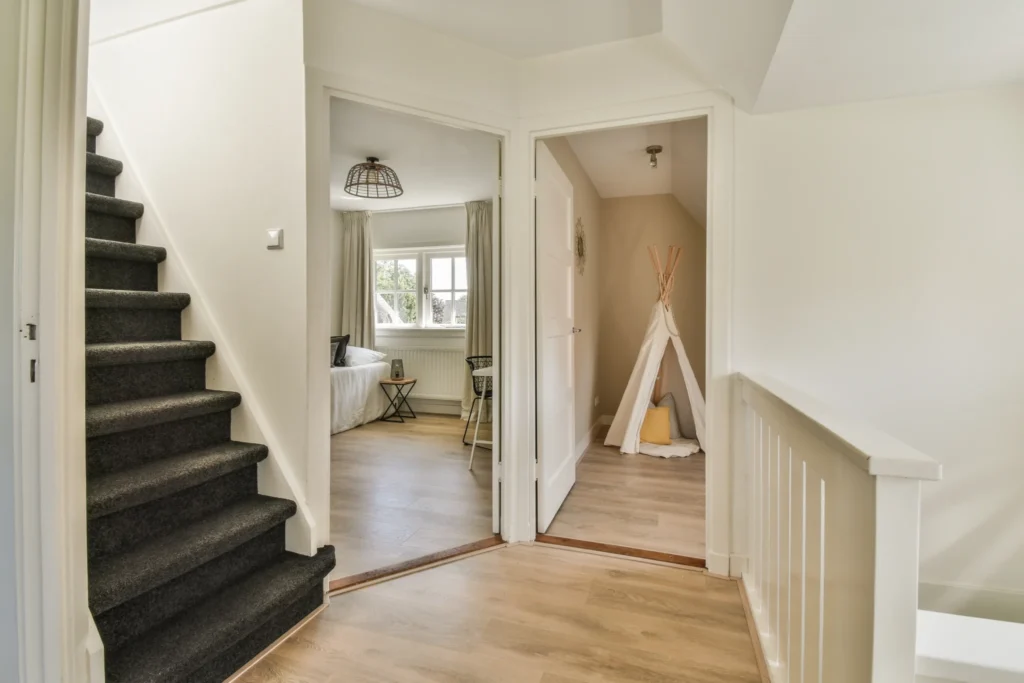
Velux loft conversions suit properties with sufficient existing loft height and floor space—typically homes with traditional pitched roofs where the loft already has reasonable headroom. Understanding whether your property is suitable for a Velux conversion helps you make informed decisions about the most cost-effective way to add living space.
Victorian and Edwardian terraces throughout West London are excellent candidates for Velux loft conversions provided they have sufficient existing loft height. These period properties typically feature generous roof pitches that create good headroom in the loft space. Properties around Shepherd’s Bush, Acton, and Chiswick regularly feature Velux conversions that have added valuable bedrooms or home offices cost-effectively. The key is having at least 2.2 metres of headroom in the centre of your loft space.
1930s semi-detached properties across Ealing, Richmond, and Hounslow can be suitable for Velux conversions depending on their roof pitch and existing loft height. Properties with steeper roof pitches typically have sufficient headroom for Velux conversions, whilst those with shallower pitches may need dormer or hip-to-gable conversions instead. Properties near Walpole Park and around Gunnersbury Park benefit from Velux conversions when existing loft space is adequate.
Period properties in conservation areas throughout Richmond, Kew, and sensitive parts of Hammersmith & Fulham are ideal for Velux loft conversions. The ability to add living space without altering your roof’s external profile makes Velux conversions the most acceptable option in conservation areas. Properties near Richmond Park, around Kew Gardens, and throughout conservation areas regularly feature Velux conversions that have added space whilst preserving external character.
Property characteristics favouring Velux conversions: Properties with roof pitches of 35 degrees or steeper typically have sufficient headroom for Velux conversions. Homes where you need one additional room rather than multiple rooms benefit most from Velux conversions. Properties in conservation areas or where planning permission would be difficult for dormer extensions should seriously consider Velux conversions. Homes where budget is a priority and existing loft height is adequate make Velux conversions the smart choice.
Velux vs Dormer: Choosing the Right Conversion for Your Property
Understanding the difference between Velux and dormer loft conversions helps you choose the right option for your West London property and your specific needs. Both add valuable space, but they suit different situations and deliver different results.
Velux loft conversions work within your existing roof structure, using roof windows to create functional rooms without altering your roof’s external profile. Velux conversions cost £25,000-£35,000, take 4-5 weeks to complete, and typically proceed under permitted development rights. A Velux conversion makes sense when you need one additional room, your existing loft has sufficient height (2.2+ metres of headroom), you want to minimize costs, or you’re in a conservation area where planning permission would be difficult for dormer extensions.
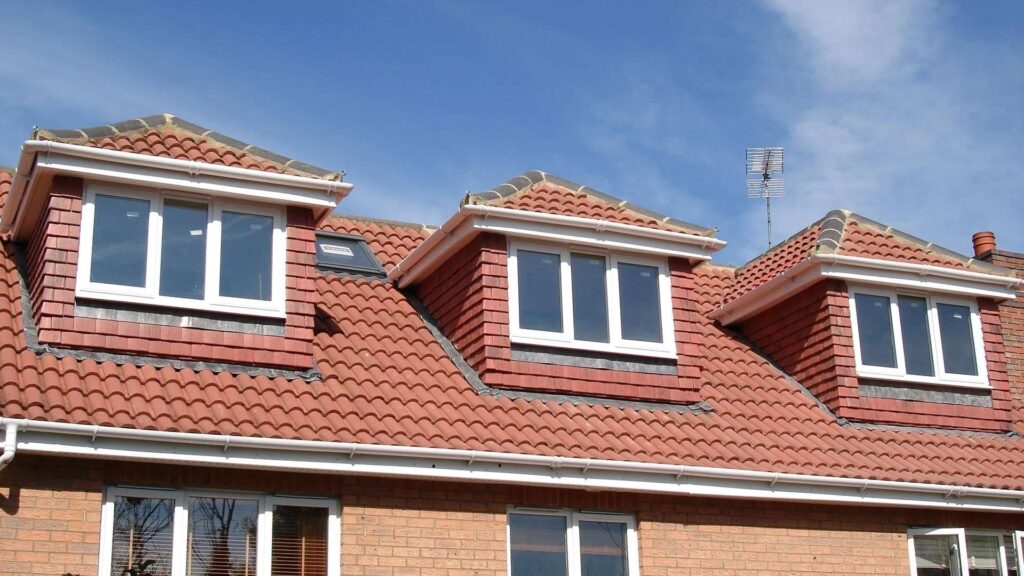
Dormer loft conversions extend from your existing roof slope, creating vertical walls and additional headroom by altering your roof structure. Dormers cost £40,000-£55,000, take 6-8 weeks to complete, and often require planning permission or fall under permitted development with conditions. A dormer makes sense when your existing loft lacks sufficient height, you need maximum usable floor space, or you want to create larger rooms with more flexibility for furniture placement.
For properties with good existing loft height in conservation areas throughout Richmond, Kew, and Hammersmith, Velux conversions offer brilliant value and straightforward approvals. Properties near Richmond Park, around Kew Gardens, and throughout conservation areas benefit from Velux conversions that add space without planning complications. The £15,000-£20,000 cost saving compared to dormers is substantial when existing loft space is adequate.
For properties with limited existing loft height or where you need maximum space, dormer conversions justify the additional investment. Properties around Chiswick, Acton, and throughout Ealing benefit from rear dormer conversions that create substantially more usable floor area than Velux conversions. The additional cost delivers more functional space when your existing loft height is insufficient for comfortable rooms.
Maximizing Space in Your Velux Loft Conversion
Whilst Velux loft conversions work within your existing roof structure, there are numerous ways to maximize the usable space and create comfortable, functional rooms. Understanding these design approaches helps you get the most from your Velux conversion.
The position and number of roof windows dramatically affects how your Velux loft conversion feels. Multiple windows create bright, airy spaces that feel larger than they are. Windows positioned on different roof slopes provide natural light throughout the day. South-facing windows maximize natural light, whilst north-facing windows provide consistent, even illumination. Properties around Ravenscourt Park, throughout Ealing, and across Hammersmith regularly feature Velux conversions with strategically positioned windows that create stunning spaces.
Built-in storage in the eaves maximizes usable floor space in your Velux loft conversion. Custom wardrobes, drawers, and shelving units fitted into the sloped ceiling areas create substantial storage without cluttering your room. The key is using the awkward low-height areas for storage whilst keeping the central high-headroom area clear for living space. Experienced designers create storage solutions that maximize every bit of available space in your Velux conversion.
Light colour schemes make Velux loft conversions feel more spacious and airy. White or pale walls reflect natural light from the roof windows throughout the space. Light-coloured flooring enhances the sense of space. Mirrors positioned strategically reflect light and create the illusion of more space. Properties near Walpole Park, around Gunnersbury Park, and throughout West London benefit from light, bright Velux conversions that feel spacious despite working within existing roof structures.
Low-profile furniture works brilliantly in Velux loft conversions, maximizing usable floor space whilst accommodating sloped ceilings. Beds positioned centrally where headroom is greatest create comfortable sleeping areas. Desks and seating positioned near roof windows take advantage of natural light. The key is planning furniture placement carefully to work with your roof structure rather than fighting against it.
Get a free quote
For a free site survey please fill out the form below and we’ll get back to you, or call our freephone number 020 3488 4287 if you have any questions.
Velux Loft Conversion Design Styles for West London Properties
The design of your Velux loft conversion should maximize comfort and functionality whilst creating a space that suits your specific needs. West London’s diverse property types and architectural contexts mean Velux designs need to be tailored to individual homes and uses.
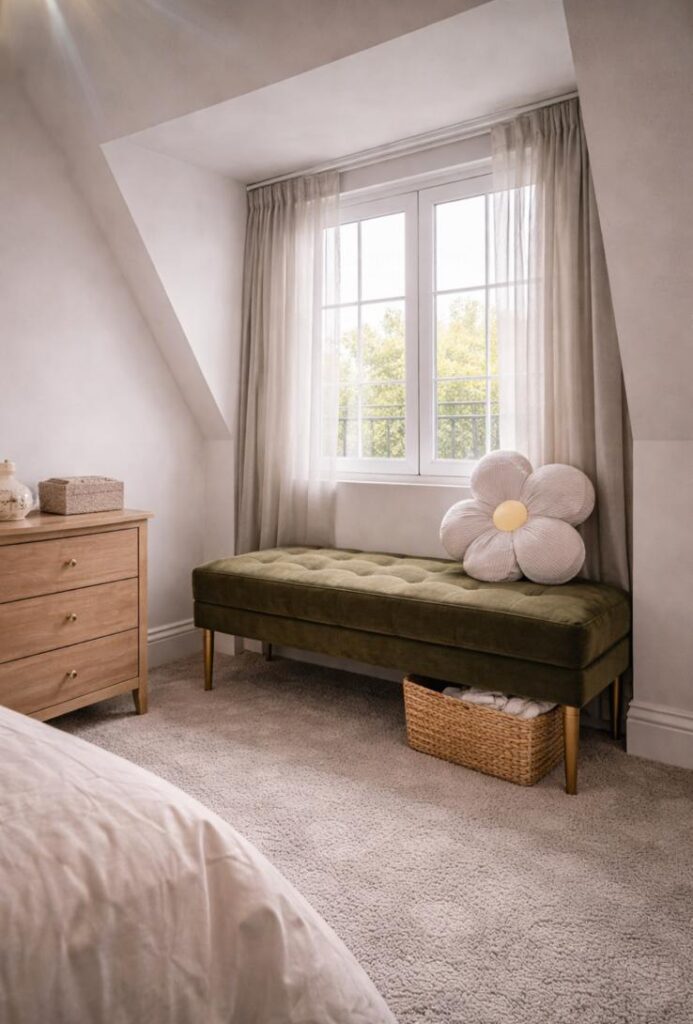
Velux loft conversions create excellent additional bedrooms, particularly for children or guests. Multiple roof windows provide natural light and ventilation. Built-in storage in the eaves maximizes floor space. Blackout blinds on the roof windows ensure comfortable sleeping. Properties throughout Ealing, Richmond, and Hammersmith regularly feature Velux bedroom conversions that have eliminated the need for families to move to larger properties.
Velux loft conversions are absolutely ideal for home offices. The natural light from roof windows creates perfect working conditions. The separate location away from main living areas provides quiet, focused workspace. Built-in desks and shelving maximize functionality. Properties near Ravenscourt Park, around Chiswick, and throughout West London benefit from Velux home office conversions that have transformed how homeowners work from home.
Velux loft conversions create brilliant study spaces, art studios, or hobby rooms. The natural light is perfect for creative work. The separation from main living areas provides dedicated space for focused activities. Properties around Kew Gardens, throughout Richmond, and across Hammersmith regularly feature Velux conversions used for music practice, art studios, or study spaces.
Properties with roof pitches of 35 degrees or steeper typically have sufficient headroom for Velux conversions. Homes where you need one additional room rather than multiple rooms benefit most from Velux conversions. Properties in conservation areas or where planning permission would be difficult for dormer extensions should seriously consider Velux conversions. Homes where budget is a priority and existing loft height is adequate make Velux conversions the smart choice.
Case Studies: Velux Loft Conversions in West London
Victorian Terrace in Chiswick
A three-bedroom Victorian terrace near Chiswick House gained a fourth bedroom through a Velux loft conversion. Three large roof windows flooded the space with natural light, creating a bright, airy bedroom. Built-in wardrobes in the eaves provided substantial storage. The project took just 4 weeks from start to completion, with the family remaining in residence throughout. The Velux loft conversion cost £28,000, adding approximately £75,000 to the property’s value. The homeowners valued the cost-effective solution that avoided planning complications in the conservation area.
Edwardian Terrace in Richmond
A three-bedroom Edwardian terrace near Richmond Park transformed its loft into a home office through a Velux conversion. Four roof windows on different roof slopes provided natural light throughout the day. Built-in desks and shelving maximized functionality. The project took 5 weeks to complete, including full decoration and fitted furniture. The Velux loft conversion cost £31,000, creating dedicated workspace that transformed how the homeowner worked from home. The conversion proceeded under permitted development rights, avoiding lengthy planning applications.
1930s Semi in Ealing
A three-bedroom 1930s semi-detached property near Walpole Park added a guest bedroom with en-suite through a Velux loft conversion. Three roof windows provided natural light, and a small en-suite bathroom created a self-contained suite. The project took 5 weeks to complete due to the bathroom addition. The Velux loft conversion cost £34,000, substantially less than the dormer conversion the homeowners initially considered. The conversion added approximately £85,000 to the property’s value whilst keeping costs manageable.
FAQ: Velux Loft Conversions West London
How much does a Velux loft conversion cost in West London?
Velux loft conversions in West London typically cost £25,000-£35,000, making them the most affordable loft conversion option. Standard Velux conversions cost £25,000-£30,000, whilst more extensive conversions with en-suite bathrooms or premium specifications cost £30,000-£35,000. These costs include all design and build work, roof windows, insulation, building regulations compliance, and project management.
Do I need planning permission for a Velux loft conversion in West London?
Most Velux loft conversions fall under permitted development rights, meaning you can proceed without formal planning applications. However, planning permission is required if your property is a listed building, if your permitted development rights have been removed, or if you’re installing windows on the front elevation facing a highway. Experienced specialists assess your specific property and advise on planning requirements.
How long does a Velux loft conversion take?
Most Velux loft conversions take just 4-5 weeks from start to finish, making them the quickest loft conversion option. The timeline includes all construction, finishing, and building regulations approval. The shorter timeline means less disruption to your daily life compared to dormer or mansard conversions.
Will a Velux loft conversion add value to my West London property?
Yes, Velux loft conversions typically add 10-15% to property values in West London. A £30,000 investment in a Velux conversion for a £600,000 property could increase its value by £60,000-£90,000, delivering excellent return on investment. Whilst the value increase is lower than dormer or mansard conversions, the cost is also substantially lower.
What properties are suitable for Velux loft conversions?
Velux loft conversions suit properties with sufficient existing loft height—typically at least 2.2 metres of headroom in the centre of the loft space. Victorian and Edwardian terraces with generous roof pitches are ideal. Properties in conservation areas benefit from Velux conversions because they preserve external roof profiles. Homes where you need one additional room rather than multiple rooms are perfect for Velux conversions.
How many roof windows do I need in a Velux loft conversion?
Most Velux loft conversions include 3-4 roof windows to provide adequate natural light and ventilation. The exact number depends on your loft size, roof orientation, and intended use. Bedrooms typically need 2-3 windows, whilst home offices benefit from 3-4 windows positioned to provide consistent natural light throughout the day.
Can I add a bathroom in a Velux loft conversion?
Yes, you can add a small en-suite bathroom in a Velux loft conversion provided there’s sufficient space and proper plumbing and drainage can be installed. The roof windows provide natural light and ventilation for the bathroom. Adding a bathroom increases the cost to £30,000-£35,000 but creates a self-contained bedroom suite.
Do I need to move out during a Velux loft conversion?
Most homeowners remain in residence throughout their Velux loft conversion. Work is contained to the loft space with internal access created in the final stages. The 4-5 week timeline and minimal external work mean less disruption than dormer or mansard conversions.
Are Velux conversions suitable for conservation areas?
Yes, Velux loft conversions are ideal for conservation areas because they preserve your roof’s external profile. Planning officers support Velux conversions far more readily than dormer or mansard extensions that alter roof structures. Properties throughout Richmond, Kew, and conservation areas in Hammersmith & Fulham regularly proceed with Velux conversions under permitted development.
How do I choose a Velux loft conversion specialist in West London?
Look for specialists exclusively focusing on loft conversions with extensive Velux conversion experience, comprehensive understanding of permitted development and planning requirements, fixed-price packages, dedicated project managers, insurance-backed guarantees, and membership in professional bodies. Check case studies from similar Velux projects in your specific West London area and conservation area experience if relevant.
Related Loft Conversion Advices
Loft Conversion Contracts: What Should Be in Writing (West London)
If you are planning a loft conversion in West London, the contract is one of the most important parts of
Budgeting for a Loft Conversion in West London: A Practical Cost Breakdown
If you are thinking about a loft conversion in West London, budgeting is usually the first sticking point. Not because
How to Spot a Good Loft Conversion Company vs a Sales-Driven Firm (West London)
If you are researching loft conversion companies in West London, you will quickly notice something. Some firms feel calm, clear,
Cost vs Value: Is a Loft Conversion Worth It in West London?
If you are considering a loft conversion in West London, it is completely normal to ask the blunt question. Is