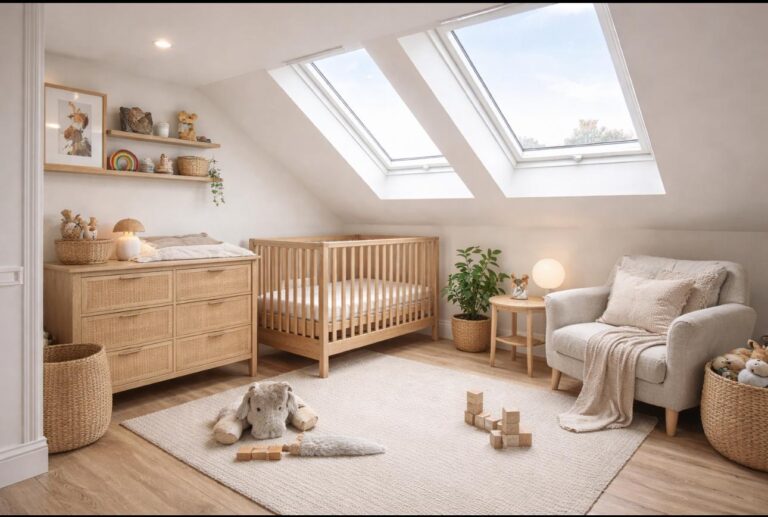

Understanding exactly what happens during a loft conversion helps West London homeowners prepare appropriately and know what to expect at each stage. From Ealing to Hammersmith, Chiswick to Hounslow, loft conversions follow a structured process that transforms your unused loft space into beautiful, functional living areas. This comprehensive step-by-step guide walks you through every stage of the loft conversion journey.
Stage 1: Initial Consultation and Property Assessment (Week 1)
Your loft conversion journey begins with a professional assessment of your property to determine suitability, discuss your requirements, and explore design options.
The initial consultation establishes your vision and requirements. Your loft conversion specialist visits your property to understand what you want to achieve—an extra bedroom, home office, master suite, or multi-purpose space. They discuss your budget, timeline expectations, and any specific requirements like en-suite bathrooms, built-in storage, or particular design preferences. Properties near Walpole Park in Ealing, around Ravenscourt Park in Hammersmith, and throughout West London benefit from specialists who listen carefully and understand your specific needs.
Property assessment determines technical feasibility. The specialist measures your loft space, assesses headroom (ideally 2.2-2.4 metres minimum), evaluates floor area, examines roof structure (traditional cut timber or modern trusses), and identifies potential challenges like limited access or structural considerations. They check whether your property is in a conservation area, whether it’s listed, and whether Article 4 directions apply. Properties around Chiswick High Road, near Hammersmith Broadway, and throughout West London undergo thorough assessments that identify opportunities and constraints.
Staircase placement is evaluated during this stage. The specialist identifies suitable locations for the new staircase, which typically requires approximately 3 metres of floor space from a landing or bedroom. They consider how staircase placement affects existing rooms and traffic flow throughout your home. Properties throughout Ealing, from Pitshanger Village to Northfields, benefit from creative staircase solutions that maximize space efficiency whilst meeting building regulations.
You receive a preliminary design concept and budget estimate. Based on the assessment, the specialist recommends the most suitable conversion type (Velux, dormer, mansard, hip-to-gable, or L-shaped) and provides a realistic budget estimate. This preliminary information helps you decide whether to proceed and gives you a clear picture of what’s achievable. Properties near Gunnersbury Park, around Acton Green, and throughout West London receive honest, realistic assessments that set appropriate expectations.
Stage 2: Detailed Design and Planning (Weeks 2-3)
Once you decide to proceed, detailed design work begins, creating comprehensive plans that will guide the entire project.
Architectural drawings are prepared to building regulations standards. These detailed plans show structural modifications, floor layouts, window placements, staircase design, insulation specifications, ventilation systems, and all technical details required for building regulations approval. The drawings include floor plans, elevations, cross-sections, and construction details. Properties throughout Ealing, Hammersmith, and Hounslow require these detailed plans for building regulations applications and construction guidance.
Structural engineering calculations ensure safety and compliance. Structural engineers design steel beams, calculate load-bearing requirements, specify floor joist reinforcement, and ensure your property can safely support the additional load. These calculations are essential for building regulations approval and ensure your conversion is structurally sound. Properties near Ravenscourt Park, around Chiswick Common, and throughout West London benefit from professional structural engineering that ensures safety and compliance.
Design refinements incorporate your feedback. You review the preliminary designs and provide feedback on layouts, window positions, storage solutions, and finishes. The specialist refines the designs based on your input, ensuring the final plans deliver exactly what you want. This collaborative process ensures satisfaction with the final result. Properties throughout Chiswick, from Turnham Green to Chiswick Park, benefit from iterative design processes that incorporate homeowner preferences.
Planning permission applications are prepared if required. If your conversion requires planning permission (conservation areas, listed buildings, conversions exceeding permitted development limits, or properties with Article 4 directions), the specialist prepares and submits planning applications. Applications include detailed drawings, design statements, and supporting documents. Properties in conservation areas like Bedford Park, around Chiswick’s historic streets, and throughout West London require carefully prepared planning applications that address local planning policies.
Stage 3: Approvals and Agreements (Weeks 4-10, concurrent with design)
Whilst design work progresses, necessary approvals and agreements are obtained to ensure legal compliance and neighbor cooperation.
Building regulations applications are submitted. Your specialist submits detailed plans to building control (either local authority building control or approved inspectors), demonstrating how your conversion meets all building regulations requirements for structural integrity, fire safety, insulation, ventilation, and staircase design. Building control reviews the application and typically approves it within 4-6 weeks. Properties throughout Ealing, Hammersmith, Hounslow, and across West London require building regulations approval before construction begins.
Party wall notices are served if required. For terraced and semi-detached properties where work affects shared walls, party wall surveyors prepare party wall awards documenting the planned work and protection measures for neighboring properties. Party wall notices are served on neighboring property owners, giving them formal notification. This process takes 4-6 weeks and costs £700-£1,500 per neighboring property. Properties around Hammersmith Grove, near Chiswick High Road, and throughout West London’s terraced streets navigate party wall processes as standard parts of loft conversions.
Planning permission decisions are received if applicable. Planning applications typically take 8-12 weeks for decisions. If approved, you receive planning permission allowing the conversion to proceed. If refused, you can appeal or modify designs and resubmit. Most well-designed applications for West London loft conversions are approved, particularly when prepared by specialists familiar with local planning requirements. Properties in conservation areas throughout Ealing, Hammersmith, and Chiswick benefit from specialists with proven track records of planning approvals.
Materials and contractors are scheduled. Once approvals are secured, your specialist orders materials, schedules tradespeople, and coordinates the construction timeline. This advance planning ensures smooth project execution without delays waiting for materials or trades. Properties near Walpole Park, around Pitshanger Lane, and throughout West London benefit from efficient project management that keeps conversions on schedule.
Stage 4: Preparation and Site Setup (Week 1 of Construction)
Before major construction begins, the site is prepared and protective measures are installed to minimize disruption to your home.
Your loft is cleared and prepared. Any items stored in your loft are removed (either by you or by the contractor, depending on your agreement). The loft space is cleared completely, creating a safe working environment. Properties throughout Ealing, from South Ealing to Northfields, require complete loft clearance before construction begins.
Protective measures are installed throughout your home. Heavy-duty sheeting covers floors, stairs, and access routes. Dust barriers seal off the work area from the rest of your home. Protective coverings are placed on furniture and fixtures near the work area. These measures minimize dust and damage to your existing home. Properties near Ravenscourt Park, around Hammersmith Broadway, and throughout W6 benefit from comprehensive protective measures that keep homes clean and functional during construction.
Scaffolding is erected if required. Most loft conversions require external scaffolding for safe access to the roof and for materials handling. Scaffolding typically remains in place for 5-7 weeks, covering the structural and roofing phases. Properties throughout West London’s terraced streets require scaffolding that complies with local authority requirements and maintains safe access for pedestrians.
Site facilities are established. Contractors set up tool storage, establish waste disposal arrangements (typically a skip for construction waste), and coordinate access arrangements. Clear communication about working hours (typically 8am-5pm Monday-Friday), parking for contractor vehicles, and site security ensures smooth operations. Properties around Chiswick High Road, near Turnham Green, and throughout W4 benefit from well-organized site setups that minimize neighborhood disruption.
Stage 5: Structural Work and Roof Modifications (Weeks 2-4 of Construction)
This is the most intensive phase, involving major structural modifications and roof alterations that create the framework for your new loft space.
Steel beams are installed to support the new structure. Structural steel beams are positioned according to engineering specifications, supporting the roof and distributing loads safely throughout your property. These beams are essential for creating open, usable space by removing or relocating load-bearing elements. Properties throughout Ealing, Hammersmith, and Hounslow require precisely engineered steel beams that ensure structural integrity.
Floor joists are reinforced or replaced. Existing loft floor joists, which were only designed to support ceiling loads, are reinforced or replaced with larger joists capable of supporting habitable room loads. This ensures your loft floor is safe and meets building regulations for deflection and load-bearing capacity. Properties near Walpole Park, around Ravenscourt Park, and throughout West London undergo floor reinforcement that creates solid, safe loft floors.
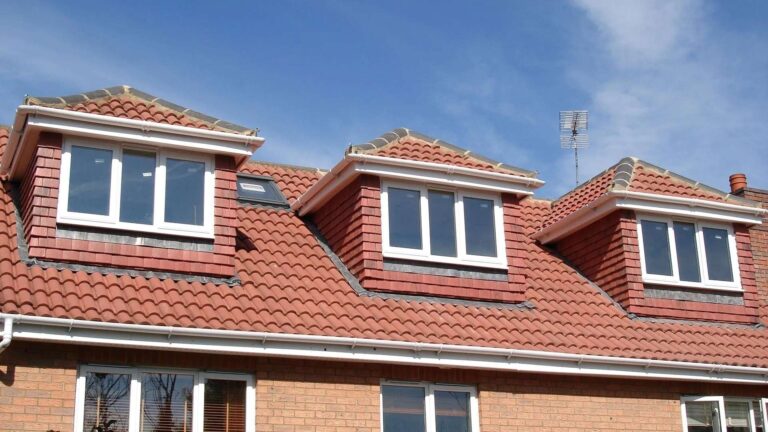
Roof modifications create your chosen conversion type. For dormer conversions, the dormer structure is built, extending from your existing roof slope. For mansard conversions, existing roof slopes are removed and replaced with near-vertical walls. For hip-to-gable conversions, the hipped end is replaced with a vertical gable wall. For Velux conversions, the existing roof structure remains largely unchanged. Properties around Gunnersbury Park, near Acton Green, and throughout West London see their loft spaces transformed during this crucial phase.
Truss roofs are modified if necessary. Properties with modern truss roofs have the trusses removed and replaced with traditional timber framing using steel beams to support the roof structure. This more complex work requires careful engineering but creates the open space needed for loft conversions. Modern properties throughout Hounslow, Brentford, and across West London successfully undergo truss roof modifications.
Building control inspections verify structural work. Building control inspectors visit during this phase to verify that structural work complies with approved plans and building regulations. These inspections ensure safety and compliance, providing peace of mind that your conversion is being built correctly. Properties throughout West London undergo these inspections as standard parts of the conversion process.
Stage 6: Weatherproofing and External Completion (Weeks 4-5 of Construction)
Once the structural framework is complete, the conversion is weatherproofed and external work is finished.
Roofing materials are installed. New roof coverings (tiles, slates, or other materials matching your existing roof) are installed on dormer roofs, mansard roofs, or modified roof areas. Felt, battens, and tiles are installed to manufacturer specifications, creating weathertight roofs. Properties throughout Ealing, from Pitshanger Lane to South Ealing Station, require roofing that matches existing materials and maintains architectural consistency.
Windows and doors are fitted. Dormer windows, Velux roof windows, or other window types are installed and sealed. These windows are double-glazed to building regulations standards, providing thermal performance and noise reduction. Any external doors (for example, accessing roof terraces) are fitted and weatherproofed. Properties near Chiswick Common, around Turnham Green Station, and throughout W4 benefit from high-quality windows that provide excellent light whilst maintaining energy efficiency.
External finishes are completed. Dormer walls are clad with materials matching your property (typically timber boarding, render, or tiles). Fascias, soffits, and guttering are installed. All external work is completed to high standards that complement your property’s existing appearance. Properties around Ravenscourt Park, near Hammersmith Grove, and throughout West London benefit from external finishes that enhance rather than detract from property appearance.
Scaffolding is removed. Once external work is complete and the conversion is weatherproof, scaffolding is dismantled and removed. This typically occurs 5-7 weeks into the project, marking the completion of the most disruptive phase. Properties throughout Chiswick, Hammersmith, and Ealing see significant reduction in disruption once scaffolding is removed.
Stage 7: First Fix—Services Installation (Weeks 5-6 of Construction)
With the structure weatherproof, internal services are installed before insulation and plastering.
Electrical wiring is installed throughout the loft. Electricians run cables for lighting, power sockets, heating controls, and any special requirements like network cabling or audio-visual systems. Wiring is installed to current electrical regulations, with circuits protected by RCDs and appropriate circuit breakers. Properties throughout Ealing, Hammersmith, and Hounslow require electrical installations that meet Part P building regulations.
Plumbing is installed if you’re including bathrooms. For en-suite bathrooms or other plumbing requirements, pipes are run for hot and cold water supplies, waste pipes are connected to existing soil stacks, and radiator pipes are installed. Plumbing work is carefully planned to minimize impact on existing systems whilst creating functional new facilities. Properties near Walpole Park, around Chiswick High Road, and throughout West London benefit from expert plumbing that integrates seamlessly with existing systems.
Heating systems are extended to the loft. Radiators or underfloor heating systems are installed, with pipework connected to your existing boiler (if capacity allows) or to upgraded boilers if required. Heating controls are installed, allowing independent temperature control for your loft space. Properties around Ravenscourt Park, near Hammersmith Broadway, and throughout W6 benefit from heating systems that create comfortable year-round loft spaces.
Ventilation systems are installed. Building regulations require adequate ventilation in loft conversions. Mechanical ventilation systems, extractor fans, and passive ventilation are installed as required. These systems prevent condensation, maintain air quality, and ensure comfortable living conditions. Properties throughout West London require ventilation systems that meet building regulations whilst operating quietly and efficiently.
Stage 8: Insulation and Fire Safety (Week 6 of Construction)
Before plastering, comprehensive insulation and fire safety measures are installed to meet building regulations.
Thermal insulation is installed throughout. High-performance insulation is installed in roofs, walls, and floors, meeting or exceeding building regulations requirements for thermal performance. Modern loft conversions achieve excellent U-values (typically 0.15-0.18 W/m²K for roofs), creating highly energy-efficient spaces. Properties throughout Ealing, Hammersmith, and Hounslow benefit from insulation that keeps loft spaces warm in winter and cool in summer.
Fire safety measures are implemented. Fire-resistant plasterboard is installed where required, fire doors are fitted to building regulations standards, smoke alarms and heat detectors are installed and interconnected, and escape routes meet building regulations requirements. These measures ensure your loft conversion is safe and compliant. Properties near Gunnersbury Park, around Acton Green, and throughout West London require comprehensive fire safety measures that protect occupants.
Sound insulation is installed. Acoustic insulation in floors reduces noise transmission between your loft and the rooms below, creating peaceful living spaces. This is particularly important for loft bedrooms above existing bedrooms or living areas. Properties throughout Chiswick, from Turnham Green to Chiswick Park, benefit from sound insulation that maintains privacy and comfort.
Building control inspections verify insulation and fire safety. Inspectors visit to verify that insulation meets required standards and fire safety measures are correctly implemented. These inspections ensure compliance and safety before plastering covers the work. Properties throughout West London undergo these inspections as standard parts of the conversion process.
Stage 9: Second Fix and Finishing (Weeks 7-8 of Construction)
The final construction phase involves plastering, decoration, and fitting out your loft space to completion standards.
Plastering creates smooth, finished walls and ceilings. Plasterboard is installed on walls and ceilings, then skimmed with finishing plaster to create smooth surfaces ready for decoration. Plastering typically takes 2-3 days, with additional drying time before decoration. Properties throughout Ealing, from Pitshanger Village to Northfields, benefit from professional plastering that creates perfect surfaces for decoration.
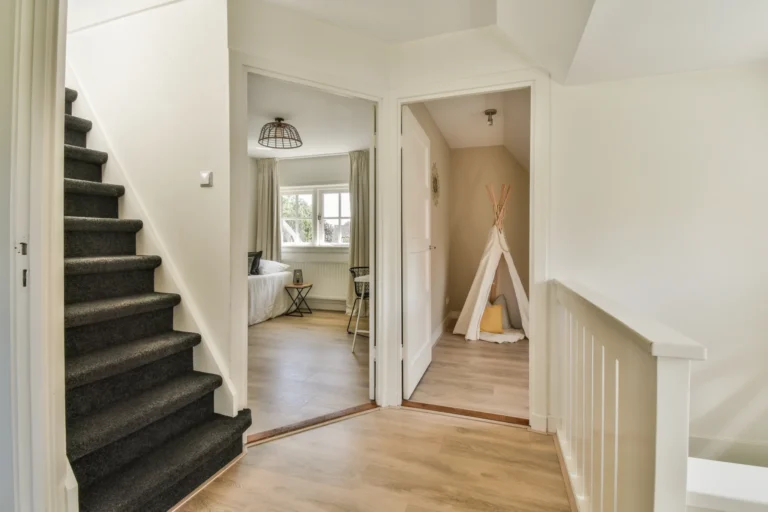
Staircases are installed. Your new staircase is fitted, connecting your loft to the floor below. Staircases meet building regulations for dimensions, headroom, and handrails, whilst being designed to complement your home’s existing style. Staircase installation marks a significant milestone, creating proper access to your new loft space. Properties near Ravenscourt Park, around Hammersmith Grove, and throughout W6 benefit from staircases that balance functionality with aesthetics.
Final electrical and plumbing work is completed. Light fittings, switches, and sockets are installed and tested. Bathroom fixtures (if applicable) are fitted and connected. Heating systems are commissioned and tested. All services are tested to ensure they function correctly and safely. Properties around Chiswick High Road, near Turnham Green, and throughout W4 undergo comprehensive testing that ensures all systems work perfectly.
Decoration is completed to agreed specifications. Walls and ceilings are painted, woodwork is finished, and any agreed decoration is completed. Most loft conversion packages include basic decoration (typically white walls and ceilings), with homeowners often choosing to add their own personal touches or upgrade finishes. Properties throughout Hammersmith, Ealing, and Hounslow receive decoration that creates move-in-ready loft spaces.
Flooring is prepared. Most conversions include floor screeding or basic flooring preparation, with homeowners typically adding their own carpet, laminate, or other floor finishes. Some packages include complete flooring installation. Properties near Walpole Park, around Pitshanger Lane, and throughout West London benefit from properly prepared floors ready for final floor coverings.
Stage 10: Final Inspections and Completion (Week 8 of Construction)
The final stage involves inspections, snagging, and formal completion of your loft conversion.
Final building control inspection is conducted. Building control inspectors conduct a comprehensive final inspection, verifying that all work complies with building regulations and approved plans. They check structural work, fire safety measures, insulation, ventilation, electrical installations, and overall compliance. Properties throughout Ealing, Hammersmith, and Hounslow require final inspections before completion certificates are issued.
Completion certificates are issued. Once the final inspection is passed, you receive a building regulations completion certificate confirming that your conversion complies with all requirements. This certificate is essential for future property sales and provides buyers with confidence that your conversion was completed properly. Properties throughout West London benefit from completion certificates that add value and credibility to loft conversions.
Snagging and final touches are completed. Any minor issues identified during final inspections or by you during walk-throughs are addressed. Touch-up painting, minor adjustments, and final cleaning are completed. Good contractors ensure every detail is perfect before considering the project complete. Properties near Ravenscourt Park, around Chiswick Common, and throughout West London benefit from thorough snagging processes that ensure complete satisfaction.
Final handover and documentation. You receive all relevant documentation including building regulations certificates, planning approvals (if applicable), warranties and guarantees, operating instructions for installed systems, and maintenance guidance. The contractor explains how to operate heating controls, ventilation systems, and any other installed features. Properties throughout Chiswick, Hammersmith, and Ealing receive comprehensive documentation that supports ongoing maintenance and future property sales.
Site is cleaned and cleared. All construction waste is removed, protective coverings are removed, and your home is cleaned. The site is left clean, tidy, and ready for you to enjoy your new loft space. Properties throughout West London benefit from thorough site clearing that leaves homes spotless and ready for immediate use.
What Happens After Completion?
Once your loft conversion is complete, you can immediately start using and enjoying your new space, but there are a few post-completion considerations.
Notify your home insurance provider. Update your home insurance to reflect your property’s increased value and additional living space. Most insurers increase coverage and premiums modestly to account for the conversion. Properties throughout Ealing, Hammersmith, and Hounslow should maintain appropriate insurance coverage that reflects loft conversion values.
Council tax may be reassessed. Adding bedrooms or significant living space may result in council tax revaluation. However, this typically only occurs when properties are sold, and any increase is usually modest relative to the value gained. Properties throughout West London should be aware of potential council tax implications, though these rarely outweigh the benefits of loft conversions.
Enjoy your new space and increased property value. Your loft conversion immediately adds 15-20% to your property value whilst providing the additional space you need. Whether you’re near Walpole Park in Ealing, around Ravenscourt Park in Hammersmith, close to Chiswick High Road, or anywhere throughout West London, your completed loft conversion transforms your property and enhances your quality of life.
Frequently Asked Questions About the Loft Conversion Process
How disruptive is each stage of the process?
The most disruptive phase is structural work and roof modifications (weeks 2-4), which involves significant noise and activity. Once the structure is weatherproof and scaffolding is removed (week 5-6), disruption decreases substantially. The final stages (weeks 7-8) involve progressively quieter work like plastering, decoration, and finishing. Most families find the disruption manageable and far less stressful than moving house.
Can the timeline be accelerated?
Standard timelines (6-8 weeks for construction) are realistic for quality work. Rushing conversions risks quality issues and compliance problems. However, conversions falling under permitted development without party wall requirements can start construction faster (4-6 weeks from initial assessment rather than 12-16 weeks for projects requiring planning permission). The construction phase itself shouldn’t be rushed, as proper curing times for concrete, plaster drying, and careful workmanship ensure quality results.
What happens if bad weather delays the project?
External work (roofing, window installation) can be delayed by severe weather, particularly heavy rain or high winds. Good contractors build contingency time into schedules and work around weather where possible. Most delays are minor (1-3 days), and contractors catch up during subsequent phases. Properties throughout West London benefit from realistic scheduling that accounts for typical British weather.
How often will building control inspectors visit?
Building control typically conducts 3-4 inspections: structural work inspection (during steel beam installation and floor reinforcement), insulation and fire safety inspection (before plastering), and final completion inspection. Inspectors coordinate visits with your contractor, minimizing disruption whilst ensuring compliance. These inspections provide peace of mind that work meets required standards.
What if I want to make changes during construction?
Minor changes (paint colors, fixture choices) are usually straightforward. Significant changes (layout modifications, additional windows, structural changes) may require revised building regulations approval and affect costs and timelines. Discuss any desired changes with your contractor immediately—earlier changes are easier and less expensive than late-stage modifications. Good contractors accommodate reasonable changes whilst managing expectations about costs and timeline impacts.
Do I need to be present during construction?
You don’t need to be present constantly, but being available for key decisions and weekly progress reviews is beneficial. Contractors typically have keys and access arrangements, allowing them to work whilst you’re at work or away. However, being present for major milestones (steel beam installation, staircase fitting, final handover) helps you understand the work and address any questions immediately.
How do contractors coordinate different trades?
Professional loft conversion specialists manage all trade coordination—scheduling structural engineers, roofers, electricians, plumbers, plasterers, and decorators in the correct sequence. This project management ensures smooth workflow without delays waiting for trades. You deal with one main contractor who coordinates everything, rather than managing multiple tradespeople yourself.
What guarantees cover the completed work?
Reputable specialists offer insurance-backed guarantees (typically 5-10 years) covering structural work, building regulations compliance, and workmanship. These guarantees protect you even if the company ceases trading. Additionally, building regulations completion certificates provide formal confirmation of compliance, and individual components (windows, heating systems) typically have manufacturer warranties.
Conclusion: Understanding Your Loft Conversion Journey
Understanding the step-by-step loft conversion process helps West London homeowners prepare appropriately, know what to expect at each stage, and approach their conversion with confidence. From initial consultation through final completion, the process follows a structured sequence that transforms unused loft space into beautiful, functional living areas.
Whether you’re near Walpole Park in Ealing, around Ravenscourt Park in Hammersmith, close to Chiswick High Road, or anywhere throughout West London, knowing what happens at each stage ensures you’re prepared for your loft conversion journey. The combination of professional specialists, structured processes, and clear communication creates successful loft conversions that deliver the additional space you need whilst adding substantial value to your property.