

Mansard Loft Conversions in West London: Maximum Space Solutions
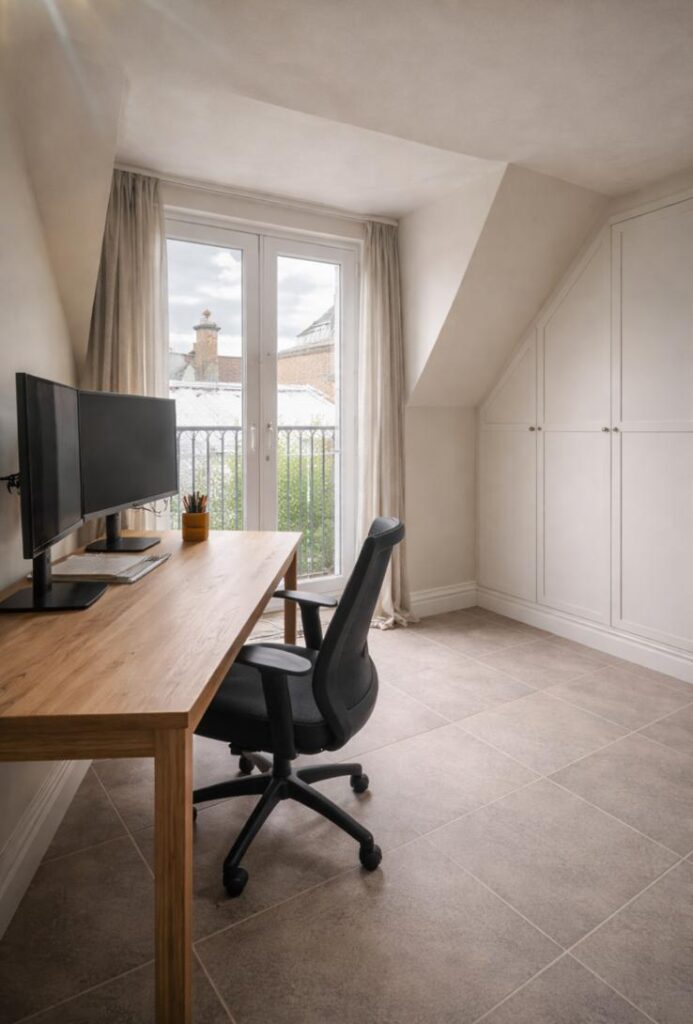
If you’re considering a mansard loft conversion in West London, you’re looking at the ultimate solution for maximising your property’s living space. A mansard loft conversion offers substantially more floor area than standard dormer designs, essentially adding an entire additional floor to your home. This comprehensive guide covers everything you need to know about mansard loft conversions across West London—from design options and costs to planning permission requirements and how mansard conversions transform properties. Whether you’re in Richmond, Ealing, or anywhere across the West London area, this article will help you understand how a mansard loft conversion can deliver the space your family needs.
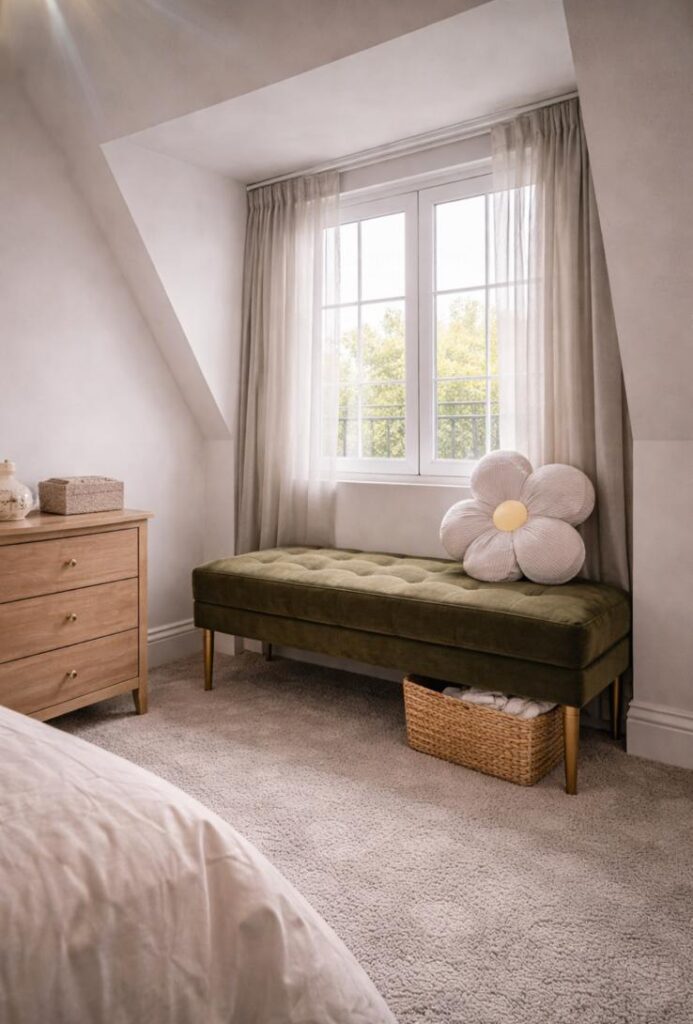
What Is a Mansard Loft Conversion?
Right, so a mansard loft conversion involves altering your entire roof structure to create near-vertical walls at roughly 70 degrees, which dramatically increases internal floor area and headroom. Unlike standard dormer conversions that extend from your existing roof slope, a mansard conversion replaces your roof entirely with a new structure that maximises every bit of available space. This makes mansard loft conversions absolutely ideal for West London properties where you need multiple rooms or substantial additional living space.
The mansard design features a flat roof or very shallow pitch at the top, with steeply angled walls that are almost vertical. This creates a proper additional floor rather than just converted attic space, giving you full ceiling height throughout most of the room. Mansard loft conversions are particularly popular for semi-detached and detached properties across West London where families need two bedrooms and a bathroom, or a complete master suite with en-suite and dressing area.
Double mansard loft conversions extend across the full width of your property on both the front and rear roof slopes, maximising space on terraced and semi-detached homes. Single mansard conversions typically extend from the rear only, which can simplify planning permission in conservation areas throughout Hammersmith & Fulham, Richmond, and Ealing. The choice between single and double mansard depends on your space requirements, planning constraints, and budget for your loft conversion project.
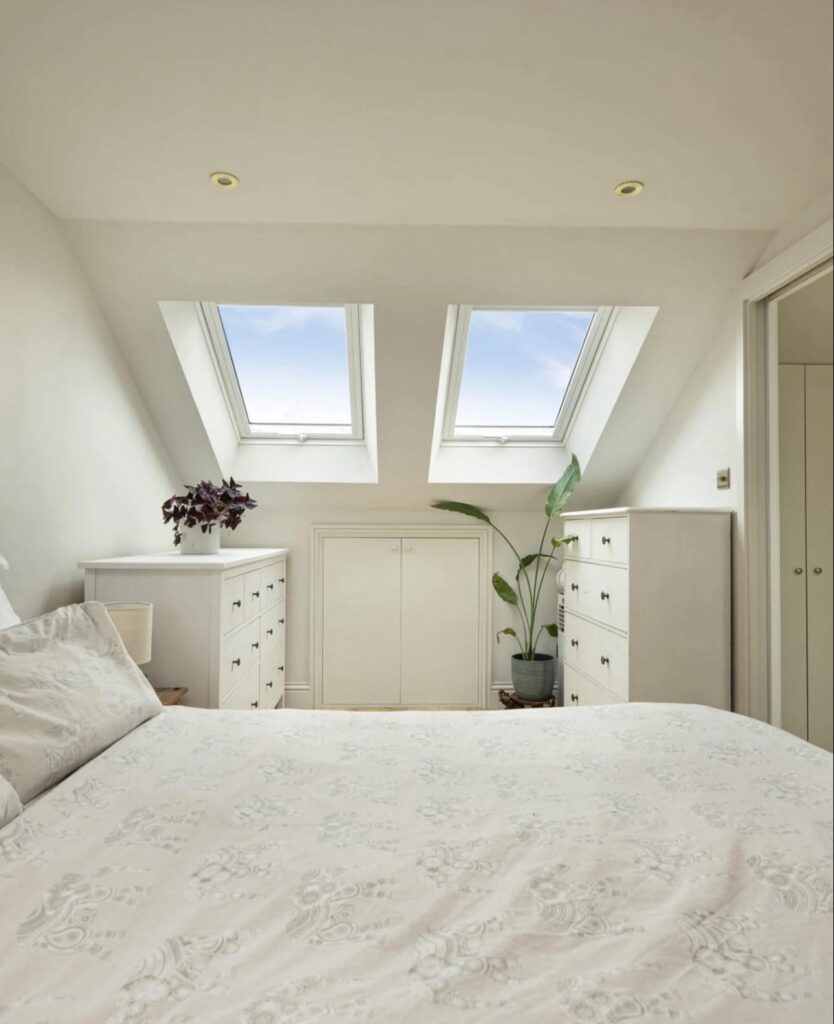
Why Choose a Mansard Loft Conversion for Your West London Home?
Mansard loft conversions offer the maximum possible living space from your property’s footprint. When you genuinely need multiple rooms—perhaps two bedrooms and a bathroom, or a master suite with en-suite, dressing area, and study—a mansard conversion delivers where standard dormers simply can’t. The near-vertical walls mean you get full ceiling height right to the edges of the room, eliminating the awkward sloped ceiling areas that limit usability in basic loft conversions.
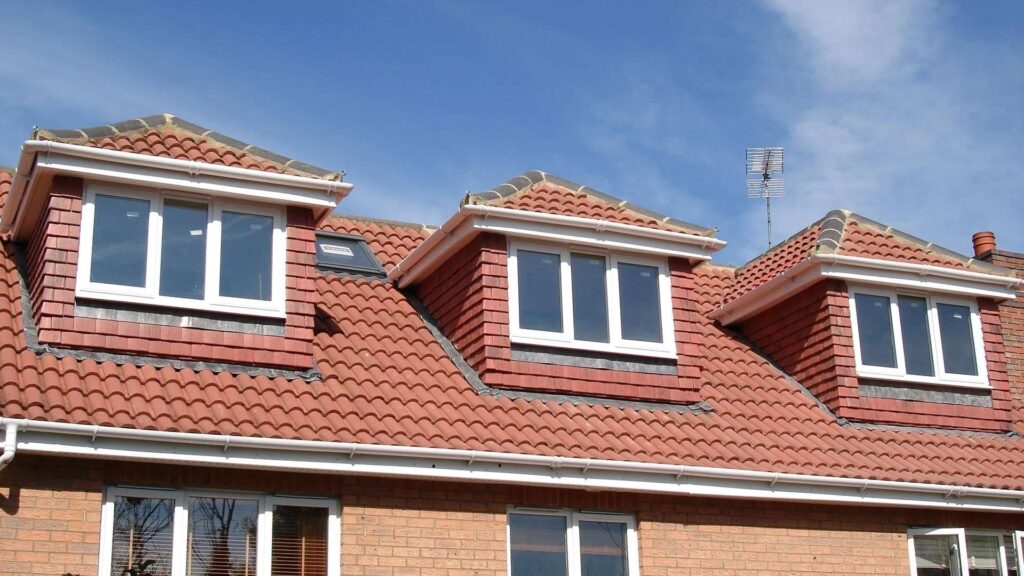
Dormer loft conversions offer the perfect balance of additional space, cost-effectiveness, and planning simplicity for West London properties. The vertical walls created by your dormer mean you get proper standing height throughout most of the room, unlike basic Velux conversions where you’re limited by the roof slope. This makes dormer loft conversions genuinely practical for bedrooms, home offices, and bathrooms.
Victorian and Edwardian properties throughout West London are particularly well-suited to mansard loft conversions. The substantial roof structures of these period homes can accommodate the significant alterations required for mansard conversions, and the mansard design actually complements the architectural character of Victorian and Edwardian properties. Homes around Richmond Park, near Kew Gardens, and throughout Chiswick regularly feature beautiful mansard conversions that respect period character whilst delivering modern, functional space.
The investment in a mansard loft conversion is higher than standard dormers, but the return is substantial. You’re essentially adding an entire additional floor to your property, transforming a three-bedroom house into a five-bedroom family home. For growing families in West London who love their location but need more space, a mansard conversion eliminates the need to move whilst providing all the additional rooms required. Properties near Ravenscourt Park, around Gunnersbury Park, and throughout Hammersmith & Fulham benefit enormously from well-designed mansard loft conversions.
How Much Does a Mansard Loft Conversion Cost in West London?
Understanding mansard loft conversion costs is obviously crucial when planning this significant home improvement project. The honest answer is that West London mansard conversions typically cost £60,000-£80,000+, depending on the size of your property, structural requirements, and the specification you’re after. Whilst this represents a substantial investment, a mansard loft conversion delivers exceptional value when you consider you’re adding an entire additional floor to your home.
A standard single mansard loft conversion (rear only) in West London typically costs £60,000-£70,000, offering excellent value when you’re creating two good-sized bedrooms or a master suite with en-suite bathroom. Double mansard loft conversions that extend across both front and rear roof slopes run from £70,000-£90,000+ due to the increased structural work and larger floor area created. These mansard loft conversion costs include everything from initial design and structural engineering through to planning applications, building regulations compliance, project management, and typically a 5-year insurance-backed guarantee.
When you consider what moving house costs in West London—stamp duty on a £750,000 property is £27,500, plus estate agent fees of £15,000-£20,000, removal costs, and all the hassle—a mansard loft conversion starts looking like exceptional value. Most quality mansard loft conversions add 18-25% to property values, so a £70,000 investment in a mansard for a £700,000 property could increase its value by £126,000-£175,000. That’s why mansard loft conversions make such smart financial sense for West London homeowners who need maximum space.
- Design, structural engineering, and planning: £5,000-£8,000
- Structural work and mansard construction: £30,000-£40,000
- Windows, insulation, and weatherproofing: £7,000-£10,000
- Electrics, plumbing, and heating: £6,000-£9,000
- Plastering, decoration, and finishing: £8,000-£12,000
- Building regulations and project management: £4,000-£6,000
Mansard Loft Conversion Planning Permission in West London
Planning permission is required for all mansard loft conversions because they involve significant external alterations to your property’s roof structure. Unlike rear dormer conversions that often fall under permitted development rights, mansard conversions always need formal planning applications. However, councils across West London are generally supportive of well-designed mansard conversions that respect local character and neighbouring properties.
The key to successful planning applications for mansard conversions is demonstrating that your design respects the character of your property and the surrounding area. Planning officers assess the visual impact on the street scene, the effect on neighbouring properties, and whether the mansard design is appropriate for the local architectural context. Properties in conservation areas throughout Hammersmith & Fulham, Richmond, Ealing, and Hounslow face additional scrutiny, but sympathetic mansard designs are regularly approved.
Hammersmith & Fulham supports mansard loft conversions that maintain the rhythm and character of Victorian and Edwardian terraces. The council has approved numerous mansard conversions near Ravenscourt Park and around Shepherd’s Bush where designs respect period architecture. Richmond upon Thames prioritises mansard designs that preserve conservation area character, with rear mansards typically more acceptable than full double mansards in sensitive locations near Kew Gardens and Richmond Park.
Ealing has clear guidance on mansard loft conversions, supporting designs that use appropriate materials and respect the scale of surrounding properties. Properties near Walpole Park and around Gunnersbury Park regularly receive planning approval for well-designed mansard conversions. Hounslow supports mansard loft conversions in Chiswick and Brentford that enhance properties whilst maintaining local architectural heritage, with numerous approvals for mansard conversions near Chiswick House.
Experienced mansard loft conversion specialists understand West London planning requirements intimately. They prepare comprehensive planning applications including detailed drawings, heritage statements where required, and supporting documentation that addresses planning officers’ concerns. Their established relationships with planning departments mean smoother, faster approvals for your mansard loft conversion. For properties in conservation areas or on locally listed buildings, specialist planning knowledge is absolutely essential for successful mansard conversion applications.
Mansard Loft Conversion Timeline: What to Expect
Understanding the timeline for your mansard loft conversion helps you plan effectively and know what to expect at each stage. Most mansard loft conversions take 10-14 weeks from start to finish, longer than standard dormers due to the extensive structural work involved in replacing your entire roof structure.
Week 1-2: Planning approval and preparation If planning permission is still pending, this phase covers final approval and discharge of any planning conditions. Once approved, scaffolding is installed around your entire property to provide safe access for the mansard construction team. Internal protection is installed throughout your home to contain dust and debris during the mansard conversion.
Week 3-5: Roof removal and structural work Your existing roof structure is carefully removed, with weatherproofing installed to protect your home throughout the mansard construction process. Steel beams are installed to support your new mansard structure, creating the framework for the near-vertical walls. This is the most dramatic phase where your property’s profile changes significantly as the mansard takes shape.
Week 6-8: Mansard construction and weatherproofing The mansard framework is constructed, creating the characteristic near-vertical walls and flat roof structure. External cladding or rendering is applied to the mansard walls, matching or complementing your existing property. The flat roof is installed with high-performance waterproofing systems. Windows are fitted throughout the mansard, flooding your new space with natural light.
Week 9-10: Insulation and first fix High-performance insulation is fitted throughout the mansard to ensure energy efficiency and comply with building regulations. First fix electrics and plumbing are completed, including wiring for lighting, sockets, heating, and any bathroom facilities in your mansard loft conversion. Internal stud walls are constructed if you’re creating multiple rooms within the mansard.
Week 11-12: Second fix and finishing Plasterboard is fitted and plastered throughout your mansard conversion. Internal access stairs are installed connecting your new mansard loft space to the floor below. Second fix electrics and plumbing are completed, including light fittings, sockets, radiators, and bathroom fixtures if applicable.
Week 13-14: Decoration and completion Decoration, flooring, and final finishing transforms your mansard into beautiful, functional living space. Building regulations inspection confirms everything meets required standards for your mansard loft conversion. Final snagging is completed, and your new mansard loft space is ready for use.
Throughout your mansard loft conversion, a dedicated project manager maintains communication, ensuring you always know what’s happening. Most homeowners remain in residence during the mansard construction, though the more extensive nature of the work means greater disruption than standard dormer conversions.
Best West London Properties for Mansard Loft Conversions
Mansard loft conversions suit specific property types across West London, particularly where maximum space is essential and the property can accommodate the significant structural alterations required. Understanding whether your property is suitable for a mansard conversion helps you make informed decisions about your loft conversion project.
Victorian and Edwardian terraces throughout West London are excellent candidates for mansard loft conversions. The substantial roof structures and generous proportions of these period properties can accommodate mansard conversions beautifully. Properties around Shepherd’s Bush, Acton, and Chiswick regularly feature stunning mansard conversions that add two bedrooms and a bathroom, transforming three-bedroom terraces into five-bedroom family homes.
Semi-detached properties across Ealing, Richmond, and Hounslow benefit enormously from mansard loft conversions. The larger footprint of semi-detached homes means mansard conversions create substantial additional space, often accommodating two double bedrooms, a family bathroom, and even a study area. Properties near Walpole Park, around Richmond Park, and throughout Ealing regularly feature mansard conversions that eliminate the need for families to move to larger properties.
Detached properties in premium West London locations near Kew Gardens and around Richmond Park are ideal for mansard loft conversions when maximum space is required. The larger roof area means mansard conversions can create multiple bedrooms, bathrooms, and additional living space. For families who love their location but need substantially more room, a mansard conversion delivers without the disruption and expense of moving.
Property characteristics favouring mansard conversions: Properties with substantial roof structures and good ceiling heights on existing floors are ideal for mansard conversions. Homes where you need multiple rooms rather than just one additional bedroom benefit most from the investment in a mansard. Properties in locations where moving would be prohibitively expensive or where you’re particularly attached to your neighbourhood justify the higher cost of mansard conversions compared to standard dormers.
Mansard vs Dormer: Choosing the Right Conversion for Your Property
Understanding the difference between mansard and dormer loft conversions helps you choose the right option for your West London property and your family’s needs. Both add valuable space, but they suit different requirements and budgets.
Mansard loft conversions involve replacing your entire roof structure to create near-vertical walls, maximising internal space. Mansards cost £60,000-£80,000+ and always require planning permission, but they deliver substantially more floor area than dormers. A mansard makes sense when you need multiple rooms—two bedrooms and a bathroom, or a complete master suite with en-suite, dressing area, and study. The construction takes 10-14 weeks due to the extensive structural work involved.
Dormer loft conversions extend from your existing roof slope, creating vertical walls and additional headroom without replacing your entire roof. Dormers are typically less expensive (£40,000-£55,000) and rear dormers often fall under permitted development rights, simplifying planning. A dormer works brilliantly when you need one good-sized bedroom, home office, or bathroom. The construction is relatively straightforward, and the 6-8 week timeline means less disruption.
For most West London families needing just one additional bedroom or home office, a rear dormer loft conversion offers excellent value and simpler planning. Properties around Chiswick, Acton, and throughout Hammersmith benefit from well-designed rear dormers. However, when you genuinely need multiple rooms and maximum space, a mansard conversion justifies the additional investment. Families in Richmond, Ealing, and premium West London locations who need two or more additional bedrooms should seriously consider mansard conversions.
Get a free quote
For a free site survey please fill out the form below and we’ll get back to you, or call our freephone number 020 3488 4287 if you have any questions.
Creating Multiple Rooms in Your Mansard Loft Conversion
One of the key advantages of mansard loft conversions is the ability to create multiple rooms within your new loft space. The substantial floor area and full ceiling height throughout the mansard means you can design a proper additional floor with two or even three separate rooms, rather than just one open space.
Two bedrooms and bathroom layout: This is the most popular configuration for mansard loft conversions in West London. Two double bedrooms are created at either end of the mansard, with a family bathroom positioned centrally. Each bedroom benefits from windows providing excellent natural light, and the full ceiling height means proper furniture placement without awkward sloped areas. This layout works brilliantly for growing families who need additional children’s bedrooms.
Master suite layout: Many West London homeowners use mansard conversions to create luxurious master suites. The mansard accommodates a large double bedroom, en-suite bathroom with separate shower and bath, and a dressing area or walk-in wardrobe. Some designs even include a small study area or sitting space within the mansard. This layout transforms your home’s functionality, creating a private retreat separate from children’s bedrooms below.
Flexible space layout: Some mansard loft conversions create one large bedroom with en-suite bathroom, plus a separate home office or study. This works particularly well for families where one or both parents work from home and need dedicated workspace separate from family areas. The mansard provides the space for both sleeping and working areas without compromise.
Properties near Ravenscourt Park, around Kew Gardens, and throughout Richmond regularly feature mansard loft conversions with multiple rooms that have genuinely transformed how families use their homes. The key is working with experienced designers who understand how to maximise the mansard space whilst ensuring each room feels properly proportioned and functional.
Case Studies: Mansard Loft Conversions in West London
Victorian Terrace in Ealing
A three-bedroom Victorian terrace near Walpole Park gained two bedrooms and a bathroom through a rear mansard loft conversion. The mansard added 35 square metres of floor space, creating two double children’s bedrooms and a family bathroom. The project took 12 weeks from planning approval to completion, with the family remaining in residence throughout. The mansard design used slate cladding that matched the existing roof, respecting the property’s Victorian character. Property value increased by approximately £155,000, well above the £68,000 investment in the mansard loft conversion.
Edwardian Semi in Richmond
A four-bedroom Edwardian semi-detached property near Richmond Park transformed its loft through a double mansard conversion. The mansard created 42 square metres of additional space, accommodating a luxurious master suite with bedroom, en-suite bathroom with separate shower and bath, and a large dressing area. The project took 13 weeks to complete, including full decoration and fitted wardrobes throughout the mansard. The mansard loft conversion eliminated the family’s need to move to a larger property, saving them over £100,000 in moving costs and stamp duty.
Period Property in Chiswick
A period terraced house near Chiswick House added two bedrooms through a rear mansard loft conversion. The mansard created 30 square metres of space, with two single bedrooms perfect for the family’s teenage children. Large mansard windows flooded both rooms with natural light, and the full ceiling height meant proper furniture placement. The mansard project completed in 11 weeks, with planning approval granted due to the sympathetic design that respected the conservation area character. The homeowners valued the additional space that allowed their children to have separate bedrooms.
FAQ: Mansard Loft Conversions West London
How much does a mansard loft conversion cost in West London?
Mansard loft conversions in West London typically cost £60,000-£80,000+, depending on size, specification, and structural requirements. Single mansard conversions (rear only) cost £60,000-£70,000, whilst double mansards extending across both front and rear cost £70,000-£90,000+. These costs include all design and build work, planning applications, building regulations compliance, and project management for your mansard loft conversion.
Do I need planning permission for a mansard loft conversion in West London?
Yes, all mansard loft conversions require planning permission because they involve significant external alterations to your roof structure. However, councils across West London generally support well-designed mansard conversions that respect local character. Experienced specialists prepare comprehensive planning applications that address planning officers’ concerns, ensuring approval for your mansard conversion.
How long does a mansard loft conversion take?
Most mansard loft conversions take 10-14 weeks from start to finish. The timeline includes all construction, finishing, and building regulations approval for your mansard loft conversion. Mansards take longer than standard dormers due to the extensive structural work involved in replacing your entire roof structure.
Will a mansard loft conversion add value to my West London property?
Yes, mansard loft conversions typically add 18-25% to property values in West London. A £70,000 investment in a mansard for a £700,000 property could increase its value by £126,000-£175,000, delivering excellent return on investment. Mansards add more value than standard dormers because they create substantially more living space.
Can I create multiple rooms in a mansard loft conversion?
Yes, the substantial floor area in mansard loft conversions means you can create multiple rooms. The most popular configuration is two bedrooms and a bathroom, though many homeowners create master suites with bedroom, en-suite, and dressing area. The full ceiling height throughout the mansard means each room feels properly proportioned.
What’s the difference between a mansard and dormer loft conversion?
Mansard loft conversions replace your entire roof structure to create near-vertical walls, maximising internal space. Dormers extend from your existing roof slope, creating additional headroom without replacing your entire roof. Mansards cost more (£60,000-£80,000+) but deliver substantially more floor area than dormers (£40,000-£55,000).
Do I need to move out during a mansard loft conversion?
Most homeowners remain in residence throughout their mansard loft conversion, though the extensive nature of the work means greater disruption than standard dormer conversions. Work is contained to the loft space with internal access created in the final stages, but the roof removal phase can be disruptive.
What’s the best mansard design for Victorian terraces in West London?
Rear mansard loft conversions are ideal for Victorian terraces throughout West London. They maximise living space whilst remaining less visible from the street, simplifying planning requirements in conservation areas. Traditional materials that match your existing property ensure the mansard respects your home’s period character.
Are mansard loft conversions suitable for conservation areas?
Yes, mansard loft conversions can be approved in conservation areas throughout West London provided the design respects local character. Rear mansards using traditional materials are typically more acceptable than full double mansards. Experienced specialists understand exactly what planning officers will accept in conservation areas.
How do I choose a mansard loft conversion specialist in West London?
Look for specialists exclusively focusing on loft conversions with extensive West London mansard experience, comprehensive planning application services, fixed-price packages, dedicated project managers, insurance-backed guarantees, and membership in professional bodies. Check case studies from similar mansard projects in your specific West London area and conservation area experience if relevant.
Related Loft Conversion Advices
Loft Conversion Contracts: What Should Be in Writing (West London)
If you are planning a loft conversion in West London, the contract is one of the most important parts of
Budgeting for a Loft Conversion in West London: A Practical Cost Breakdown
If you are thinking about a loft conversion in West London, budgeting is usually the first sticking point. Not because
How to Spot a Good Loft Conversion Company vs a Sales-Driven Firm (West London)
If you are researching loft conversion companies in West London, you will quickly notice something. Some firms feel calm, clear,
Cost vs Value: Is a Loft Conversion Worth It in West London?
If you are considering a loft conversion in West London, it is completely normal to ask the blunt question. Is