
Windows are one of the most important design elements in any loft conversion. They provide natural light, ventilation, views, and character transforming what could be a dark, enclosed space into a bright, airy room that’s a pleasure to use. After 25 years of building loft conversions across West London, we can tell you that window design and positioning makes an enormous difference to how your conversion looks and feels.
The right windows create bright, welcoming spaces with excellent natural light throughout the day. Poor window design leaves you with dark, stuffy rooms that feel like afterthoughts. Window choice also affects your property’s appearance from outside well-designed windows enhance your home’s character, whilst poorly chosen windows can detract from its appeal.
Working across Ealing, Hammersmith, Richmond, Fulham, and the surrounding areas, we’ve designed window solutions for hundreds of loft conversions in every type of property Victorian terraces, Edwardian semis, period homes in conservation areas, and modern properties. Let us walk you through everything you need to know about loft conversion windows types available, how to maximize natural light, building regulations requirements, planning considerations, and how to create a bright, comfortable space.
Why Windows Matter
Your loft sits directly under the roof, which means windows are positioned differently than in lower-floor rooms. Instead of vertical windows in walls, loft windows are often in the roof slope itself (roof windows) or in new structures like dormers (dormer windows).
Proper window design ensures adequate natural light (building regulations require minimum light levels), effective ventilation (essential for air quality and preventing condensation), pleasant views and connection to outside, and comfortable temperature control (preventing overheating in summer).
Windows also significantly affect your property’s external appearance. In conservation areas or on period properties, window design must respect the property’s character and often requires planning permission.
Types of Loft Conversion Windows
Several window types are used in loft conversions, each with different characteristics.
Roof Windows (Velux Style)
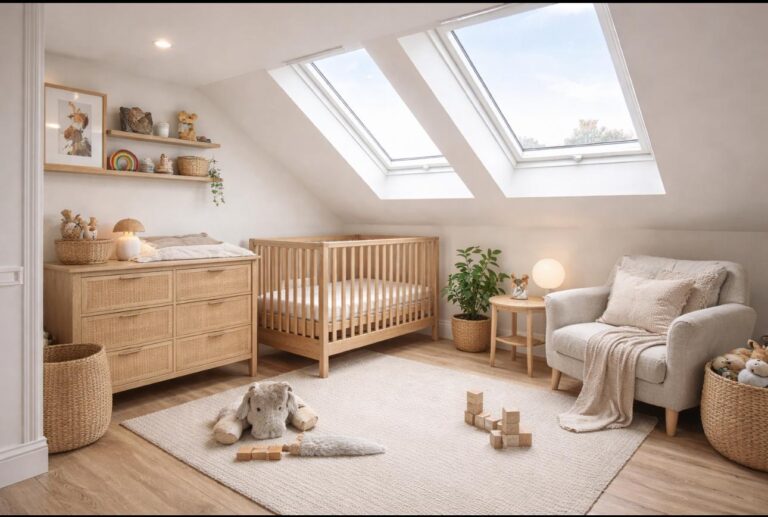
Roof windows are installed in the roof slope itself, sitting flush with the roofline. Velux is the best known brand, though other manufacturers (Fakro, Keylite, Rooflite) produce similar products.
Advantages:
Excellent natural light (light from above is brighter than light from vertical windows) No change to external roofline (often don’t require planning permission) Relatively cost effective Available in many sizes Good ventilation when opened Views of sky create sense of space
Considerations:
Limited head height directly under the window (because they’re in the sloping roof) Can cause glare and overheating if poorly positioned (particularly south facing) Less useful for views of surroundings (you see mostly sky) Furniture placement can be restricted near windows
Roof windows are ideal for Velux conversions (where the roofline remains unchanged) and as additional light sources in dormer conversions.
Dormer Windows
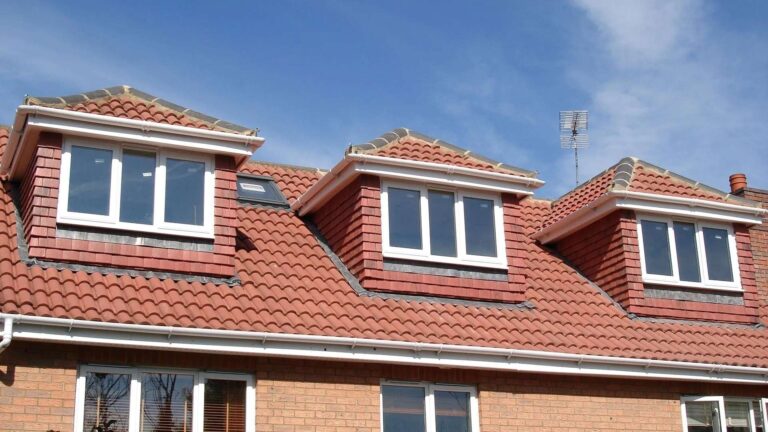
Dormer windows are vertical windows installed in dormers (box like structures projecting from the roof slope). They’re the most common window type in dormer conversions.
Advantages:
Full head height at the window (because they’re vertical, not in the slope) Better views of surroundings Easier furniture placement (you can place furniture against walls below windows) More traditional appearance Better ventilation control
Considerations:
Require building a dormer (more expensive than roof windows) Change the roofline (often require planning permission) Provide less light than equivalent sized roof windows (because light comes horizontally, not from above)
Dormer windows are standard in dormer, mansard, and hip to gable conversions.
Gable Windows
Gable windows are vertical windows installed in gable walls (the triangular walls at the ends of the roof). They’re common in hip to gable conversions where the hipped roof is replaced with a gable wall.
Advantages:
Large windows possible (because gable walls provide substantial vertical space) Excellent light and views Full head height Traditional appearance
Considerations:
Only possible at gable ends (not on front or rear slopes) Require building or modifying gable walls Often require planning permission
Gable windows work brilliantly in hip to gable conversions, providing substantial light and creating attractive features.
Juliet Balconies
Juliet balconies are full height glazed doors with a safety railing outside but no actual balcony platform. They create a dramatic feature and flood the space with light.
Advantages:
Maximum light (full height glazing) Sense of space and connection to outside Attractive feature Good ventilation when opened
Considerations:
Expensive (£2,000 £4,000 including doors and railing) Require planning permission in most cases Need adequate space in front (not suitable where furniture must be placed against the wall) Can cause overheating if south facing without shading
Juliet balconies work well in master bedroom suites or living spaces where you want a dramatic feature.
Conservation Rooflights
Conservation rooflights are roof windows designed for properties in conservation areas or listed buildings. They sit flush with the roof and have slimmer frames than standard roof windows, creating a more discreet appearance.
Advantages:
Acceptable in conservation areas where standard roof windows aren’t Discreet appearance respects period properties Excellent light
Considerations:
More expensive than standard roof windows Fewer size options May still require planning permission in conservation areas
Conservation rooflights are essential for period properties in conservation areas where planning authorities require discreet window solutions.
Maximizing Natural Light
Loft conversions can be incredibly bright if windows are well designed, or disappointingly dark if windows are inadequate.
Building Regulations Requirements
Building regulations Part F (Ventilation) requires that habitable rooms have window area equivalent to at least 1/20th of the floor area. For example, a 20 square metre room requires at least 1 square metre of glazing.
This is a minimum more glazing typically creates more pleasant spaces.
Window Positioning
Positioning windows to capture light throughout the day creates bright, comfortable spaces.
South facing windows receive strong sunlight throughout the day. They provide excellent light but can cause overheating in summer. Use blinds or shading to control heat and glare.
North facing windows provide consistent, even light without direct sun. They’re ideal for home offices or studios where consistent light is important.
East facing windows receive morning sun, creating bright, cheerful spaces in the morning.
West facing windows receive afternoon and evening sun, providing warmth and light later in the day.
Using windows on multiple sides (for example, roof windows plus dormer windows, or windows on front and rear slopes) creates bright spaces with light from different directions throughout the day.
Multiple Windows
Multiple windows create brighter spaces than single large windows of equivalent total area because light enters from different angles.
For example, three roof windows distributed across the roof slope create more even light than one large roof window in the centre.
We typically recommend at least two windows for bedroom sized spaces and three or more for larger conversions.
Window Size
Larger windows provide more light, but there’s a balance between light, cost, structural considerations, and external appearance.
Standard roof window sizes range from 550mm × 780mm (small) to 1,340mm × 1,400mm (very large). Common sizes for bedrooms are 780mm × 1,180mm or 940mm × 1,600mm.
Dormer windows are typically 600 1,200mm wide and 1,200 1,500mm high, though sizes vary depending on dormer design.
Light Wells and Roof Slopes
The angle of your roof slope affects how much light enters. Steeper roofs allow more vertical glazing (in dormers or gables), whilst shallower roofs rely more on roof windows.
Light wells (the reveals around windows) can be splayed (angled outward) to allow more light to enter and create a sense of space.
Ventilation
Windows must provide adequate ventilation for air quality and to prevent condensation.
Building Regulations Requirements
Building regulations Part F requires:
Background ventilation: Continuous ventilation providing minimum airflow (typically achieved with trickle vents in windows)
Purge ventilation: Openable windows providing rapid ventilation when needed (window opening area must be at least 1/20th of floor area)
Extract ventilation: Mechanical extract fans in bathrooms (15 litres per second minimum)
Trickle Vents
Trickle vents are small openings in window frames providing continuous background ventilation. Modern windows include trickle vents as standard.
Trickle vents should generally be left open to provide continuous ventilation, preventing condensation and maintaining air quality.
Openable Windows
At least some windows must be openable to provide purge ventilation. Roof windows typically open outward (top hung) or pivot around a central axis. Dormer windows open like standard casement windows.
Ensure openable windows are easily accessible roof windows high up on steep slopes can be difficult to reach.
Bathroom Ventilation
Bathrooms require mechanical extract ventilation (fans) in addition to windows. The fan must provide 15 litres per second airflow and run for at least 15 minutes after the bathroom is vacated.
Extract fans must vent to outside, not into the roof space.
Thermal Performance and Energy Efficiency
Windows significantly affect your loft conversion’s thermal performance.
U Values
Building regulations require windows to have a U value of 1.4 W/m²K or better. Modern double glazed windows easily meet this requirement.
Triple glazing (U value around 0.8 W/m²K) provides better thermal performance but costs more. It’s worth considering for large windows or windows in exposed positions.
Overheating Prevention
Large south facing windows can cause overheating in summer, making the space uncomfortably hot.
Solutions include external shading (blinds or shutters outside the window most effective), internal blinds (less effective than external shading but more practical), roof window blinds (many roof window manufacturers offer integrated blinds), and ventilation (opening windows to allow hot air to escape).
Consider overheating during design it’s easier to prevent than to fix afterward.
Low E Glazing
Low emissivity (Low E) glazing has a special coating that reflects heat back into the room in winter whilst allowing light through. It’s standard in modern windows and improves thermal performance.
Planning Permission Considerations
Window design often affects whether you need planning permission.
Permitted Development
Under permitted development rights, roof windows on rear slopes often don’t require planning permission if they don’t project more than 150mm beyond the roofline and materials match the existing roof.
Roof windows on front slopes, side slopes facing roads, or in conservation areas typically require planning permission.
Dormers, gable windows, and Juliet balconies usually require planning permission unless they’re on rear slopes and meet specific size and design criteria.
Conservation Areas
Properties in conservation areas have stricter planning requirements. Even roof windows that would normally be permitted development often require planning permission in conservation areas.
Planning authorities typically require conservation rooflights (discreet, flush fitting windows) rather than standard roof windows on visible slopes.
We assess planning requirements during our initial survey and advise whether your preferred window design requires permission.
Design Considerations for Planning
When planning permission is required, planning authorities consider the window design’s impact on the property’s character, visibility from the street, impact on neighbouring properties (overlooking), and consistency with the surrounding area.
Well designed windows that respect the property’s character and minimize impact on neighbours are more likely to receive planning approval.
Window Materials and Finishes
Windows are available in different materials and finishes.
uPVC Windows
uPVC (plastic) windows are the most common choice for loft conversions.
Advantages:
Cost effective Low maintenance Good thermal performance Available in many sizes and styles Durable
Considerations:
Less traditional appearance than timber Limited colour options (typically white, though wood effect finishes available)
uPVC windows suit modern properties and are acceptable in most situations.
Timber Windows
Timber windows have a traditional appearance and suit period properties.
Advantages:
Authentic appearance for period properties Can be painted any colour Repairable (unlike uPVC)
Considerations:
More expensive than uPVC Require maintenance (painting/staining every few years) Can warp or rot if poorly maintained
Timber windows are often required in conservation areas or on listed buildings.
Aluminium Windows
Aluminium windows have slim frames and a contemporary appearance.
Advantages:
Very slim frames (maximize glazed area) Strong (can support large panes) Low maintenance Modern appearance
Considerations:
More expensive than uPVC Less traditional appearance (not suitable for period properties)
Aluminium windows suit contemporary conversions or where slim frames are desired.
Colours and Finishes
Windows can be finished in various colours. White is most common and cost effective. Grey, black, and wood effect finishes are popular for contemporary properties. Traditional colours (green, cream) suit period properties.
In conservation areas, planning authorities often specify window colours to match existing windows or suit the property’s character.
Window Costs
Window costs vary depending on type, size, and specification:
Standard roof window (780mm × 1,180mm): £400 £700 including installation
Large roof window (940mm × 1,600mm): £700 £1,200 including installation
Conservation rooflight: £800 £1,400 including installation
Dormer window (standard size): £500 £900 including installation
Gable window (large): £1,000 £2,000 including installation
Juliet balcony with doors: £2,000 £4,000 including installation
These costs are included in our fixed price quotes at Loft Conversion West London.
Total window costs for a typical loft conversion are £2,000 £5,000 depending on the number and type of windows.
Common Window Mistakes
Understanding common mistakes helps you avoid problems:
Insufficient Windows
Using too few or too small windows creates dark, unwelcoming spaces and can fail building regulations. Solution: Use adequate glazing (at least 1/20th of floor area, preferably more) distributed to provide even light.
Poor Positioning
Windows positioned where they cause glare, overlook neighbours, or don’t provide useful light waste money and create problems. Solution: Consider sun path, views, privacy, and furniture placement when positioning windows.
No Overheating Prevention
Large south facing windows without shading cause uncomfortable overheating in summer. Solution: Plan shading (blinds or external shutters) for south facing windows during design.
Wrong Window Type for Planning
Using standard roof windows in conservation areas where planning permission requires conservation rooflights causes planning problems. Solution: Check planning requirements before specifying windows. We advise on planning requirements during design.
Inadequate Ventilation
Windows without trickle vents or insufficient openable area fail building regulations and cause condensation. Solution: Ensure all windows have trickle vents and total openable area meets requirements (1/20th of floor area minimum).
Building Control Inspection
Building control inspects windows to ensure they meet requirements.
What Building Control Checks
Total glazed area meets minimum requirements (1/20th of floor area) Windows have adequate U values (1.4 W/m²K or better) Trickle vents provide adequate background ventilation Openable area provides adequate purge ventilation Windows are properly installed and weatherproof Safety glazing is used where required (low level glazing)
Windows are inspected after installation. If they don’t meet requirements, building control will require corrections before issuing your completion certificate.
Design Process
Our window design process ensures optimal light, ventilation, and compliance:
Initial Assessment
We assess your property’s orientation (which way slopes face), roof pitch and structure, planning constraints (conservation areas, visible slopes), and your preferences (views, light, privacy).
Design Proposal
We propose window positions, types, and sizes that maximize light, provide adequate ventilation, respect your property’s character, and meet building regulations and planning requirements.
Planning Application
If planning permission is required, we prepare drawings and submit the application, including window specifications and how they respect the property’s character.
Installation
During construction, we install windows exactly as designed and approved, ensuring proper weatherproofing, thermal performance, and compliance with building regulations.
This process ensures your loft conversion has excellent natural light whilst respecting your property and meeting all requirements.
Frequently Asked Questions
What type of windows are best for loft conversions?
It depends on your conversion type and priorities. Roof windows (Velux style) provide excellent light, don’t change the roofline, and are cost effective ideal for Velux conversions or as additional light sources. Dormer windows provide full head height, better views, and easier furniture placement standard in dormer conversions. Gable windows provide substantial light and work brilliantly in hip to gable conversions. For maximum light and a dramatic feature, Juliet balconies are excellent. We recommend combinations for example, dormer windows plus roof windows to maximize light from different angles.
How many windows do we need in our loft conversion?
Building regulations require glazing equivalent to at least 1/20th of floor area, but we recommend more for bright, pleasant spaces. For a typical bedroom sized conversion (15 20 square metres), we recommend at least two windows for example, two roof windows or a dormer window plus a roof window. Larger conversions benefit from three or more windows distributed to provide even light throughout the day. Multiple smaller windows often create better light distribution than one large window because light enters from different angles.
Do loft conversion windows require planning permission?
It depends on the window type and position. Roof windows on rear slopes often don’t require planning permission under permitted development rights if they don’t project more than 150mm beyond the roofline and materials match the existing roof. However, roof windows on front slopes, side slopes facing roads, or in conservation areas typically require planning permission. Dormers, gable windows, and Juliet balconies usually require planning permission unless they’re on rear slopes and meet specific criteria. We assess planning requirements during our survey and advise whether permission is needed.
Will our loft conversion be bright enough?
Yes, if properly designed. Loft conversions can be incredibly bright often brighter than ground floor rooms because roof windows provide light from above, which is more effective than light from vertical windows. The key is using adequate glazing (we recommend exceeding the minimum 1/20th of floor area), positioning windows to capture light throughout the day, and using multiple windows to provide light from different angles. Most clients are surprised by how bright their loft conversions are. We design window layouts specifically to maximize natural light.
How do we prevent our loft conversion overheating in summer?
Large south facing windows can cause overheating. Solutions include installing blinds (roof window manufacturers offer integrated blinds that fit between the glass and frame very effective), using external shading (shutters or awnings most effective but more expensive), ensuring adequate ventilation (opening windows to allow hot air to escape), and considering window position during design (avoiding excessive south facing glazing). We recommend planning overheating prevention during design rather than trying to fix it afterward. North facing windows provide excellent light without overheating issues.
What’s the difference between standard roof windows and conservation rooflights?
Conservation rooflights are designed for properties in conservation areas or listed buildings. They sit flush with the roof and have slimmer frames than standard roof windows, creating a more discreet appearance that respects period properties. Standard roof windows (like Velux) are slightly raised above the roofline and have more visible frames. Conservation rooflights cost more (£800 £1,400 vs £400 £700 for standard roof windows) but are often required by planning authorities in conservation areas. We advise which type is appropriate for your property during our survey.
Can we have opening windows in our loft conversion?
Yes, and building regulations require it. At least some windows must be openable to provide purge ventilation (rapid ventilation when needed). The total openable area must be at least 1/20th of floor area. Roof windows typically open outward (top hung) or pivot around a central axis. Dormer windows open like standard casement windows. All windows must also have trickle vents providing continuous background ventilation. We ensure all window specifications meet ventilation requirements whilst providing the opening styles you prefer.
How much do loft conversion windows cost?
Window costs are £2,000-£5,000 for a typical loft conversion, depending on number and type. Individual costs: standard roof windows £400-£700, large roof windows £700-£1,200, conservation rooflights £800-£1,400, dormer windows £500-£900, large gable windows £1,000-£2,000, and Juliet balconies £2,000-£4,000. These costs include supply and installation and are part of our fixed-price quotes at Loft Conversion West London. Windows represent roughly 5-10% of total conversion costs. Quality windows are essential for light, ventilation, and thermal performance they’re not an area to economize.
What window materials should I choose?
uPVC windows are most common cost-effective, low maintenance, good performance, and suitable for most properties. Timber windows suit period properties and are often required in conservation areas they’re more expensive and require maintenance but provide authentic appearance. Aluminium windows have slim frames and contemporary appearance ideal for modern conversions but more expensive. For most West London properties, uPVC windows in white or grey provide excellent performance and appearance at reasonable cost. In conservation areas, we advise on materials acceptable to planning authorities.