
If you’ve got a detached or semi-detached house in West London and you want to create the absolute maximum usable space from your loft, an L-shaped conversion is what you’re looking for. This is the premium option that combines multiple conversion types, typically a hip to gable on one side and a dormer that wraps around the rear and side of your property, creating an L-shaped footprint that maximises every bit of available space.
We’ve been building L-shaped conversions across Ealing, Hounslow, Richmond, and Hillingdon for over 25 years, and they’re particularly popular on larger detached and semi-detached properties where clients want to create substantial master suites or even two bedrooms with ensuites. An L-shaped conversion can add 25–35 square metres of usable floor space, enough for a genuinely luxurious master suite with ensuite, walk-in wardrobe, and separate dressing or seating area.
Let me walk you through everything you need to know about L-shaped loft conversions, what they are, what they cost, whether one would work for your property, and how to get the best results.
What Is an L-Shaped Loft Conversion?
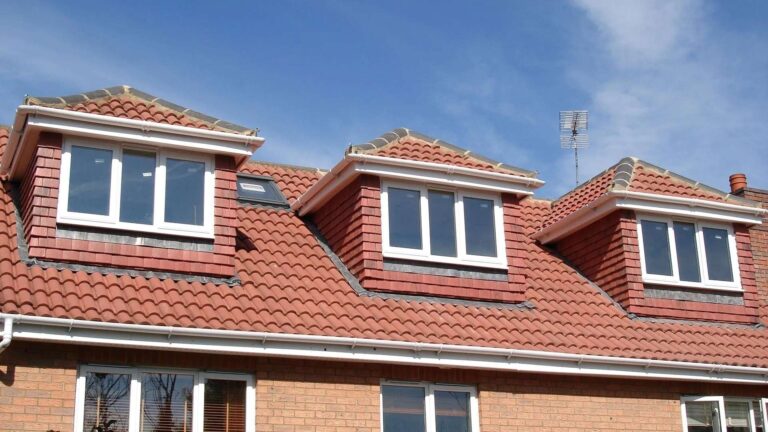
An L-shaped conversion combines a hip to gable conversion on one side with a dormer that extends across the rear and wraps around the side of your property. When viewed from above, the converted space forms an L shape, hence the name. The typical configuration on a semi-detached property involves removing the hipped side that doesn’t adjoin your neighbour and replacing it with a vertical gable wall, then building a flat roof dormer across the entire rear of the property that also wraps around the side where you’ve built the gable wall.
This creates a massive amount of usable space because we’ve got vertical walls on two sides (the gable and the side dormer) and across the rear (the rear dormer), with only one remaining sloping section (the hip that adjoins your neighbour on a semi-detached property, or the front roof slope on a detached property). On detached properties, we can go even further and create L-shaped dormers on both sides, though this is less common because of the cost and the impact on the property’s external appearance.
The result is a loft space that feels like a proper floor of the house rather than a converted loft. We’ve got room for a substantial master suite with all the features you’d expect in a luxury bedroom: ensuite bathroom, walk-in wardrobe, dressing area, and still plenty of space for a king-size bed and furniture.
Why L-Shaped Conversions Work Well in West London
West London has plenty of detached and semi-detached properties with generous roof spaces, particularly in areas like Ealing, Northolt, Ruislip, Uxbridge, Greenford, Hanwell, Hounslow, and parts of Richmond. These properties are perfect candidates for L-shaped conversions.
The property values in West London justify the investment. L-shaped conversions cost £60,000–75,000, which is substantial, but when you’re looking at properties worth £700,000–1,000,000+, and the conversion can add £140,000–250,000 in value, the investment makes perfect sense.
The space you gain is phenomenal. An L-shaped conversion typically provides 40–50% more usable floor space than a standard dormer conversion. This means you can create a master suite that rivals those in new build luxury homes, or you can create two good-sized bedrooms, each with their own ensuite. Planning permission for L-shaped conversions is generally achievable in West London, particularly on detached properties or semi-detached properties where the side extension doesn’t face the street. The key is good design that’s proportionate to your property and doesn’t dominate the building.
L-Shaped vs Other Conversion Types
Understanding how L-shaped conversions compare to other types helps you decide whether the extra investment is worthwhile.
L-Shaped vs Standard Dormer
A standard dormer extends across the rear of your property but leaves the hipped sides in place. You gain usable space from the dormer, but the sloping hips still eat into your floor area on both sides.
An L-shaped conversion removes one hip entirely and extends the dormer around that side as well. This creates 40–50% more usable floor area than a standard dormer, a massive difference.
The cost difference is £10,000–15,000 more for an L-shaped conversion. Given the substantial increase in space, most clients with detached or suitable semi-detached properties find this extra investment worthwhile.
L-Shaped vs Hip to Gable
A hip to gable conversion removes the hip and builds a gable wall but typically includes only a rear dormer, not a side dormer.
An L-shaped conversion goes further by wrapping the dormer around the side as well as across the rear. This creates additional space on the side of the property, which is particularly useful for ensuites, walk-in wardrobes, or dressing areas.
The cost difference is £5,000–10,000 more for an L-shaped conversion compared to a standard hip to gable. The extra space is substantial enough that most clients doing hip to gable conversions on detached properties opt for the L-shaped configuration.
L-Shaped vs Mansard
Mansard conversions create maximum space by rebuilding the entire roof with near vertical walls. L-shaped conversions create slightly less space but are often more acceptable to planning authorities because they don’t alter the front roof slope.
Mansard conversions cost £55,000–70,000, similar to or slightly less than L-shaped conversions (£60,000–75,000). The choice often comes down to planning considerations: mansards always need planning permission and face more scrutiny, while L-shaped conversions on suitable properties may fall within permitted development or face less planning resistance.
Planning Permission for L-Shaped Conversions
Permitted Development
Some L-shaped conversions fall within permitted development rights, meaning you don’t need planning permission. The key criteria are that the volume of space added doesn’t exceed 50 cubic metres (for detached and semi-detached houses), the highest point of the conversion is no higher than the highest point of your existing roof, materials are similar in appearance to your existing property, the side dormer doesn’t face a highway (it’s on the side or rear), and you’re not in a conservation area or other designated area. If your conversion meets these criteria, you can proceed under permitted development, though we’ll still need building regulations approval.
When Planning Permission Is Required
Planning permission is required if you exceed the 50 cubic metre limit (which is possible on larger L-shaped conversions), you’re in a conservation area or other designated area, your property is listed, the side dormer faces a highway, or you’re proposing to go higher than your existing roof ridge. Even when planning permission is required, L-shaped conversions are generally achievable in West London with good design. The key is ensuring the conversion is proportionate to your property and doesn’t dominate the building’s appearance.
Planning Considerations
Planning authorities assess L-shaped conversions on design quality and proportions, impact on neighbours (overlooking, loss of light), materials and appearance, and whether the conversion preserves the character of the area. The side dormer is often the most scrutinised element because it’s more visible than a rear dormer. Setting the side dormer back from the front of your property, using high-quality materials that match your existing property, and ensuring good proportions all improve your planning chances. On detached properties, planning authorities are generally more relaxed because the side dormer doesn’t directly affect neighbours. On semi-detached properties, the side dormer is on the gable end that doesn’t adjoin your neighbour, so impact is limited.
Party Wall Agreements
If you’re doing an L-shaped conversion on a semi-detached property, you’ll need a party wall agreement with your neighbour because the work affects the party wall between your properties. This is a legal requirement under the Party Wall Act. You must serve notice on your neighbour at least two months before work begins, and if they dissent (or don’t respond), you’ll need to appoint a party wall surveyor to prepare an award. Party wall agreements typically cost £700–1,500 and take 2–3 months to complete. We advise on the party wall process and can recommend experienced party wall surveyors.
The Construction Process
L-shaped conversions involve extensive structural work because you’re removing a significant section of roof and building substantial new structures.
Timeline
Construction typically takes 14–18 weeks for an L-shaped conversion. This is longer than a standard dormer (10–14 weeks) or even a hip to gable (12–16 weeks) because of the additional work involved in building the side dormer. Including design, planning (if required), party wall agreements, and building regulations approval, the total timeline is 6–8 months from initial consultation to completion.
What’s Involved
We start by erecting scaffolding around the side and rear of your property. This provides safe access for the extensive roof work and stays up for the duration of the project.The existing hipped section of roof is carefully removed. This is precision work: we remove only the section that needs to be replaced while keeping the rest of your roof intact and weatherproof. A new gable wall is built where the hip used to be. This is typically a timber frame wall that’s clad to match your existing property. The wall must be perfectly vertical and properly tied into your existing structure.
Steel beams are installed to support the new roof structure. L-shaped conversions typically require substantial steelwork because you’re creating a large open space without internal supporting walls. Multiple steel beams may be needed to support the gable wall, the rear dormer, and the side dormer. The rear dormer is built, extending across the entire back of the property. This is constructed with a timber frame, clad to match your property, and fitted with windows. The side dormer is built, wrapping around from the rear along the side where you’ve built the gable wall. This creates the L-shaped footprint and provides the additional space that makes L-shaped conversions so effective.
Floor joists are installed or strengthened throughout to create a solid floor that meets building regulations load requirements. The floor area is substantial in an L-shaped conversion, so proper floor support is crucial. The staircase is installed, connecting your new loft space to the floor below. Finding space for the staircase is often one of the biggest challenges, and we work carefully to minimise the impact on your first-floor rooms. Internal work includes insulation throughout (roof, floor, walls), electrical wiring for lights, sockets, and heating, plumbing for ensuite bathroom (almost always included in L-shaped conversions), plasterboarding and plastering, and all finishing work (decoration, flooring, doors, fixtures). Building control inspects at key stages and issues your completion certificate once everything is complete and compliant.
Cost of L-Shaped Loft Conversions in West London
L-shaped conversions are among the most expensive types of loft conversion, typically costing £60,000–75,000 in West London, sometimes more for larger properties or premium finishes.
Basic L-Shaped Conversion: £60,000–65,000
This includes removing the hipped section and building the new gable wall, rear dormer construction across the full width, side dormer construction wrapping around from the rear, substantial steelwork to support all new structures, new floor joists and flooring throughout, full insulation to building regulations standards, new staircase, electrical work (lighting, sockets, heating), plastering and decorating, and standard flooring throughout. This creates a large, luxurious loft space suitable for a master suite or two bedrooms.
L-Shaped with Ensuite: £65,000–75,000
Almost all L-shaped conversions include an ensuite bathroom because the space allows for it and clients investing this much want a proper master suite. An ensuite adds £8,000–12,000 depending on fittings quality, including all plumbing work, bathroom suite, tiling, and fixtures. Many clients also include a walk-in wardrobe or dressing area, which can add another £3,000–5,000 for custom joinery.
Premium L-Shaped Conversion: £70,000–85,000+
High-end finishes and features push costs higher. This might include underfloor heating throughout, luxury bathroom fixtures and fittings (rainfall showers, freestanding baths, designer taps), hardwood flooring throughout, extensive custom joinery (walk-in wardrobes, dressing areas, built-in storage), designer lighting and electrical fixtures, high specification windows and doors, and premium roofing materials.
What Affects the Cost
Property size is a major factor. Larger properties have bigger roof sections to remove and rebuild, and the dormers are larger, which increases material and labour costs significantly. The extent of steelwork required varies. L-shaped conversions typically need multiple substantial steel beams, and the size and number affect cost significantly. The complexity of the layout affects cost. If you’re creating two bedrooms with two ensuites, costs are higher than a single master suite with one ensuite. Staircase location and design affect cost. A straightforward staircase above your existing stairs is most cost effective. Complex locations or space saver staircases increase costs. Party wall agreements add £700–1,500 to the total cost. Planning permission (if required) adds application fees (£206) plus architectural drawings (£2,500–4,000 for L-shaped conversions, which require detailed drawings). At Loft Conversion West London, we provide fixed price quotes that include all these elements, so you know exactly what you’re paying.
Design Considerations for L-Shaped Conversions
Good design is crucial for L-shaped conversions because you’re making significant changes to your property’s external appearance and creating a large internal space that needs careful planning.
External Appearance
The gable wall, rear dormer, and side dormer must all be proportionate and well designed. Poor proportions or mismatched materials make the conversion look like an afterthought rather than an integrated part of your property. We typically clad the gable wall with render, brick, or tile hanging to match your existing walls. The dormers are usually clad with tile hanging, render, or weatherboarding that complements your property’s style. Window design and placement are crucial. Windows should be evenly spaced and proportionate, providing good light without creating a cluttered appearance. We typically use multiple smaller windows rather than large expanses of glass, which looks more elegant and provides better ventilation options. The side dormer should be set back from the front of your property so it’s not immediately visible from the street. This improves the appearance and helps with planning permission.
Internal Layout
The generous space in an L-shaped conversion allows for flexible, luxurious layouts. The most popular option is a master bedroom suite with ensuite bathroom in one section (typically the side dormer area), walk-in wardrobe or dressing area in another section, and the main bedroom area with king-size bed and furniture in the central space. The L-shaped footprint naturally creates distinct zones within the space. The side dormer area is perfect for an ensuite bathroom because it’s separate from the main bedroom but easily accessible. The rear dormer area provides space for wardrobes, dressing tables, or seating areas. Alternatively, you could create two bedrooms, each with their own ensuite. The L-shaped layout allows you to position the bedrooms in different sections, providing good separation and privacy. Some clients create a bedroom plus a separate home office or study in the side dormer area. This works well if you need dedicated workspace that’s separate from your bedroom.
Ensuite Bathroom Design
Almost all L-shaped conversions include an ensuite bathroom, and the generous space allows for luxury features. You’ve got room for a walk-in shower, separate bath, double vanity, and proper storage. Position the ensuite in the side dormer area or at one end of the rear dormer. This creates a natural separation between the bathroom and bedroom while keeping everything easily accessible. Ensure good ventilation in the ensuite. Extractor fans are essential, and a window provides natural ventilation and light.
Storage Solutions
The remaining sloping sections (the hip adjoining your neighbour on a semi-detached property, or the front roof slope on a detached property) are perfect for built-in storage. Wardrobes, drawers, and shelving fitted into these eaves areas provide loads of storage while keeping the main room space clear. Walk-in wardrobes are popular in L-shaped conversions. The side dormer area or one end of the rear dormer can be fitted out as a walk-in wardrobe with hanging rails, shelving, and drawers, a luxury feature that adds significant value.
Natural Light
L-shaped conversions have excellent natural light because we’ve got windows on three sides: the gable wall, the rear dormer, and the side dormer. This creates a bright, airy space with light coming from multiple directions throughout the day. Consider adding Velux windows in any remaining roof sections to bring in even more light from above.
Living with an L-Shaped Loft Conversion
Space and Luxury
L-shaped conversions create genuinely luxurious spaces that rival master suites in new build luxury homes. The generous floor area, multiple zones, and full height walls throughout most of the space create a room that feels spacious, comfortable, and high-end. You can position furniture anywhere without worrying about head height. The gable wall, rear dormer, and side dormer all provide full head height, and only the remaining sloping section has reduced headroom. Most clients are amazed by how their L-shaped loft conversion transforms their home. It’s not just an extra bedroom—it’s a genuine master suite that becomes the best room in the house.
Functionality
The L-shaped layout creates natural zones within the space. The ensuite bathroom feels separate from the bedroom, the walk-in wardrobe or dressing area has its own defined space, and the main bedroom area is spacious and uncluttered. This zoning makes the space highly functional. You can get ready in the dressing area without disturbing a sleeping partner, the ensuite is private and separate, and the bedroom area is calm and relaxing.
Natural Light and Atmosphere
Windows on three sides create excellent natural light throughout the day. Morning light comes through the side windows, afternoon light through the rear windows, and we’ve got consistent light from multiple directions. The bright, airy atmosphere makes the space feel even larger than it is. Many clients tell us their L-shaped loft conversion is the brightest, most pleasant room in their house.
Temperature and Comfort
Properly insulated L-shaped conversions are comfortable year-round. Building regulations require high-performance insulation, which keeps the space warm in winter and prevents overheating in summer. The large floor area means we’ll typically need two or three radiators to heat the space effectively. We position these strategically to ensure even heat distribution. Good ventilation is crucial in a large space. Multiple opening windows create excellent cross ventilation on warm days.
Privacy
Window positioning in L-shaped conversions requires careful consideration to avoid overlooking neighbours. We position windows to provide light and views without directly overlooking neighbouring properties, and we use obscure glazing in bathroom windows and any windows that might create privacy issues. The side dormer is on the gable end that doesn’t adjoin your neighbour (on semi-detached properties), so privacy concerns are minimal. Rear windows face your garden rather than neighbouring properties.
Value Added by L-Shaped Conversions
L-shaped conversions add significant value to West London properties, typically 20–25% of your property’s value, often more when you create a luxury master suite. On a £750,000 detached or semi-detached house in Ealing, Hounslow, or Richmond (fairly typical for a four-bedroom family home), that’s £150,000–187,500 added value for an investment of £60,000–75,000. The return on investment is excellent. The value added is particularly strong when you create a high-quality master suite with ensuite bathroom and walk-in wardrobe. Properties with luxury master suites command a premium in the West London market, where buyers expect quality and are willing to pay for it. Estate agents consistently tell us that L-shaped conversions are among the best investments you can make in a detached or suitable semi-detached property. The space created is substantial, the quality is high, and buyers recognise the value immediately.
Frequently Asked Questions
How much does an L-shaped loft conversion cost in West London?
An L-shaped conversion typically costs £60,000–75,000 in West London, making it one of the most expensive conversion types. However, it also provides the most space (40–50% more than a standard dormer) and adds the most value, typically 20–25% of your property’s value. On a £750,000 property, that’s £150,000–187,500 added value for a £60,000–75,000 investment. At Loft Conversion West London, we provide fixed price quotes with no hidden costs, including all structural work, gable wall, rear and side dormers, steelwork, ensuite, and finishing.
Do I need planning permission for an L-shaped conversion?
It depends on your property and location. Some L-shaped conversions fall within permitted development rights if the volume added doesn’t exceed 50 cubic metres, the side dormer doesn’t face a highway, and you’re not in a conservation area. However, many L-shaped conversions do require planning permission because of their size or location. We assess your property during our initial survey and advise definitively whether permission is needed. Even when required, planning permission is generally achievable with good design.
How long does an L-shaped loft conversion take?
Construction takes 14–18 weeks, which is longer than standard dormers (10–14 weeks) because of the extensive structural work involved in building the gable wall, rear dormer, and side dormer. Including design, planning (if required), party wall agreements, and building regulations approval, the total timeline is 6–8 months from initial consultation to completion. The planning and party wall processes typically account for 3–4 months of this timeline.
Will an L-shaped conversion work on my semi-detached house?
Yes, if you’ve got a hipped roof. L-shaped conversions are specifically designed for semi-detached and detached properties with hipped roofs. We remove the hip on the side that doesn’t adjoin your neighbour (the gable end), build a vertical gable wall, then extend dormers across the rear and around that side. This creates the L-shaped footprint and maximises usable space. It’s one of the most effective conversion types for semi-detached properties.
How much space does an L-shaped conversion create?
Typically 25–35 square metres of usable floor space, which is 40–50% more than a standard dormer conversion. This is enough for a luxury master suite with ensuite bathroom, walk-in wardrobe, dressing area, and spacious bedroom, or two good-sized bedrooms, each with their own ensuite. The L-shaped footprint creates natural zones within the space, making it highly functional and comfortable.
Can I create two bedrooms in an L-shaped conversion?
Absolutely. The generous space in an L-shaped conversion easily accommodates two good-sized bedrooms, each with their own ensuite if desired. The L-shaped layout allows you to position the bedrooms in different sections, providing good separation and privacy. This is popular with families who need multiple children’s bedrooms or want a guest bedroom alongside their master suite.
Is an L-shaped conversion better than a hip to gable?
If you want maximum space and can afford the extra cost, yes. L-shaped conversions cost £5,000–10,000 more than standard hip to gable conversions but provide significantly more usable space because the dormer wraps around the side as well as across the rear. This extra space is perfect for ensuites, walk-in wardrobes, or dressing areas. Most clients doing conversions on detached properties opt for the L-shaped configuration because the extra space justifies the additional investment.
Do I need a party wall agreement for an L-shaped conversion?
Yes, if you’re doing an L-shaped conversion on a semi-detached property. The work affects the party wall between your property and your neighbour’s, so you must serve notice under the Party Wall Act at least two months before work begins. If your neighbour dissents or doesn’t respond, you’ll need a party wall surveyor to prepare an award. This costs £700–1,500 and takes 2–3 months. We guide you through the process and recommend experienced surveyors.