Planning a loft conversion is an exciting prospect for West London homeowners, but making informed decisions before you start ensures your project delivers the results you want within your budget and timeline. From Ealing to Hammersmith, Chiswick to Hounslow, successful loft conversions begin with careful consideration of key factors that affect design, cost, planning, and outcome. This comprehensive guide explores everything you need to think about before starting your West London loft conversion.
Assessing Your Loft’s Suitability for Conversion
Not every loft is immediately suitable for conversion, though most West London properties can be converted with the right approach. Understanding your loft’s characteristics helps you plan realistically and budget appropriately.
Headroom is the first critical factor. You need sufficient height to create comfortable living space that meets building regulations. Ideally, you want at least 2.2-2.4 metres of headroom from floor to the highest point of your roof. This provides enough space for habitable rooms after insulation and flooring are installed. Properties near Walpole Park in Ealing, around Ravenscourt Park in Hammersmith, and throughout West London’s Victorian and Edwardian terraced streets typically have excellent headroom that easily accommodates loft conversions.
If your loft has less than ideal headroom, don’t despair—solutions exist. Lowering the ceiling of the room below by 100-150mm can gain valuable height. Alternatively, raising your roof slightly (subject to planning permission) creates the headroom you need. Properties around Pitshanger Lane, near South Ealing, and throughout W5 sometimes require these adjustments, but they’re entirely feasible with proper planning.
Floor space determines what you can create. You need sufficient floor area to create usable rooms—generally at least 20-30 square metres for a single bedroom or home office, more for master suites or multiple rooms. Victorian and Edwardian properties throughout Ealing, Hammersmith, and Chiswick typically have generous loft floor areas perfect for substantial conversions. 1930s semi-detached properties around Northfields, near Acton, and throughout West London also offer good floor space.
Roof structure significantly affects conversion complexity and cost. Traditional cut timber roofs (common in Victorian, Edwardian, and pre-1960s properties) are ideal for loft conversions. These roofs have individual rafters and joists that can be worked around relatively easily. Modern truss roofs (common in properties built after the 1960s) use prefabricated triangular trusses that must be removed and replaced with traditional framing, adding cost and complexity. Properties near Chiswick High Road, around Turnham Green, and throughout W4’s older housing stock typically have traditional roof structures that convert beautifully.
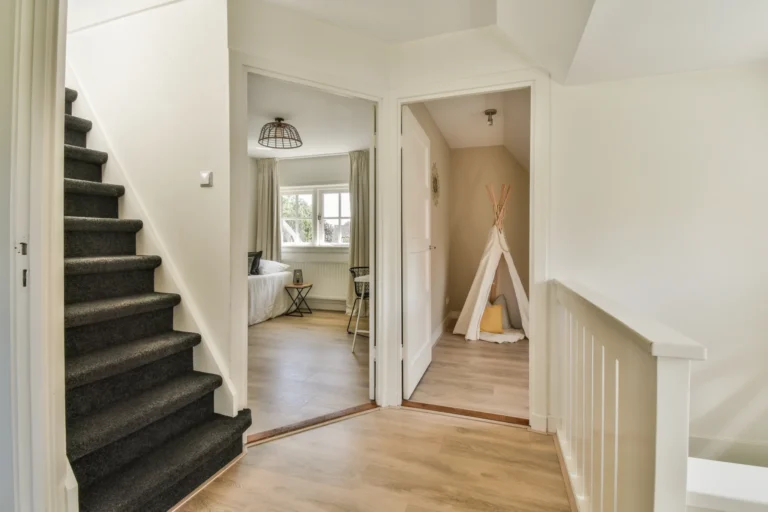
Access is essential but often overlooked. You need space on the floor below to install a staircase meeting building regulations. Staircases require approximately 3 metres of floor space, which usually comes from a landing or bedroom. Properties throughout West London typically accommodate staircases without major issues, though tight layouts may require creative solutions. Consider where the staircase will go and how it affects rooms below before committing to your conversion.
Understanding Planning Permission and Building Regulations
Navigating planning and regulatory requirements is crucial for West London loft conversions. Understanding what’s required for your specific property and location prevents delays and ensures compliance.
Many loft conversions fall under permitted development rights, meaning you don’t need planning permission. Permitted development allows rear dormer conversions up to certain size limits, provided your property isn’t in a conservation area, isn’t a listed building, and hasn’t already used permitted development rights for other extensions. Properties throughout Ealing, Hammersmith, and Hounslow regularly benefit from permitted development, making the planning process straightforward.
However, several situations require planning permission. Properties in conservation areas (including parts of Bedford Park, areas around Chiswick’s historic streets, and other designated areas throughout West London) need planning approval for most loft conversions. Listed buildings always require listed building consent. Conversions that significantly alter your roof’s appearance, extend beyond permitted development limits, or include front dormers typically need planning permission.
Article 4 directions remove permitted development rights in some areas. Certain streets throughout West London have Article 4 directions that require planning permission for work that would normally be permitted development. Check with your local council (Ealing Council, Hammersmith & Fulham Council, Hounslow Council) whether your property is affected. Properties near Gunnersbury Park, around Acton Green, and throughout West London may be subject to these restrictions.
Building regulations approval is required for all loft conversions, regardless of whether planning permission is needed. Building regulations ensure your conversion meets safety standards for structural integrity, fire safety, insulation, ventilation, and staircase design. Your loft conversion specialist handles building regulations applications and coordinates inspections throughout the project. Properties throughout West London must meet identical building regulations standards, ensuring all conversions are safe and compliant.
Party wall agreements may be required if your loft conversion affects shared walls with neighboring properties. Terraced and semi-detached properties throughout Ealing, Hammersmith, and across West London typically require party wall agreements. Your specialist arranges party wall surveyors and manages the process, ensuring neighboring properties are properly notified and any concerns are addressed.
Determining Your Budget and Financing Options
Realistic budgeting is essential for successful loft conversions. Understanding costs and financing options helps you plan appropriately and avoid financial stress.
Loft conversion costs in West London vary by type and specification. Velux conversions (the simplest type) typically cost £25,000-£35,000. Dormer conversions (the most common type) range from £35,000-£50,000. Mansard conversions cost £45,000-£65,000+. Hip-to-gable conversions run £40,000-£55,000. L-shaped conversions cost £55,000-£70,000+. These prices include all structural work, building regulations compliance, materials, and labor for properties throughout Ealing, Hammersmith, Hounslow, and across West London.
Additional costs beyond the basic conversion should be budgeted. Planning fees (if required) cost £200-£500. Party wall agreements cost £700-£1,500 per neighboring property. Furniture, flooring upgrades, and decoration add £2,000-£5,000. Contingency funds (typically 10-15% of the conversion cost) cover unexpected issues like hidden structural problems or design changes. Properties near Ravenscourt Park, around Chiswick Park, and throughout West London benefit from realistic budgeting that includes these additional costs.
Financing options make loft conversions accessible. Many homeowners use savings to fund conversions, benefiting from no interest charges and straightforward financing. Remortgaging releases equity from your property at mortgage interest rates (typically 3-5%), often the most cost-effective borrowing option for larger conversions. Home improvement loans from banks and building societies offer fixed-rate borrowing specifically for home improvements. Properties throughout West London have substantial equity that can be released through remortgaging, making this a popular financing choice.
Return on investment justifies the expense. Quality loft conversions typically add 15-20% to property values throughout West London. A £45,000 conversion on a £650,000 property could increase its value by £97,500-£130,000, delivering £52,500-£85,000 net value gain after deducting conversion costs. Properties near Walpole Park, around Hammersmith Grove, and throughout West London consistently demonstrate these excellent returns, making loft conversions financially sound investments.
Choosing the Right Type of Loft Conversion
Different conversion types suit different properties and needs. Understanding your options helps you choose the approach that delivers the best results for your situation.
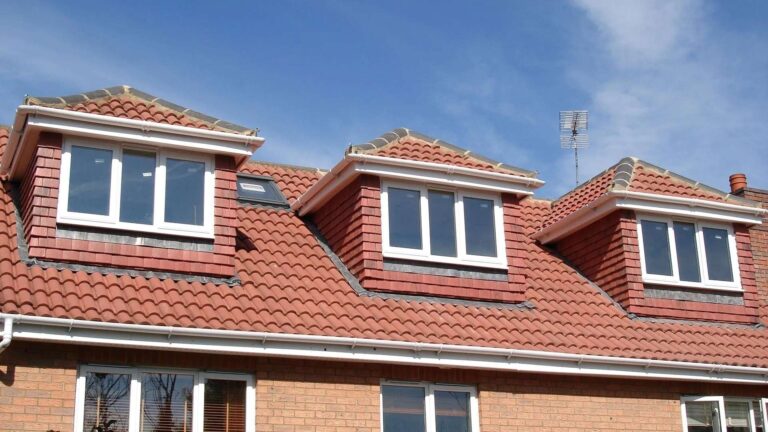
Dormer conversions are the most popular type throughout West London. A dormer extends from your existing roof slope, creating additional headroom and floor space. Rear dormers maintain your property’s street appearance whilst maximizing space at the back. Dormers suit virtually all property types—Victorian terraces, Edwardian houses, 1930s semis, and modern properties. They offer excellent value, typically costing £35,000-£50,000, and many rear dormers fall under permitted development. Properties around Pitshanger Village, near Northfields, and throughout Ealing regularly feature dormer conversions.
Velux conversions are the simplest and most cost-effective option. Rather than altering your roofline, Velux conversions install roof windows in your existing roof slope. They work brilliantly when you already have good headroom and floor space, creating bright, airy rooms at the lowest cost (£25,000-£35,000). Velux conversions almost always fall under permitted development and suit properties where you want to minimize external changes. Properties near Chiswick Common, around Turnham Green Station, and throughout W4 benefit from Velux conversions that add space whilst preserving architectural character.
Mansard conversions create maximum space by replacing one or both roof slopes with near-vertical walls and a flat roof. This approach dramatically increases headroom and floor space, often creating enough room for multiple bedrooms or luxurious master suites. Mansard conversions are popular on Victorian and Edwardian terraced properties throughout Hammersmith, Fulham, and other West London areas. They require planning permission and cost £45,000-£65,000+, but deliver exceptional space gains and property value increases.
Hip-to-gable conversions suit properties with hipped roofs (where the roof slopes on all four sides). The conversion replaces the sloping hip with a vertical gable wall, creating additional floor space and headroom. Hip-to-gable conversions are often combined with rear dormers for maximum space. They’re popular on semi-detached and detached properties throughout Ealing, Hounslow, and across West London, typically costing £40,000-£55,000.
L-shaped conversions combine dormers on two adjacent roof slopes—typically the rear and one side—creating maximum usable space. These conversions suit semi-detached and detached properties where you can extend on both rear and side elevations. L-shaped conversions create 30-40% more space than standard rear dormers, ideal for master suites with en-suites and dressing areas, or for creating two separate bedrooms. They typically cost £55,000-£70,000 and require planning permission. Properties near Gunnersbury Triangle, around Acton Park, and throughout West London benefit from L-shaped conversions when maximum space is needed.
Considering Your Property’s Specific Characteristics
Every West London property is unique, and understanding your property’s specific characteristics helps you plan a conversion that works with your home’s strengths and addresses any challenges.
Property age affects conversion approach. Victorian and Edwardian properties (pre-1914) throughout Ealing, Hammersmith, and Chiswick typically have excellent loft spaces with generous headroom, traditional roof structures, and substantial floor areas. These properties convert beautifully, though they may have older wiring, plumbing, and structural elements that need updating during conversion. Properties near Ravenscourt Park, around Walpole Park, and throughout West London’s Victorian streets are ideal for loft conversions.
1930s properties across Northfields, Acton, and throughout West London also convert well, with good headroom and traditional roof structures. Post-1960s properties may have truss roofs requiring more structural work, but conversions are entirely feasible with proper engineering. Modern properties throughout Hounslow, Brentford, and across West London regularly undergo successful loft conversions despite truss roofs.
Conservation area properties require special consideration. Areas around Bedford Park, parts of Chiswick, and other conservation areas throughout West London have planning restrictions designed to preserve architectural character. Loft conversions in conservation areas require planning permission and careful design to respect the area’s character. However, many conversions are approved when designs are sympathetic to the property and surrounding area. Experienced loft conversion specialists understand conservation area requirements and design conversions that balance your space needs with planning constraints.
Terraced properties have party wall considerations. Most terraced properties throughout Ealing, Hammersmith, and across West London share walls with neighboring properties. Loft conversions affecting these party walls require party wall agreements, where surveyors assess the work and ensure neighboring properties aren’t adversely affected. This process adds 4-6 weeks to your timeline and costs £700-£1,500 per neighboring property, but it’s a standard part of terraced property conversions. Properties around Chiswick High Road, near Hammersmith Broadway, and throughout West London’s terraced streets regularly navigate party wall processes successfully.
Semi-detached and detached properties offer more flexibility. With fewer shared walls and often more space, semi-detached and detached properties throughout Ealing, Hounslow, and West London can accommodate larger conversions like L-shaped or hip-to-gable designs. These properties often have more options for staircase placement and can create more substantial loft spaces. Properties near Gunnersbury Park, around Acton Green Common, and throughout West London benefit from this additional flexibility.
Planning for Disruption and Timeline
Understanding what to expect during your loft conversion helps you prepare appropriately and minimize stress. Most West London loft conversions complete in 6-8 weeks, but knowing what happens during this time is essential.
The typical timeline follows a predictable sequence. Initial assessment and design take 1-2 weeks. Planning permission (if required) takes 8-12 weeks, though many conversions fall under permitted development and skip this stage. Building regulations approval takes 4-6 weeks but runs concurrently with other preparations. Party wall agreements (if required) take 4-6 weeks. The physical construction work takes 6-8 weeks for most conversions, with larger or more complex projects taking 10-12 weeks. Properties throughout Ealing, Hammersmith, and Hounslow follow these timelines, though individual circumstances vary.
Disruption during construction is manageable but real. Most families remain in residence throughout their loft conversion, with work contained primarily to the loft space. Expect noise during working hours (typically 8am-5pm Monday-Friday), contractors accessing your property daily, dust despite protective measures, and temporary loss of loft storage. Properties near South Ealing Station, around Chiswick Park, and throughout West London regularly complete conversions whilst families continue living normally, though some inconvenience is inevitable.
Planning around disruption minimizes stress. Consider timing your conversion to avoid major family events, school exam periods, or particularly busy work periods. Some families take a week’s holiday during the noisiest phases. Properties throughout West London benefit from flexible scheduling that accommodates family needs whilst maintaining project momentum.
Communication with your contractor is essential. Establish clear expectations about working hours, site cleanliness, access requirements, and progress updates. Good contractors provide weekly progress reports and address concerns promptly. Properties near Ravenscourt Park, around Pitshanger Lane, and throughout West London benefit from contractors who communicate clearly and manage expectations effectively.
Selecting the Right Loft Conversion Specialist
Choosing the right contractor is perhaps the most important decision you’ll make. The quality of your conversion, the smoothness of the process, and your overall satisfaction depend heavily on your contractor’s expertise and professionalism.
Look for specialists who focus exclusively on loft conversions rather than general builders. Loft conversion specialists understand the unique challenges and requirements of these projects—structural engineering, building regulations compliance, planning navigation, and the specific techniques that deliver quality results. Properties throughout Ealing, Hammersmith, Hounslow, and across West London benefit from specialists who complete dozens of loft conversions annually rather than general builders who do occasional loft work.
Experience with properties like yours in your area matters. A company with extensive experience converting Victorian terraces in Ealing, Edwardian houses in Hammersmith, or 1930s semis in Hounslow understands the specific characteristics of these properties and the local planning landscape. They know which councils are more or less flexible, what designs work in conservation areas, and how to navigate borough-specific requirements. Properties near Walpole Park, around Chiswick High Road, and throughout West London benefit from contractors with deep local knowledge.
Check credentials, insurance, and guarantees carefully. Your contractor should have comprehensive public liability insurance (minimum £5 million), structural warranty insurance, and professional indemnity insurance. They should offer insurance-backed guarantees (typically 5-10 years) that protect you even if the company ceases trading. Memberships in trade associations like the Federation of Master Builders or similar organizations indicate professional standards. Properties throughout West London deserve contractors who provide these protections and peace of mind.
Review previous work and speak to past clients. Quality contractors happily provide examples of completed projects and contact details for previous clients. Visit completed conversions if possible, seeing firsthand the quality of workmanship and finish. Speak to past clients about their experience—was the project completed on time and budget? How did the contractor handle any issues? Would they use them again? Properties near Gunnersbury Station, around Acton Town, and throughout West London benefit from contractors with proven track records and satisfied clients.
Understand what’s included in quotes. Fixed-price packages should include all structural work, building regulations compliance, materials, labor, and project management. Clarify what’s not included—usually furniture, decoration beyond basic plastering, and flooring beyond basic screeding. Beware of quotes that seem too cheap—they often exclude essential work or use substandard materials. Properties throughout Ealing, Hammersmith, and Hounslow benefit from transparent, comprehensive quotes that avoid hidden costs and surprises.
Thinking About Design, Layout, and Functionality
Thoughtful design ensures your loft conversion delivers the functionality and aesthetics you want. Considering design factors before construction starts prevents costly changes and ensures satisfaction with the final result.
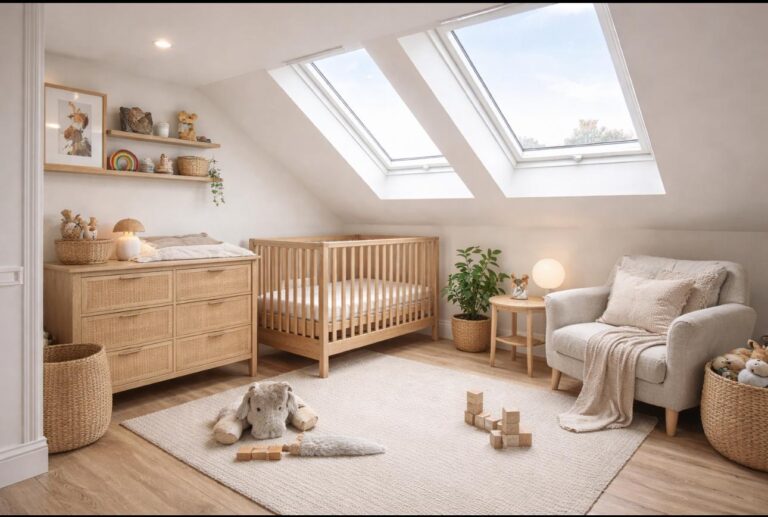
Natural light is crucial for loft spaces. Plan for generous windows—whether dormer windows, Velux roof windows, or a combination—that flood your loft with daylight. South-facing windows provide maximum light throughout the day. Consider how window placement affects privacy, views, and the external appearance of your property. Properties near Ravenscourt Park, around Chiswick Common, and throughout West London benefit from thoughtful window design that balances light, privacy, and aesthetics.
Storage is often overlooked but essential. Loft conversions can include built-in wardrobes in eaves spaces, under-stair storage, and clever use of awkward areas. Planning storage from the start is far more effective than adding it later. Properties throughout Ealing, from Pitshanger Village to Northfields, benefit from integrated storage that maximizes usable space and keeps loft rooms clutter-free.
Bathroom placement requires careful planning if you’re including an en-suite. Plumbing needs to connect to existing soil stacks, which affects where bathrooms can be located. Drainage, ventilation, and waterproofing are critical in loft bathrooms. Properties near Hammersmith Grove, around Shepherd’s Bush, and throughout W6 benefit from expert bathroom design that addresses these technical requirements whilst creating beautiful, functional spaces.
Heating and ventilation ensure year-round comfort. Loft spaces can be warm in summer and cold in winter without proper heating and ventilation. Radiators, underfloor heating, or air conditioning maintain comfortable temperatures. Building regulations require proper ventilation to prevent condensation and maintain air quality. Properties throughout West London benefit from heating and ventilation systems that create comfortable loft spaces regardless of season.
Staircase design affects both aesthetics and functionality. Space-saving staircases maximize efficiency, but they must meet building regulations for dimensions, headroom, and handrails. Consider how the staircase affects the room below and how it integrates with your home’s existing layout. Properties near Turnham Green, around Acton Central, and throughout West London benefit from staircase designs that balance space efficiency with safety and aesthetics.
Frequently Asked Questions About Loft Conversion Planning
How do I know if my West London property is suitable for a loft conversion?
Most West London properties can be converted with the right approach. Key factors are headroom (ideally 2.2-2.4 metres), sufficient floor space (20-30+ square metres), and roof structure. Victorian, Edwardian, and 1930s properties throughout Ealing, Hammersmith, and Hounslow typically have excellent loft spaces for conversion. The best way to determine suitability is getting a professional assessment from a loft conversion specialist who can evaluate your specific property.
Do I need planning permission for a loft conversion in West London?
Many loft conversions fall under permitted development rights and don’t require planning permission, provided your property isn’t in a conservation area, isn’t listed, and the conversion meets size limits. However, properties in conservation areas (including parts of Bedford Park, areas of Chiswick, and other designated areas), listed buildings, and conversions exceeding permitted development limits require planning permission. Check with your local council or consult a loft conversion specialist familiar with West London planning requirements.
How long does a loft conversion take from start to finish?
The physical construction typically takes 6-8 weeks for most West London loft conversions, with larger or more complex projects taking 10-12 weeks. However, the total timeline includes design (1-2 weeks), planning permission if required (8-12 weeks), building regulations approval (4-6 weeks, often concurrent), and party wall agreements if needed (4-6 weeks). Conversions falling under permitted development without party wall requirements can start construction within 4-6 weeks of initial assessment.
What’s a realistic budget for a loft conversion in West London?
Costs vary by conversion type and specification. Velux conversions cost £25,000-£35,000. Dormer conversions (the most common) cost £35,000-£50,000. Mansard conversions cost £45,000-£65,000+. Hip-to-gable conversions cost £40,000-£55,000. L-shaped conversions cost £55,000-£70,000+. Budget an additional 10-15% for contingencies, plus costs for planning fees, party wall agreements, furniture, and decoration beyond basic finishes.
Can I stay in my home during the loft conversion?
Yes, most families throughout West London remain in residence during their loft conversion. Work is contained primarily to the loft space, with protective measures minimizing dust and disruption to the rest of your home. There will be noise during working hours, contractors accessing your property, and some inconvenience, but it’s manageable and temporary. Some families choose to take a holiday during the noisiest phases, but staying in residence throughout is entirely feasible.
What happens if my property has a truss roof?
Truss roofs (common in properties built after the 1960s) require more structural work than traditional cut timber roofs, but conversions are entirely feasible. The trusses are removed and replaced with traditional timber framing using steel beams to support the roof structure. This adds cost (typically £5,000-£10,000 extra) and requires careful structural engineering, but it doesn’t prevent conversion. Many modern properties throughout Hounslow, Brentford, and across West London successfully convert truss roof lofts.
How do I choose the right loft conversion specialist?
Look for specialists who focus exclusively on loft conversions rather than general builders. Check they have comprehensive insurance, offer insurance-backed guarantees, and have extensive experience with properties like yours in your area of West London. Review previous work, speak to past clients, and ensure quotes are comprehensive and transparent. Memberships in trade associations indicate professional standards. Properties throughout Ealing, Hammersmith, and Hounslow benefit from specialists with proven track records and deep local knowledge.
What about party wall agreements for terraced properties?
Most terraced properties throughout West London require party wall agreements when loft conversions affect shared walls with neighbors. The process involves appointing party wall surveyors who assess the work and ensure neighboring properties aren’t adversely affected. It adds 4-6 weeks to your timeline and costs £700-£1,500 per neighboring property, but it’s a standard part of terraced property conversions. Your loft conversion specialist manages the process and coordinates with surveyors and neighbors.
Conclusion: Planning Your West London Loft Conversion for Success
Careful consideration of these factors before starting your loft conversion ensures your project delivers the results you want within your budget and timeline. From assessing your loft’s suitability and understanding planning requirements to choosing the right specialist and planning for disruption, informed decisions at the planning stage prevent problems and ensure satisfaction with the final result.
Whether you’re near Walpole Park in Ealing, around Ravenscourt Park in Hammersmith, close to Chiswick High Road, or anywhere throughout West London, taking time to consider these factors before starting your loft conversion sets the foundation for a successful project that transforms your property and enhances your quality of life. The investment in careful planning pays dividends in smoother execution, better results, and a loft conversion that exceeds your expectations.