
If you are considering a loft conversion in West London, it is completely normal to ask the blunt question.
Is it actually worth it?
Most homeowners are not looking for a quick flip. They want more space, a better layout, and a home that works for their family long term. But cost still matters, and so does value.
We are Loft Conversion West London. We have specialised exclusively in loft conversions for over 25 years, completing hundreds of projects across Ealing, Acton, Chiswick, Hammersmith, Fulham, Richmond, Kew, Brentford, Hanwell, Greenford, Northolt, Ruislip and Uxbridge. We work on fixed pricing with no hidden fees, every project has a dedicated project manager, and our work is backed by a 5-year insurance-backed guarantee through HIG, with warranties up to 10 years.
In this guide, we will break down cost vs value in a practical way, so you can decide whether a loft conversion makes sense for your home, your area, and your plans.
What “value” really means in West London
When people talk about value, they usually mean one of three things:
• Financial value: will the property be worth more?
• Lifestyle value: will the home work better day to day?
• Strategic value: does it help you avoid moving, or future-proof the property?
In West London, lifestyle and strategic value are often just as important as resale value.
If you live near Chiswick High Road, around Ravenscourt Park, close to Walpole Park in Ealing, or in areas like Richmond, Kew and Barnes, the cost of moving can be huge. Estate agent fees, stamp duty, removals, and the disruption of changing schools or commuting routes add up quickly.
That is why many homeowners choose to improve the home they already love.
The real question: what are you buying with a loft conversion?
A loft conversion is not just “extra space”. It is usually one of these outcomes:
• A proper main bedroom with en suite
• An extra bedroom for a growing family
• A home office that is separate from the rest of the house
• A guest suite for visiting family
• A teenager space that reduces pressure on the rest of the home
The value is higher when the new space solves a real problem.
Typical cost drivers that affect value
Two loft conversions can look similar on paper but have very different costs and outcomes.
Here are the main factors that influence cost and the value you get back.
1) Loft conversion type
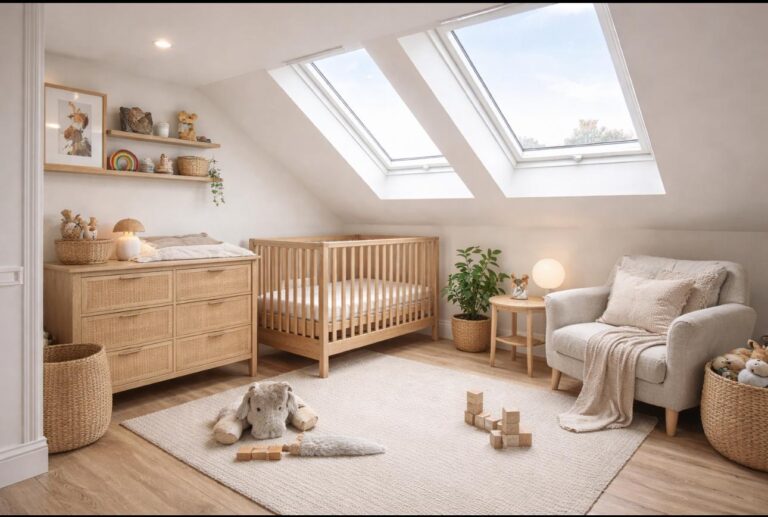
• Velux loft conversions can be a cost-effective way to create a bright room if your roof height and layout suit it.
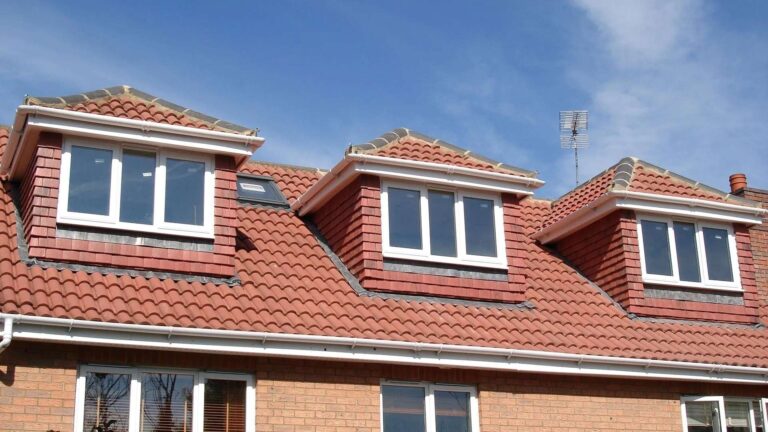
• Dormer loft conversions often give the best balance of space and cost for many West London terraces.
• Hip-to-gable loft conversions are common on semi-detached homes in areas like Hanwell, Greenford and Northolt.
• Mansard loft conversions can create excellent space, especially in terraces, but they are typically more complex.
The “best value” is not always the cheapest. It is the option that gives you the space you need without overbuilding for the street.
2) Staircase position and layout
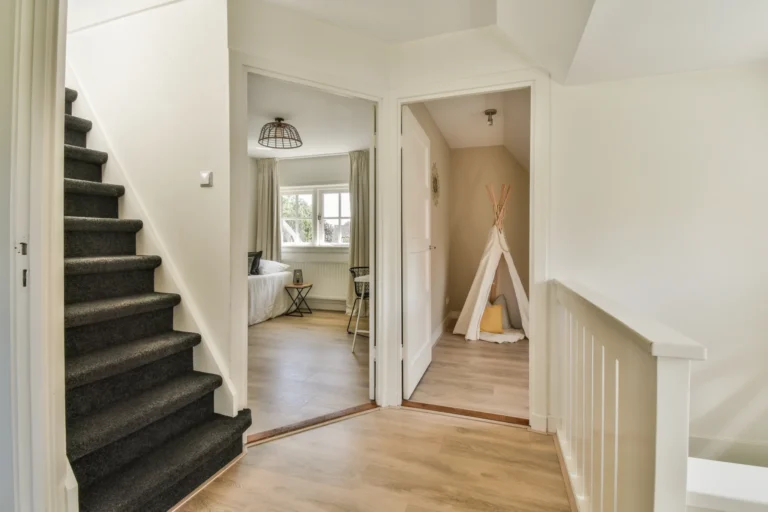
The staircase is one of the biggest “make or break” elements.
A well-planned stair location can:
• Keep the existing floor layout functional
• Make the loft feel like a natural part of the home
• Improve resale appeal
A poor stair layout can reduce value because it makes the rest of the house feel compromised.
3) Bathrooms and plumbing
Adding an en suite is a common choice, but it affects:
• Plumbing routes
• Ventilation requirements
• Waterproofing and finishes
It can add strong lifestyle value and resale appeal, particularly in family homes.
4) Structural complexity
Structural requirements vary by property.
Victorian and Edwardian terraces around Acton, Chiswick and Shepherd’s Bush can have quirks that need careful planning. Semi-detached homes in places like Ruislip and Uxbridge can have different roof forms and load paths.
Good design and proper structural planning protect value because they reduce risk, delays, and compromises.
5) Planning and local constraints
West London has plenty of conservation areas and planning sensitivities.
If you are near areas with stricter controls, the design needs to be right from the start. The goal is to create a conversion that looks appropriate, meets building regulations, and is likely to be approved.
Cost vs value: when a loft conversion is usually worth it
A loft conversion tends to make strong sense when:
• You plan to stay in the home for at least 3 to 5 years
• You need an extra bedroom or a better layout
• You are in an area where space is at a premium
• Your roof space is suitable without extreme structural changes
• The conversion adds a “headline feature” buyers value, like a main bedroom suite
In West London, the combination of high property prices and limited space often means loft conversions are one of the most practical upgrades you can make.
When it might not be the best move
We are always honest about this.
A loft conversion may not be the best option if:
• Your loft height is very limited and the design would be heavily compromised
• You need a ground-floor extension more than an upstairs room
• You are planning to move very soon and the disruption is not worth it
• The property layout would be harmed by the staircase placement
That said, many of these issues can be solved with the right design approach. The key is to assess feasibility early.
How to think about value in West London streets
Value is not only about your house. It is also about your street and local buyer expectations.
A practical way to think about it:
• If most similar homes nearby have a loft conversion, not having one can make your home feel “behind the market”.
• If your home is already one of the largest on the street, overbuilding can be harder to justify.
• If you are adding a main bedroom suite, it often has broad appeal.
In areas like Ealing, Chiswick, Hammersmith, Fulham and Richmond, buyers often expect flexible space for home working and family life.
The “moving cost” comparison (what homeowners often forget)
Even if you do not care about resale value, a loft conversion can be worth it simply because it helps you avoid moving.
Moving costs can include:
• Stamp duty
• Estate agent fees
• Solicitor fees n- Survey costs
• Removal costs
• Decorating and repairs in the new home
• Time, stress, and disruption
For many West London families, improving the current home is the calmer, more predictable option.
How we protect value during the build
The build process affects value. A conversion that looks good but is poorly executed, or full of shortcuts, can create problems later.
We protect value by focusing on:
• Fixed pricing with no hidden fees
• Clear scope and inclusions before work starts
• Dedicated project manager for every conversion
• Strong building regulations compliance, including fire safety and insulation
• Quality finishes that suit the style of West London period homes
• 5-year insurance-backed guarantee through HIG, with warranties up to 10 years
That is how the conversion feels like a genuine upgrade, not a quick add-on.
Quick checklist: is a loft conversion worth it for your home?
If you can tick most of these, it is usually a strong move:
• You need more space but like the area
• You plan to stay 3 to 5 years or longer
• Your loft has reasonable height and layout
• You can add a room that solves a real household need
• You want to avoid moving costs and disruption
FAQs: Cost vs value for loft conversions in West London
Does a loft conversion always add value?
Not always. It depends on the design, the quality of the build, and whether the new space is genuinely useful. A well-planned conversion that adds a bedroom and bathroom often has strong appeal.
Is a dormer loft conversion good value in West London?
In many West London terraces, dormers offer an excellent balance of space gained versus build complexity. They are popular because they create practical headroom and usable floor area.
Are mansard loft conversions worth the extra cost?
They can be, especially if you want maximum space and the street style supports it. They are typically more complex, so the value comes from the quality of the space created.
Is it worth adding an en suite?
For many homeowners, yes. It adds lifestyle value and can improve resale appeal, particularly for family homes.
Will a loft conversion make our home harder to sell?
A well-designed conversion that feels like a natural part of the home usually improves saleability. Poor layout choices, especially around the staircase, can have the opposite effect.
How long do we need to stay for it to be worth it?
Many homeowners look at 3 to 5 years as a sensible minimum, but the lifestyle benefit can make it worthwhile sooner if it solves a real space problem.
Is it better to convert the loft or move house?
In West London, converting is often more cost-effective and less disruptive than moving, once you factor in stamp duty and fees. It depends on your long-term plans.
What is the best first step to assess value?
A feasibility check. We look at your roof space, layout, and goals, then advise on the most suitable conversion type and what outcome you can realistically achieve.
Next step: get a feasibility check and a clear fixed price
If you are weighing up cost vs value for a loft conversion in West London, the best next step is a proper feasibility assessment.
We will look at your roof space, talk through the outcome you want, and explain the most suitable conversion type for your home. You will get a clear scope, fixed pricing with no hidden fees, and a dedicated project manager from start to finish.
If you are in Ealing, Acton, Chiswick, Hammersmith, Fulham, Richmond, Kew, Brentford, Hanwell, Greenford, Northolt, Ruislip or Uxbridge, get in touch and we will guide you through the next steps.
You can also explore more here:
- Homepage: https://loftconversionwestlondon.com/
- Loft Conversion Services: https://loftconversionwestlondon.com/services
- Related posts:
If you are considering a loft conversion in West London, it is completely normal to ask the blunt question.
Is it actually worth it?
Most homeowners are not looking for a quick flip. They want more space, a better layout, and a home that works for their family long term. But cost still matters, and so does value.
We are Loft Conversion West London. We have specialised exclusively in loft conversions for over 25 years, completing hundreds of projects across Ealing, Acton, Chiswick, Hammersmith, Fulham, Richmond, Kew, Brentford, Hanwell, Greenford, Northolt, Ruislip and Uxbridge. We work on fixed pricing with no hidden fees, every project has a dedicated project manager, and our work is backed by a 5-year insurance-backed guarantee through HIG, with warranties up to 10 years.
In this guide, we will break down cost vs value in a practical way, so you can decide whether a loft conversion makes sense for your home, your area, and your plans.
What “value” really means in West London
When people talk about value, they usually mean one of three things:
• Financial value: will the property be worth more?
• Lifestyle value: will the home work better day to day?
• Strategic value: does it help you avoid moving, or future-proof the property?
In West London, lifestyle and strategic value are often just as important as resale value.
If you live near Chiswick High Road, around Ravenscourt Park, close to Walpole Park in Ealing, or in areas like Richmond, Kew and Barnes, the cost of moving can be huge. Estate agent fees, stamp duty, removals, and the disruption of changing schools or commuting routes add up quickly.
That is why many homeowners choose to improve the home they already love.
The real question: what are you buying with a loft conversion?
A loft conversion is not just “extra space”. It is usually one of these outcomes:
• A proper main bedroom with en suite
• An extra bedroom for a growing family
• A home office that is separate from the rest of the house
• A guest suite for visiting family
• A teenager space that reduces pressure on the rest of the home
The value is higher when the new space solves a real problem.
Typical cost drivers that affect value
Two loft conversions can look similar on paper but have very different costs and outcomes.
Here are the main factors that influence cost and the value you get back.
1) Loft conversion type
• Velux loft conversions can be a cost-effective way to create a bright room if your roof height and layout suit it.
• Dormer loft conversions often give the best balance of space and cost for many West London terraces.
• Hip-to-gable loft conversions are common on semi-detached homes in areas like Hanwell, Greenford and Northolt.
• Mansard loft conversions can create excellent space, especially in terraces, but they are typically more complex.
The “best value” is not always the cheapest. It is the option that gives you the space you need without overbuilding for the street.
2) Staircase position and layout
The staircase is one of the biggest “make or break” elements.
A well-planned stair location can:
• Keep the existing floor layout functional
• Make the loft feel like a natural part of the home
• Improve resale appeal
A poor stair layout can reduce value because it makes the rest of the house feel compromised.
3) Bathrooms and plumbing
Adding an en suite is a common choice, but it affects:
• Plumbing routes
• Ventilation requirements
• Waterproofing and finishes
It can add strong lifestyle value and resale appeal, particularly in family homes.
4) Structural complexity
Structural requirements vary by property.
Victorian and Edwardian terraces around Acton, Chiswick and Shepherd’s Bush can have quirks that need careful planning. Semi-detached homes in places like Ruislip and Uxbridge can have different roof forms and load paths.
Good design and proper structural planning protect value because they reduce risk, delays, and compromises.
5) Planning and local constraints
West London has plenty of conservation areas and planning sensitivities.
If you are near areas with stricter controls, the design needs to be right from the start. The goal is to create a conversion that looks appropriate, meets building regulations, and is likely to be approved.
Cost vs value: when a loft conversion is usually worth it
A loft conversion tends to make strong sense when:
• You plan to stay in the home for at least 3 to 5 years
• You need an extra bedroom or a better layout
• You are in an area where space is at a premium
• Your roof space is suitable without extreme structural changes
• The conversion adds a “headline feature” buyers value, like a main bedroom suite
In West London, the combination of high property prices and limited space often means loft conversions are one of the most practical upgrades you can make.
When it might not be the best move
We are always honest about this.
A loft conversion may not be the best option if:
• Your loft height is very limited and the design would be heavily compromised
• You need a ground-floor extension more than an upstairs room
• You are planning to move very soon and the disruption is not worth it
• The property layout would be harmed by the staircase placement
That said, many of these issues can be solved with the right design approach. The key is to assess feasibility early.
How to think about value in West London streets
Value is not only about your house. It is also about your street and local buyer expectations.
A practical way to think about it:
• If most similar homes nearby have a loft conversion, not having one can make your home feel “behind the market”.
• If your home is already one of the largest on the street, overbuilding can be harder to justify.
• If you are adding a main bedroom suite, it often has broad appeal.
In areas like Ealing, Chiswick, Hammersmith, Fulham and Richmond, buyers often expect flexible space for home working and family life.
The “moving cost” comparison (what homeowners often forget)
Even if you do not care about resale value, a loft conversion can be worth it simply because it helps you avoid moving.
Moving costs can include:
• Stamp duty
• Estate agent fees
• Solicitor fees n- Survey costs
• Removal costs
• Decorating and repairs in the new home
• Time, stress, and disruption
For many West London families, improving the current home is the calmer, more predictable option.
How we protect value during the build
The build process affects value. A conversion that looks good but is poorly executed, or full of shortcuts, can create problems later.
We protect value by focusing on:
• Fixed pricing with no hidden fees
• Clear scope and inclusions before work starts
• Dedicated project manager for every conversion
• Strong building regulations compliance, including fire safety and insulation
• Quality finishes that suit the style of West London period homes
• 5-year insurance-backed guarantee through HIG, with warranties up to 10 years
That is how the conversion feels like a genuine upgrade, not a quick add-on.
Quick checklist: is a loft conversion worth it for your home?
If you can tick most of these, it is usually a strong move:
• You need more space but like the area
• You plan to stay 3 to 5 years or longer
• Your loft has reasonable height and layout
• You can add a room that solves a real household need
• You want to avoid moving costs and disruption
FAQs: Cost vs value for loft conversions in West London
Does a loft conversion always add value?
Not always. It depends on the design, the quality of the build, and whether the new space is genuinely useful. A well-planned conversion that adds a bedroom and bathroom often has strong appeal.
Is a dormer loft conversion good value in West London?
In many West London terraces, dormers offer an excellent balance of space gained versus build complexity. They are popular because they create practical headroom and usable floor area.
Are mansard loft conversions worth the extra cost?
They can be, especially if you want maximum space and the street style supports it. They are typically more complex, so the value comes from the quality of the space created.
Is it worth adding an en suite?
For many homeowners, yes. It adds lifestyle value and can improve resale appeal, particularly for family homes.
Will a loft conversion make our home harder to sell?
A well-designed conversion that feels like a natural part of the home usually improves saleability. Poor layout choices, especially around the staircase, can have the opposite effect.
How long do we need to stay for it to be worth it?
Many homeowners look at 3 to 5 years as a sensible minimum, but the lifestyle benefit can make it worthwhile sooner if it solves a real space problem.
Is it better to convert the loft or move house?
In West London, converting is often more cost-effective and less disruptive than moving, once you factor in stamp duty and fees. It depends on your long-term plans.
What is the best first step to assess value?
A feasibility check. We look at your roof space, layout, and goals, then advise on the most suitable conversion type and what outcome you can realistically achieve.
Next step: get a feasibility check and a clear fixed price
If you are weighing up cost vs value for a loft conversion in West London, the best next step is a proper feasibility assessment.
We will look at your roof space, talk through the outcome you want, and explain the most suitable conversion type for your home. You will get a clear scope, fixed pricing with no hidden fees, and a dedicated project manager from start to finish.
If you are in Ealing, Acton, Chiswick, Hammersmith, Fulham, Richmond, Kew, Brentford, Hanwell, Greenford, Northolt, Ruislip or Uxbridge, get in touch and we will guide you through the next steps.
You can also explore more here:
- Homepage: https://loftconversionwestlondon.com/
- Loft Conversion Services: https://loftconversionwestlondon.com/services
- Related posts: