
Energy bills are a constant talking point in West London. Even in well-kept period homes around Chiswick, Acton, Ealing, Hammersmith and Fulham, we still see draughty roof spaces, patchy insulation, and heat loss through the top of the house.
A properly designed loft conversion can improve comfort straight away, and in many homes it can also reduce wasted heat. That does not mean every loft conversion automatically slashes your bills. The savings depend on how the existing roof space performs, what insulation is installed, and how the new room is heated and ventilated.
We are Loft Conversion West London. We have specialised exclusively in loft conversions for over 25 years, completing hundreds of projects across West London. In this guide, we will explain where the energy savings can come from, what makes the biggest difference in real homes, and how to design your loft conversion so it is comfortable year-round.
Why the loft is often the biggest source of heat loss
Warm air rises. In many West London homes, especially Victorian and Edwardian terraces, the roof space is the weak point. We regularly see:
- Thin or uneven insulation
- Gaps around hatches, pipes, and wiring
- Cold draughts coming through the eaves
- Poor ventilation that causes condensation, which then affects insulation performance
If you have ever walked upstairs on a cold evening and noticed the top floor feels colder, or the heating seems to run constantly, the roof is often part of the reason.
How a loft conversion can reduce heat loss
A loft conversion involves upgrading the roof structure and creating a habitable room. That typically includes modern insulation and better air-tightness than an old, unused loft.
In simple terms, the energy benefits usually come from:
- Upgraded insulation in the roof slopes and dormer walls
- Better sealing around junctions and penetrations
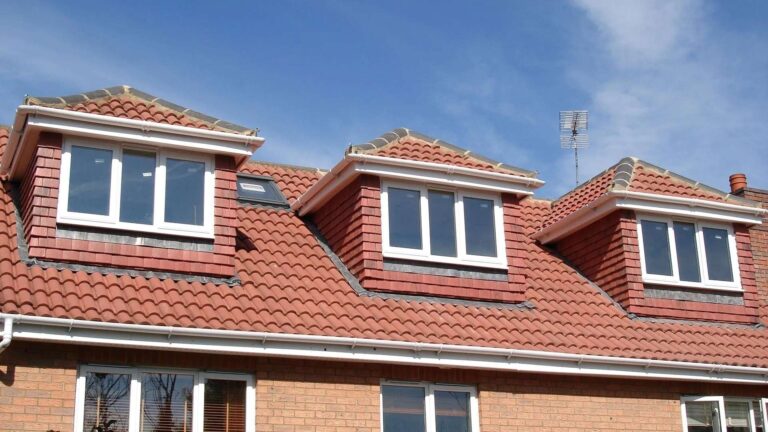
- Modern windows (rooflights or dormer windows) that perform better than older glazing
- More controlled ventilation, so you get fresh air without uncontrolled draughts
If you are near areas like Turnham Green, Ravenscourt Park, Walpole Park or Shepherd’s Bush, you will know how many homes still have original features. That charm is great, but it often comes with older thermal performance.
The biggest factors that influence energy savings
1) What your loft is like right now
If your existing loft insulation is poor, or has been disturbed over the years, the improvement after a conversion can be noticeable.
If your loft is already very well insulated and sealed, the “energy savings” angle may be less dramatic. You may still gain comfort and better temperature stability in the new room.
2) Insulation specification and installation quality
Insulation is not just about thickness. It is about continuity. We focus on:
- Avoiding gaps and compression
- Treating cold bridges at junctions
- Ensuring insulation works alongside ventilation, not against it
A loft room that is insulated properly should feel warm in winter and less prone to overheating in summer.
3) Windows, rooflights, and shading
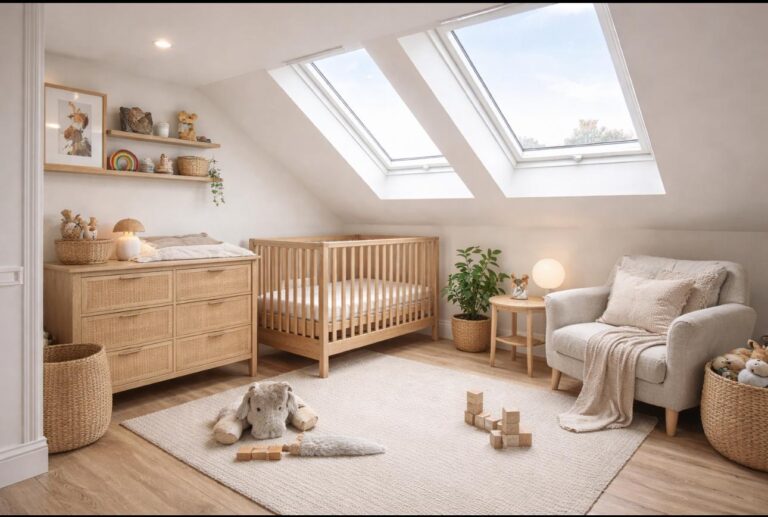
Rooflights bring in excellent daylight, but they can also be a source of heat loss if the specification is poor, or overheating if shading is ignored. We typically plan:
- High-quality glazing
- Sensible window sizes and placement
- Blinds or shading where needed
This matters in streets off Chiswick High Road, around Hammersmith Grove, and in tighter terrace rows where the loft is exposed to sun and wind.
4) Heating design and controls
A new loft room needs heating that is sized correctly. Overheating a loft is a common mistake. We look at:
- Radiator sizing
- Thermostat zoning (so the loft can be controlled separately)
- Efficient controls that match how you use the room
If the loft is used as a home office you may want it warm in the day. If it is a guest room, you may only heat it occasionally.
5) Ventilation and moisture control
Energy efficiency is not just about keeping heat in. It is also about keeping the building healthy. Good ventilation helps prevent:
- Condensation
- Mould
- Damp patches that reduce insulation performance
In West London homes near the Thames, such as Kew, Barnes and Richmond, moisture control can be especially important due to local microclimates and older building fabric.
Comfort benefits you will feel even if the bill savings are modest
Even if your household does not see a dramatic drop in energy bills, a well-built loft conversion often improves comfort. Homeowners commonly notice:
- The top of the house feels less cold and less draughty
- The new loft room holds temperature better
- The home feels more consistent from floor to floor
If you have ever come back from a walk in Gunnersbury Park or along the Thames Path and found the upstairs chilly, improving the roof envelope can make a real difference.
How to design an energy-smart loft conversion in West London
Start with the roof build-up
The roof build-up is the foundation of comfort:
- Insulation that meets current standards
- Careful detailing at eaves and dormer cheeks
- Proper vapour control where required
Avoid “too much glass” without a plan
Rooflights are brilliant, but too many can create overheating in summer. We balance:
- Daylight
- Privacy and overlooking
- Heat loss and heat gain
Plan shading and ventilation for summer
A loft that is warm in winter but unbearable in summer is not a win. We often include:
- Opening rooflights for purge ventilation
- Trickle vents or background ventilation where appropriate
- Blinds or shading solutions
Use zoning so you only heat what you need
Zoning can be a practical way to reduce waste. If the loft is not used all day, you should not have to heat it like the rest of the house.
Common myths about loft conversions and energy bills
- “A loft conversion always reduces bills”
Not always. It can reduce heat loss, but outcomes vary. - “More insulation always means better”
Insulation needs correct detailing and ventilation. Otherwise you can create moisture problems. - “Rooflights make the room cold”
With modern glazing and correct installation, rooflights can perform very well. The key is quality and placement.
FAQs: Loft conversions and energy savings in West London
Will a loft conversion reduce my energy bills?
It can, especially if your current roof space is poorly insulated or draughty. The biggest gains usually come from upgrading insulation and improving air-tightness.
What makes the biggest difference to energy efficiency in a loft conversion?
Insulation quality and continuity, good window specification, and sensible heating controls. Poor detailing can undo good materials.
Can a loft conversion help with draughts on the top floor?
Yes. Many homes feel less draughty after a conversion because the roof envelope is upgraded and sealed more effectively.
Will a loft conversion make the house colder because we are adding more space?
Not necessarily. You are adding a room, but you are also upgrading the roof structure. With correct insulation and heating design, the home can feel more comfortable overall.
How do we stop a loft room overheating in summer?
Plan ventilation and shading early. Opening rooflights, blinds, and correct insulation all help keep temperatures manageable.
Does adding rooflights affect heat loss?
Any window affects heat loss compared to an insulated roof, but modern glazing can perform well. Placement and specification matter.
Is it worth zoning the heating for the loft?
Often, yes. If the loft is used differently to the rest of the house, zoning helps you heat it only when needed.
Do building regulations cover insulation in loft conversions?
Yes. A loft conversion must meet building regulations, including insulation and ventilation requirements.
Next step: design a loft conversion that is warm in winter and comfortable in summer
If you are considering a loft conversion in West London and want a room that feels comfortable year-round, we can talk you through the best approach for your property.
We will assess your roof space, explain the most suitable conversion type, and set out a clear plan that meets building regulations, with fixed pricing, no hidden fees, and an insurance-backed guarantee.
Related Posts
- How to Choose the Right Loft Conversion Package in West London
- Utilising Unused Space for a Loft Conversion in West London
- Creating a Functional Guest Room or Home Office with a Loft Conversion in West London
Potential Savings on Energy Bills with a Loft Conversion in West London
Energy bills are a constant talking point in West London. Even in well-kept period homes around Chiswick, Acton, Ealing, Hammersmith and Fulham, we still see draughty roof spaces, patchy insulation, and heat loss through the top of the house.
A properly designed loft conversion can improve comfort straight away, and in many homes it can also reduce wasted heat. That does not mean every loft conversion automatically slashes your bills. The savings depend on how the existing roof space performs, what insulation is installed, and how the new room is heated and ventilated.
We are Loft Conversion West London. We have specialised exclusively in loft conversions for over 25 years, completing hundreds of projects across West London. In this guide, we will explain where the energy savings can come from, what makes the biggest difference in real homes, and how to design your loft conversion so it is comfortable year-round.
Why the loft is often the biggest source of heat loss
Warm air rises. In many West London homes, especially Victorian and Edwardian terraces, the roof space is the weak point. We regularly see:
- Thin or uneven insulation
- Gaps around hatches, pipes, and wiring
- Cold draughts coming through the eaves
- Poor ventilation that causes condensation, which then affects insulation performance
If you have ever walked upstairs on a cold evening and noticed the top floor feels colder, or the heating seems to run constantly, the roof is often part of the reason.
How a loft conversion can reduce heat loss
A loft conversion involves upgrading the roof structure and creating a habitable room. That typically includes modern insulation and better air-tightness than an old, unused loft.
In simple terms, the energy benefits usually come from:
- Upgraded insulation in the roof slopes and dormer walls
- Better sealing around junctions and penetrations
- Modern windows (rooflights or dormer windows) that perform better than older glazing
- More controlled ventilation, so you get fresh air without uncontrolled draughts
If you are near areas like Turnham Green, Ravenscourt Park, Walpole Park or Shepherd’s Bush, you will know how many homes still have original features. That charm is great, but it often comes with older thermal performance.
The biggest factors that influence energy savings
1) What your loft is like right now
If your existing loft insulation is poor, or has been disturbed over the years, the improvement after a conversion can be noticeable.
If your loft is already very well insulated and sealed, the “energy savings” angle may be less dramatic. You may still gain comfort and better temperature stability in the new room.
2) Insulation specification and installation quality
Insulation is not just about thickness. It is about continuity. We focus on:
- Avoiding gaps and compression
- Treating cold bridges at junctions
- Ensuring insulation works alongside ventilation, not against it
A loft room that is insulated properly should feel warm in winter and less prone to overheating in summer.
3) Windows, rooflights, and shading
Rooflights bring in excellent daylight, but they can also be a source of heat loss if the specification is poor, or overheating if shading is ignored. We typically plan:
- High-quality glazing
- Sensible window sizes and placement
- Blinds or shading where needed
This matters in streets off Chiswick High Road, around Hammersmith Grove, and in tighter terrace rows where the loft is exposed to sun and wind.
4) Heating design and controls
A new loft room needs heating that is sized correctly. Overheating a loft is a common mistake. We look at:
- Radiator sizing
- Thermostat zoning (so the loft can be controlled separately)
- Efficient controls that match how you use the room
If the loft is used as a home office you may want it warm in the day. If it is a guest room, you may only heat it occasionally.
5) Ventilation and moisture control
Energy efficiency is not just about keeping heat in. It is also about keeping the building healthy. Good ventilation helps prevent:
- Condensation
- Mould
- Damp patches that reduce insulation performance
In West London homes near the Thames, such as Kew, Barnes and Richmond, moisture control can be especially important due to local microclimates and older building fabric.
Comfort benefits you will feel even if the bill savings are modest
Even if your household does not see a dramatic drop in energy bills, a well-built loft conversion often improves comfort. Homeowners commonly notice:
- The top of the house feels less cold and less draughty
- The new loft room holds temperature better
- The home feels more consistent from floor to floor
If you have ever come back from a walk in Gunnersbury Park or along the Thames Path and found the upstairs chilly, improving the roof envelope can make a real difference.
How to design an energy-smart loft conversion in West London
Start with the roof build-up
The roof build-up is the foundation of comfort:
- Insulation that meets current standards
- Careful detailing at eaves and dormer cheeks
- Proper vapour control where required
Avoid “too much glass” without a plan
Rooflights are brilliant, but too many can create overheating in summer. We balance:
- Daylight
- Privacy and overlooking
- Heat loss and heat gain
Plan shading and ventilation for summer
A loft that is warm in winter but unbearable in summer is not a win. We often include:
- Opening rooflights for purge ventilation
- Trickle vents or background ventilation where appropriate
- Blinds or shading solutions
Use zoning so you only heat what you need
Zoning can be a practical way to reduce waste. If the loft is not used all day, you should not have to heat it like the rest of the house.
Common myths about loft conversions and energy bills
- “A loft conversion always reduces bills”
Not always. It can reduce heat loss, but outcomes vary. - “More insulation always means better”
Insulation needs correct detailing and ventilation. Otherwise you can create moisture problems. - “Rooflights make the room cold”
With modern glazing and correct installation, rooflights can perform very well. The key is quality and placement.
FAQs: Loft conversions and energy savings in West London
Will a loft conversion reduce my energy bills?
It can, especially if your current roof space is poorly insulated or draughty. The biggest gains usually come from upgrading insulation and improving air-tightness.
What makes the biggest difference to energy efficiency in a loft conversion?
Insulation quality and continuity, good window specification, and sensible heating controls. Poor detailing can undo good materials.
Can a loft conversion help with draughts on the top floor?
Yes. Many homes feel less draughty after a conversion because the roof envelope is upgraded and sealed more effectively.
Will a loft conversion make the house colder because we are adding more space?
Not necessarily. You are adding a room, but you are also upgrading the roof structure. With correct insulation and heating design, the home can feel more comfortable overall.
How do we stop a loft room overheating in summer?
Plan ventilation and shading early. Opening rooflights, blinds, and correct insulation all help keep temperatures manageable.
Does adding rooflights affect heat loss?
Any window affects heat loss compared to an insulated roof, but modern glazing can perform well. Placement and specification matter.
Is it worth zoning the heating for the loft?
Often, yes. If the loft is used differently to the rest of the house, zoning helps you heat it only when needed.
Do building regulations cover insulation in loft conversions?
Yes. A loft conversion must meet building regulations, including insulation and ventilation requirements.
Next step: design a loft conversion that is warm in winter and comfortable in summer
If you are considering a loft conversion in West London and want a room that feels comfortable year-round, we can talk you through the best approach for your property.
We will assess your roof space, explain the most suitable conversion type, and set out a clear plan that meets building regulations, with fixed pricing, no hidden fees, and an insurance-backed guarantee.