
Most homes in West London have one thing in common. There is valuable space sitting above the ceiling line that is not doing very much. It might be full of boxes, old suitcases, or Christmas decorations. It might be a dusty void that nobody goes into. Either way, it is space you already own.
A loft conversion is about turning that unused roof space into a proper, comfortable room that works for everyday life. Done well, it feels like it has always been part of the house. It is warm in winter, cool enough in summer, quiet, bright, and genuinely useful.
We are Loft Conversion West London. We have specialised exclusively in loft conversions for over 25 years, completing hundreds of projects across Ealing, Acton, Chiswick, Hammersmith, Fulham, Richmond, Kew, Brentford, Hanwell, Greenford, Northolt, Ruislip and Uxbridge. In this guide, we will explain how to make the most of unused loft space, what to consider before you start, and how to plan a layout that adds real value.
Why unused loft space is such a big opportunity in West London
West London homes, especially Victorian and Edwardian terraces, were not designed for modern living. Families now need home offices, guest rooms, extra bathrooms, and flexible space for teenagers. At the same time, moving locally can be expensive and stressful.
If you live near places like Walpole Park, Pitshanger Lane, Ravenscourt Park, Turnham Green, Chiswick High Road, Hammersmith Broadway, Gunnersbury Park, Kew Bridge or Richmond Green, you already know how quickly house prices and moving costs add up.
A loft conversion often makes sense because:
- You keep your location, neighbours, and school catchment
- You do not sacrifice garden space
- You can add a bedroom and potentially an en-suite
- You can create a dedicated work space without taking over the dining table
What counts as unused space in a loft conversion
Unused loft space is not just the floor area you can stand on. It includes:
- The volume under the roof slopes (which can become storage or part of the room)
- The area around the chimney breast (often a design feature or storage opportunity)
- The eaves (ideal for built-in cupboards and drawers)
- The landing and stair zone (where smart stair design can unlock a better layout)
The goal is to turn awkward, low, dark space into something that feels intentional.
Step one: is your loft space suitable?
Before we talk design ideas, suitability matters. We always start with a practical assessment.
Head height and roof shape
Head height is one of the biggest factors. Many West London properties have enough height for a comfortable conversion, but not all.
- Traditional cut roofs are often easier to convert
- Truss roofs can be converted, but they usually need more structural work
Even if the loft feels tall now, insulation and a new floor build-up reduce headroom, so it needs to be assessed properly.
Access for stairs
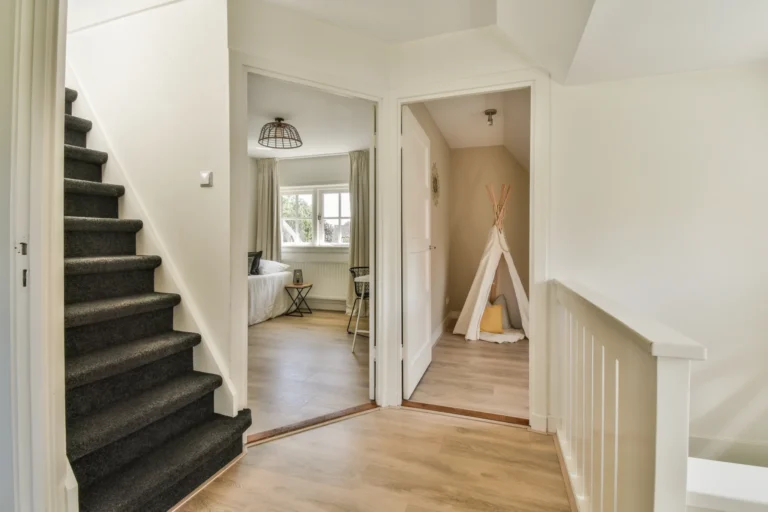
A loft conversion is only as good as the stair design. We typically aim to take stairs from the existing first-floor landing. That keeps the flow natural and protects privacy.
In tighter terraces around Acton, Chiswick and parts of Hammersmith, stair design is where experience really shows.
Planning position
Many rear dormers fall under permitted development, but there are exceptions. Planning permission may be needed if:
- You are in a conservation area
- Your street has an Article 4 direction
- The design exceeds permitted development limits
- You want changes to the front roof slope
We always recommend getting clarity early, especially in character areas like Bedford Park.
How we turn unused loft space into a room that feels proper
A loft conversion should not feel like a compromise. The best ones feel like a natural extension of the home.
Create a layout that works with the roof slopes
Roof slopes are not a problem if the layout is planned around them. Common approaches include:
- Putting the bed where headroom is highest
- Using lower areas for built-in storage
- Positioning the bathroom where services can run efficiently
Use eaves storage to keep the room calm
One of the simplest ways to make a loft feel high-end is to keep it uncluttered. Eaves storage is perfect for:
- Suitcases and seasonal items
- Children’s toys
- Linen and towels
- Filing and paperwork
We often design storage so it feels built-in, not like an afterthought.
Bring in the right natural light
Light changes everything in a loft. Options include:
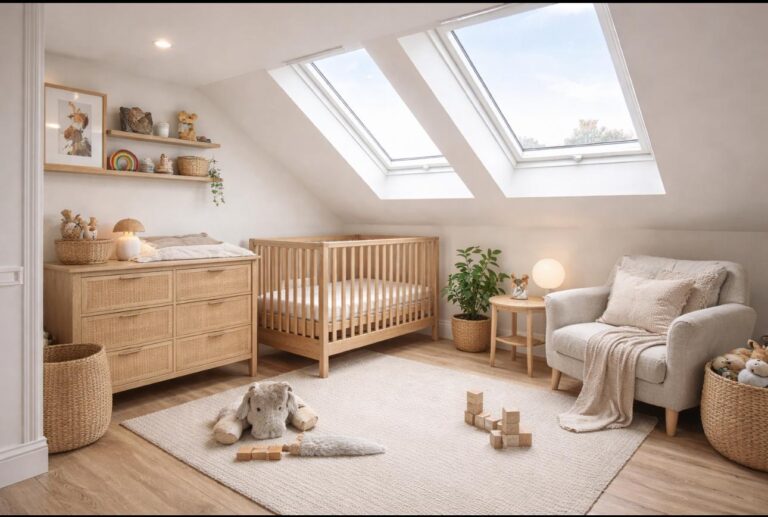
- Rooflights for clean, modern daylight
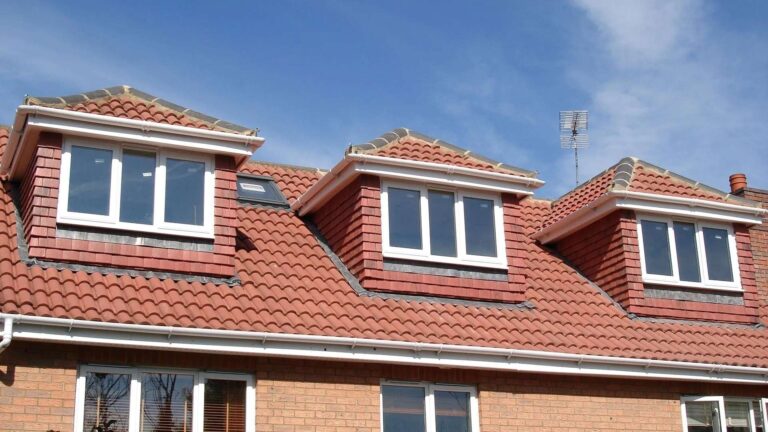
- Dormer windows for more headroom and a brighter room
- Carefully positioned glazing to avoid overlooking issues
In streets near Chiswick Common, Turnham Green and Gunnersbury Triangle, we often find that thoughtful window placement makes the difference between a loft that feels average and one that feels exceptional.
Make comfort non-negotiable
Unused loft space becomes truly usable when it is comfortable. We focus on:
- Insulation performance
- Ventilation to reduce condensation risk
- Heating design that suits the room
- Sound insulation where it matters
A loft that is too hot in summer or too cold in winter will never feel like a real part of the home.
Best ways to use loft space in West London homes
Every family is different, but these are the most common and most valuable uses.
A master bedroom with en-suite
This is one of the most popular options in West London. It can free up the first floor for children’s bedrooms and create a calmer, more private space.
If you are near busy routes like Chiswick High Road or around Shepherd’s Bush, good sound insulation and smart window choices can make a big difference to how the room feels.
A guest room that does not disrupt the rest of the house
A loft guest room works well because it gives visitors privacy. Adding a small shower room can make it even more practical.
A dedicated home office
A loft office is ideal when:
- You need quiet for calls
- You want separation between work and family life
- You need storage for equipment or paperwork
With the right lighting and layout, it becomes a space you actually want to use.
A teenager’s room or studio-style space
As children get older, they often want more independence. A loft conversion can create a bedroom plus a small lounge zone, which can reduce pressure on the rest of the house.
A hobby room or creative studio
We have created loft spaces for music, art, fitness, and reading. The key is to plan storage, lighting, and acoustics properly.
Dormer vs rooflight: which makes better use of unused space?
Rooflight conversions
Rooflight conversions can be brilliant when the loft already has good headroom. They keep the external look of the roof largely the same and can be cost-effective.
Dormer conversions
Dormers are often the best way to unlock truly usable floor area, especially in terraces. They create a more square room and make layouts much easier.
In many West London streets, a rear dormer is the most practical route to turning unused space into a room that feels generous.
West London layout examples: making awkward lofts work
Victorian terraces in Acton, Chiswick and parts of Hammersmith
Many Victorian terraces around Acton Park, Acton Green Common, Chiswick High Road, Turnham Green Station and Ravenscourt Park have a similar roof shape and footprint.
Common value-focused layouts include:
- Rear dormer master bedroom with en-suite
- Eaves storage running along both sides
- A small landing zone at the top of the stairs for wardrobes or a desk
Where the party wall lines are tight, we plan storage and bathroom placement carefully so the room feels wide enough.
Edwardian and 1930s homes in Ealing, Hanwell and Greenford
In areas near Walpole Park, Pitshanger Lane, Northfields, South Ealing Station, Hanwell Clock Tower and Greenford Broadway, we often see slightly wider homes with better stair options.
That can allow:
- A larger bedroom plus a separate office nook
- Better bathroom positioning for comfortable headroom
- More generous storage without compromising the main room
Semi-detached homes in Brentford, Hounslow, Ruislip and Uxbridge
Around Brentford High Street, Kew Bridge, Hounslow Heath, Ruislip High Street and Uxbridge town centre, semi-detached homes can be ideal for hip-to-gable or larger dormer solutions.
Space-maximising ideas include:
- Hip-to-gable to widen the loft
- A full-width rear dormer for a true master suite
- A dedicated laundry cupboard in the eaves
Homes in premium pockets: Richmond, Kew and Barnes
Near Richmond Green, Kew Gardens, Barnes Common and the Thames Path, buyers tend to expect a loft conversion to feel high-end.
We often recommend:
- Better lighting design (layered lighting, feature pendants, wall lights)
- Higher quality joinery for eaves storage
- Quiet comfort upgrades (acoustic insulation, thoughtful window choices)
The hidden value: improving the whole house, not just the loft
A good loft conversion can improve how the entire home works.
- You can re-balance bedroom sizes
- You can create a better family bathroom arrangement
- You can reduce clutter by adding storage
- You can create a more logical flow between floors
We often see homeowners in Ealing, Brentford and Richmond use the loft conversion as the moment to make the home feel more finished overall.
A practical checklist: how to maximise space without making it feel cramped
Before finalising drawings, we run through a simple checklist:
- Keep the main bedroom zone in the highest headroom area
- Use low slope areas for storage, not circulation
- Avoid putting doors where headroom is tight
- Plan furniture early so sockets and lighting land in the right places
- Design the bathroom around comfortable standing space
- Make sure the stair top feels open, not squeezed
Common mistakes when trying to maximise loft space
These are the issues that can stop a loft from feeling truly usable:
- Trying to squeeze in too much and ending up with cramped rooms
- Ignoring stair design and losing a key first-floor room
- Underestimating storage needs
- Poor lighting design leading to dark corners
- Cutting corners on insulation and ventilation
A loft conversion is a technical project. The details matter.
Why specialist experience matters for space planning
Loft conversions are not general building work. They involve structure, fire safety, insulation performance, and careful planning.
We manage projects with:
- A dedicated project manager
- Fixed pricing with no hidden fees
- Full support through planning and building regulations
- An insurance-backed guarantee
That structure is what keeps the build on track and the finish quality high.
FAQs: Using unused loft space in West London
How do we know if our loft space is big enough for a conversion?
The best starting point is head height and roof shape. Many West London homes are suitable, but it needs a proper assessment because insulation and new floor structure reduce available height.
What is the best room to put in a loft conversion?
A master bedroom with en-suite is often the strongest option for both lifestyle and value. A home office is also popular. The right choice depends on how you use the rest of the house.
Will we lose storage if we convert the loft?
Not if it is designed properly. We typically build eaves storage into the conversion so you gain usable storage, not lose it.
Is a dormer always better than rooflights?
Not always. Rooflights can work brilliantly when the loft already has good headroom. Dormers are often better when you need more usable floor area and a more practical layout.
Can we add a bathroom in the loft?
In many cases, yes. The key is planning drainage routes, ventilation, and layout so the bathroom feels comfortable and practical.
Do we need planning permission to convert unused loft space?
Many conversions fall under permitted development, but not all. Conservation areas and Article 4 directions can change what is allowed, so it is important to check early.
How long does it take to turn unused loft space into a finished room?
A typical loft conversion build phase is often several weeks, but the full timeline depends on design, approvals, and the type of conversion.
How do we make the loft feel like part of the house?
Stair placement, consistent finishes, good light, and a layout that makes sense from the landing are the biggest factors.
What is the best way to use awkward eaves space?
Built-in cupboards, drawers, and sliding access panels are usually the best approach. We design eaves storage so it is easy to use and does not waste the best headroom.
Can we convert a loft if we have a truss roof?
Yes in many cases, but it often needs more structural work. A proper survey and structural design will confirm what is possible.
Next step: a practical loft space assessment
If you are looking at your loft and wondering what is possible, the best next step is a proper assessment of head height, roof structure, stair options, and the planning position.
We will talk you through the most space-efficient layout options for your property and explain the best route to turning unused loft space into a room you will genuinely use.