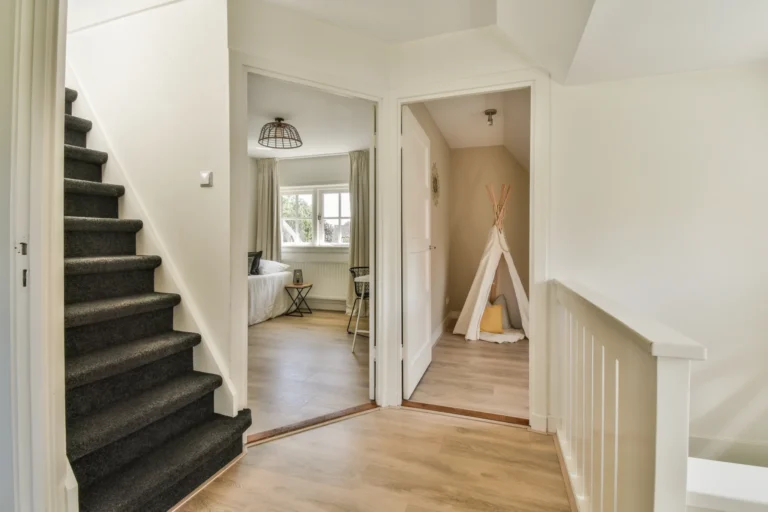

If you are about to start a loft conversion in West London, a bit of preparation makes the whole build feel calmer.
Most of the stress homeowners experience is not the work itself. It is the day-to-day disruption, the dust, the noise, and the feeling that the house is not quite under control.
The good news is that you can reduce a lot of that with a simple plan.
We are Loft Conversion West London. We have specialised exclusively in loft conversions for over 25 years, completing hundreds of projects across Ealing, Acton, Chiswick, Hammersmith, Fulham, Richmond, Kew, Brentford, Hanwell, Greenford, Northolt, Ruislip and Uxbridge. We work on fixed pricing with no hidden fees, every project has a dedicated project manager, and our work is backed by a 5-year insurance-backed guarantee through HIG, with warranties up to 10 years.
In this guide, we will give you a practical checklist to prepare your home for a loft conversion, with specific notes for West London properties where access, parking, and neighbours can make a real difference.
The Goal: Reduce Disruption and Protect Your Home
A loft conversion is a major structural project, but most of the work happens above you. Preparation is about:
- Protecting your home (floors, stairs, furniture)
- Making access easy for the team
- Keeping your family safe and comfortable
- Avoiding delays caused by missing decisions
- Keeping neighbours on side
1) Confirm the Scope and What Is Included (Before Anything Starts)
Before you prepare the house, make sure you are clear on what the builder is doing. Confirm in writing:
- The loft conversion type and layout
- Whether a bathroom is included
- Whether decorating is included
- What areas will be affected (staircase, landing, ceilings)
- What making good is included
- Waste removal and skip arrangements
If the scope is vague, you will not know what to prepare for.
2) Decide Key Finishes Early (This Prevents Delays)
Late decisions are one of the biggest causes of delays. Before the build starts, aim to decide:
- Bathroom layout and sanitaryware (if applicable)
- Tiles and flooring preferences
- Lighting style and positions
- Socket locations and data points
- Door style and ironmongery
Even if you do not choose every exact item, you want clear direction so first fix does not stall.
3) Clear Access Routes (Especially Important in West London)
In many West London homes, access is tight. Do this before day one:
- Clear hallways, landings, and stairs
- Remove pictures and mirrors from stair walls
- Move fragile items away from access routes
- Identify where materials can be stored safely
If you are in a terrace in Acton, Chiswick, Hammersmith or Fulham, the staircase and hallway are often narrow. Keeping them clear helps the build run smoothly.
4) Protect Floors, Stairs, and High-Traffic Areas
Even tidy builders create wear and tear if protection is not planned. Ask what protection will be used, and consider:
- Temporary floor protection on stairs and landings
- Dust sheets for furniture in nearby rooms
- Protection for banisters and handrails
- Doorway protection where boards are carried through
A good team will plan this, but it helps to remove anything valuable or delicate from the route.
5) Create a “Safe Zone” Room
Most families find it helpful to keep one room as a calm, dust-controlled space. Choose a room that is:
- Away from the stairs if possible
- Easy to close off
- Used for work, school, or downtime
If you work from home in Richmond, Kew or Ealing, this can make the whole project feel more manageable.
6) Plan for Noise and Working Hours
Loft conversions are noisy at certain stages. Before the build starts, confirm:
- Working days and hours
- When the noisiest work is likely to happen
- How updates will be communicated
If you have young children, pets, or important work calls, you can plan around the loudest days.
7) Talk to Your Neighbours Early (It Makes Life Easier)
In West London, neighbours are close. A simple, polite heads-up can prevent complaints later. Consider:
- Letting neighbours know the start date and expected duration
- Sharing working hours
- Confirming scaffolding and skip placement
- Being proactive if you share a party wall
If you are in a terraced street near Chiswick High Road, Turnham Green, Shepherd’s Bush, or Fulham Broadway, neighbour relationships matter because everyone is close together.
8) Check Parking, Permits, and Logistics
This is a big one in West London. Confirm:
- Where the skip will go
- Whether you need a permit for the skip
- Whether scaffolding affects the pavement
- Where the team can park (or if parking is restricted)
If logistics are not planned, the first week can be chaotic.
9) Prepare for the Staircase Stage (The Biggest Internal Disruption)
The staircase is often the point where disruption inside the house increases. You may need to prepare for:
- Dust when the opening is formed
- Temporary loss of access to parts of the landing
- Changes to lighting or ceilings below
Ask your project manager:
- When the staircase opening will be formed
- How long that stage will take
- What protection will be used
10) Make a Plan for Pets and Children
Safety matters. Consider:
- Keeping pets away from work areas
- Setting clear boundaries for children
- Planning school runs and routines around deliveries
- Keeping tools and materials out of reach
A professional team will keep the site safe, but your routines matter too.
11) Confirm How Communication Will Work
This is one of the easiest ways to reduce stress. Agree:
- Who your main contact is (ideally a dedicated project manager)
- How often you will get updates
- How decisions are confirmed (written confirmation helps)
- What happens if you have a concern
Clear communication prevents small issues becoming big ones.
12) Prepare for Dust Properly (Realistic Expectations)
Even with good protection, some dust is normal. Practical steps:
- Keep doors closed where possible
- Use draft excluders on key rooms
- Cover items you care about
- Consider an air purifier for sensitive households
The goal is not zero dust. The goal is controlled dust.
A Simple Pre-Start Checklist (Copy and Paste)
Use this list the week before work starts:
- Confirm scope, inclusions, and exclusions in writing
- Confirm start date, working hours, and programme
- Decide key finishes (bathroom, tiles, lights, sockets)
- Clear stairs, landing, and hallway access routes
- Remove pictures and fragile items from stair walls
- Protect floors and furniture near access routes
- Set up a safe zone room
- Inform neighbours and confirm party wall steps if needed
- Confirm skip and scaffolding logistics and permits
- Plan for pets and children
- Confirm communication routine with your project manager
How We Help Homeowners Prepare in West London
We keep preparation simple and structured:
- Clear programme and weekly updates
- Dedicated project manager for every loft conversion
- Fixed pricing with no hidden fees
- Proper site protection and tidy working practices
- Planned logistics for tight West London streets
- Work backed by a 5-year insurance-backed guarantee through HIG, with warranties up to 10 years
That is how we help homeowners across Ealing, Acton, Chiswick, Hammersmith, Fulham and Richmond start the build feeling in control.
FAQs: Preparing for a Loft Conversion in West London
Do we need to move out during a loft conversion?
In most cases, no. Many homeowners stay in the property. The key is preparing for disruption and understanding when internal access will be affected.
What is the most disruptive part of the build?
Often the staircase stage, because it affects the floor below and can create dust and temporary access changes.
When should we choose bathroom items and lighting?
Before first fix starts. Early decisions help keep the programme moving.
How do we keep dust down?
Good site protection and tidy working practices help, but you should also cover valuables and keep doors closed where possible. Controlled dust is the realistic goal.
Should we tell our neighbours?
Yes. A quick heads-up helps keep relationships positive, especially in terraced streets where everyone is close.
What about parking and skips in West London?
It needs planning. Many areas have restrictions, so confirm permits and placement early to avoid delays.
How often should we expect updates?
A well-run project should provide regular updates, ideally weekly or more often during key stages.
What should we do if we are worried about something during the build?
Raise it early with your project manager. Most issues are easy to fix when caught early.
Next Step: Start with a Clear Plan
If you are preparing for a loft conversion in West London, we can guide you through the process and make sure you know what to expect.
We will provide a detailed scope, fixed pricing with no hidden fees, and a dedicated project manager. Our work is backed by a 5-year insurance-backed guarantee through HIG, with warranties up to 10 years.
If you are in Ealing, Acton, Chiswick, Hammersmith, Fulham, Richmond, Kew, Brentford, Hanwell, Greenford, Northolt, Ruislip or Uxbridge, get in touch and we will guide you through the next steps.