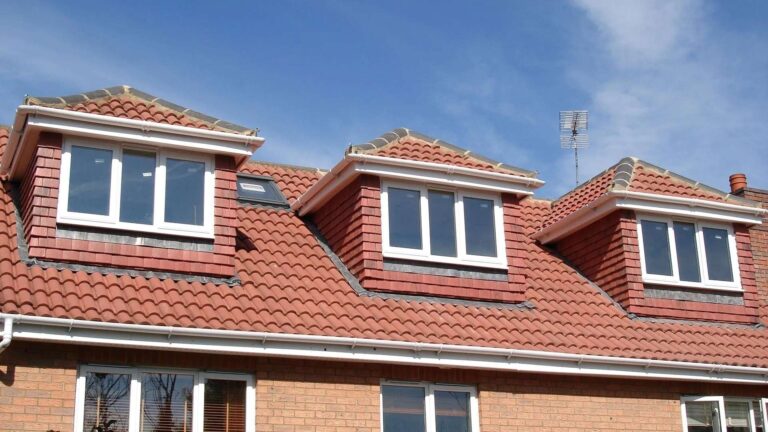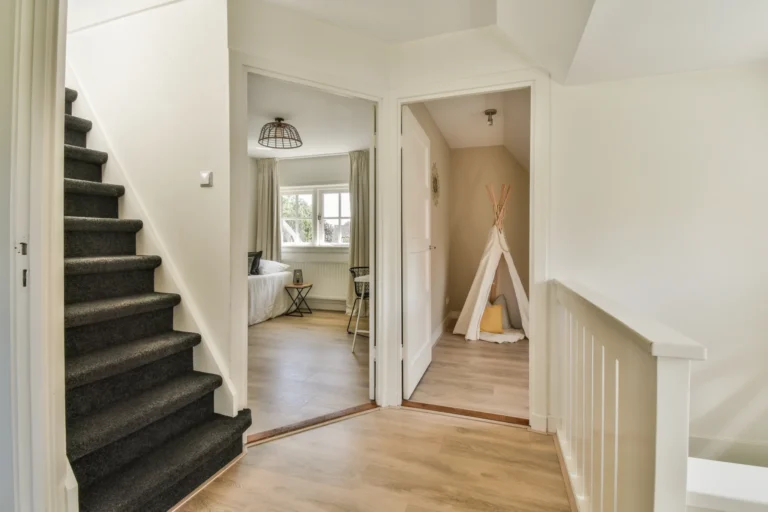

If you are planning a loft conversion in West London, you are probably trying to picture what day-to-day life will actually look like while the work is happening. Most homeowners are fine with disruption if they know what is coming. The stress usually comes from uncertainty.
We are Loft Conversion West London. We have specialised exclusively in loft conversions for over 25 years, completing hundreds of projects across Ealing, Acton, Chiswick, Hammersmith, Fulham, Richmond, Kew, Brentford, Hanwell, Greenford, Northolt, Ruislip and Uxbridge. We work on fixed pricing with no hidden fees, every project has a dedicated project manager, and our work is backed by a 5-year insurance-backed guarantee through HIG, with warranties up to 10 years.
In this guide, we will walk you through what to expect during each week of a typical loft conversion build in West London, including when the noisy parts happen, when you will lose access to certain areas, and how a well-managed project keeps disruption under control.
First, a Quick Note on Timelines
Every loft conversion is different, but many West London projects follow a build stage of around 6 to 10 weeks, depending on:
- Conversion type (Velux, dormer, hip-to-gable, mansard)
- Whether you are adding a bathroom
- Access and logistics (parking, scaffolding, skip placement)
- The complexity of the roof structure
This week-by-week guide is written for a typical dormer-style build, but the sequence is similar for most conversions.
Week 1: Site Set-Up, Scaffolding, and Opening Up
This is when the project becomes real.
What Usually Happens:
- Scaffolding goes up
- Materials start arriving
- The team sets up site protection
- Initial structural opening up begins (depending on design)
What It Feels Like at Home:
- Activity outside the house increases
- There is noise from scaffolding and deliveries
- Disruption inside is usually limited at this stage
In West London streets around Chiswick, Hammersmith and Fulham, logistics matter. A good team plans deliveries and skip placement properly to avoid constant disruption.
Week 2: Structural Works and Floor Strengthening
This is the heavy structural phase.
What Usually Happens:
- Steelwork installation (as designed by the structural engineer)
- Strengthening of the existing loft floor
- Forming the new floor structure
What It Feels Like at Home:
- More noise and vibration
- Trades moving materials through the property (depending on access)
- You may need to keep certain areas clear
A dedicated project manager should keep you updated on what is happening and what you need to do that week.
Week 3: Roof Alterations and Building the Main Structure
This is where the new space starts to take shape.
What Usually Happens:
- Dormer framework begins (or roof alterations for other types)
- External structural work continues
- Weatherproofing steps begin
What It Feels Like at Home:
- Noise continues, but most work is still above
- You may notice more dust, especially if access is through the house
If you are in a terraced home in Acton or Ealing, neighbour communication is important at this stage. Good site behaviour matters.
Week 4: Making the Roof Watertight and Fitting Windows
This is a key milestone.
What Usually Happens:
- Roof coverings and flashings completed
- Rooflights and dormer windows installed
- External shell becomes secure
What It Feels Like at Home:
- The project starts to feel more controlled
- Less weather risk
- You can often see real progress daily
Once the roof is watertight, the internal fit-out can move forward smoothly.
Week 5: First Fix Electrics, Plumbing, and Ventilation
This is the services stage.
What Usually Happens:
- Electrical cabling and back boxes installed
- Plumbing runs installed (if you have a bathroom)
- Extractor fans and ventilation routes planned
- Smoke alarm interlinking prepared
What It Feels Like at Home:
- Trades moving in and out more
- Decisions matter here (lighting positions, sockets, bathroom layout)
If you delay decisions, this is where timelines can slip.
Week 6: Insulation, Plasterboarding, and Internal Structure
This is when the loft starts to look like a room.
What Usually Happens:
- Insulation installed to meet building regulations
- Stud walls formed
- Plasterboarding completed
- Preparation for plastering
What It Feels Like at Home:
- Less heavy noise, more steady work
- Dust can increase during boarding
Building control inspections may happen around this stage, depending on the programme.
Week 7: Plastering and Drying Time
This is a messy week, but it is a big step forward.
What Usually Happens:
- Plastering of walls and ceilings
- Drying time begins
What It Feels Like at Home:
- Wet plaster smell and humidity
- Less drilling, but lots of movement
- You may need ventilation and heating managed properly
A good team will plan drying time so it does not stall the project.
Week 8: Second Fix Joinery, Electrics Fit-Off, and Bathroom Fit-Off
This is where the finish starts to appear.
What Usually Happens:
- Doors, skirting, architraves fitted
- Sockets, switches, and lights fitted
- Bathroom installation progresses (if applicable)
- Staircase fitting often happens around this period (timing varies)
What It Feels Like at Home:
- Less disruption, more visible progress
- More decisions on finishes if not already confirmed
If you are working from home in Richmond or Kew, this is often the stage where the disruption starts to feel more manageable.
Week 9: Decorating, Final Details, and Snagging
Depending on your scope, decorating may be included or you may handle it separately.
What Usually Happens:
- Final carpentry adjustments
- Sealants and finishing touches
- Snagging list created and addressed
- Final building control checks arranged
What It Feels Like at Home:
- The house starts returning to normal
- Less noise
- More cleaning and making good
Week 10: Completion, Certificates, and Handover
This is the final stage.
What Usually Happens:
- Final inspection and sign-off
- Completion certificates provided
- Handover and final walkthrough
- Any remaining snagging agreed
What It Feels Like at Home:
- Relief
- A usable new room
- A clear end point
When the Staircase Happens (and Why It Matters)
The staircase is often the moment homeowners notice the biggest change. Forming the stair opening can create:
- Noise
- Dust
- Temporary disruption to the floor below
A good programme plans this carefully and keeps the disruption as short as possible.
How We Reduce Disruption on West London Loft Conversions
We keep disruption under control by focusing on:
- Clear weekly updates from a dedicated project manager
- Proper site protection and tidy working practices
- Planned deliveries and logistics for tight West London streets
- A structured programme with clear milestones
- Fixed pricing with no hidden fees, so changes are controlled
That is how we help homeowners across Ealing, Acton, Chiswick, Hammersmith, Fulham and Richmond get through the build stage with less stress.
FAQs: What to Expect During a Loft Conversion Build
Will we be able to live in the house during the build?
In most cases, yes. Early stages are often accessed via scaffolding, so disruption inside can be limited. The biggest disruption usually comes when the staircase is formed.
When is the noisiest part of the build?
Structural works and opening up stages are usually the noisiest, often in weeks 1 to 3 depending on the project.
When do we need to choose lights and bathroom items?
Ideally before first fix (around weeks 4 to 5). Late decisions can cause delays.
How much dust should we expect?
There will be some dust, especially when openings are formed and during plasterboarding. Good site protection and tidy working practices make a big difference.
When do building control inspections happen?
Inspections happen at key stages, such as structural works, insulation, and completion. Your builder should manage this and keep you informed.
What happens if we want to change something mid-build?
Changes should be agreed in writing before work proceeds. A clear variation process helps you stay in control of cost and timeline.
How do we keep disruption down with neighbours close by?
Good communication, respectful working hours, tidy site behaviour, and careful logistics planning are key, especially in terraced streets.
What do we receive at the end of the project?
You should receive building regulations sign-off and any relevant certificates. This protects you for safety and future resale.
Next Step: Get a Clear Programme and Weekly Plan
If you want a clear, realistic week-by-week plan for your loft conversion in West London, we can assess your roof space and talk you through what to expect. We will provide a detailed scope, fixed pricing with no hidden fees, and a dedicated project manager. Our work is backed by a 5-year insurance-backed guarantee through HIG, with warranties up to 10 years.
If you are in Ealing, Acton, Chiswick, Hammersmith, Fulham, Richmond, Kew, Brentford, Hanwell, Greenford, Northolt, Ruislip or Uxbridge, get in touch and we will guide you through the next steps.