
Lighting is one of the biggest factors in whether a loft conversion feels like a proper, comfortable room or a slightly awkward space at the top of the house.
In West London, we often see homeowners focus on layout first, then treat lighting as a finishing detail. In reality, lighting should be part of the design from day one because it affects how the space feels, how you place furniture, and even how large the room appears.
We are Loft Conversion West London. We have specialised exclusively in loft conversions for over 25 years, completing hundreds of projects across Ealing, Acton, Chiswick, Hammersmith, Fulham, Richmond, Kew, Brentford, Hanwell, Greenford, Northolt, Ruislip and Uxbridge. Every project has a dedicated project manager, we work on fixed pricing with no hidden fees, and our work is backed by a 5-year insurance-backed guarantee through HIG, with warranties up to 10 years.
In this guide, we will explain the best loft conversion lighting ideas for West London homes, including the real differences between rooflights and dormers, how to combine natural and artificial light, and the common mistakes to avoid.
Start with the goal: bright, balanced, and practical
A well-lit loft conversion usually has:
• Strong natural light during the day
• Even artificial light in the evening
• Task lighting where you need it (desk, bedside, bathroom)
• A layout that avoids dark corners
The aim is not just brightness. It is comfort.
Rooflights vs dormers: what is the real difference?
Homeowners often ask which is better. The honest answer is that rooflights and dormers do different jobs.
Rooflights (simple, clean, and often cost-effective)
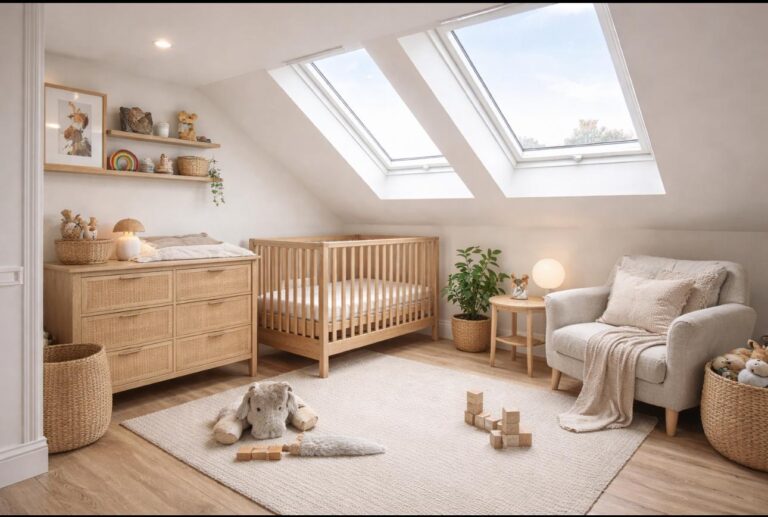
Rooflights sit within the existing roof slope. They are popular because they:
• Bring in excellent natural light
• Keep the external look of the roof relatively simple
• Often suit permitted development rules (depending on your property and location)
• Work well for front roof slopes in many West London streets
Rooflights are a great choice when you already have enough head height and you want a bright, modern feel.
Dormers (more usable space and more flexibility)
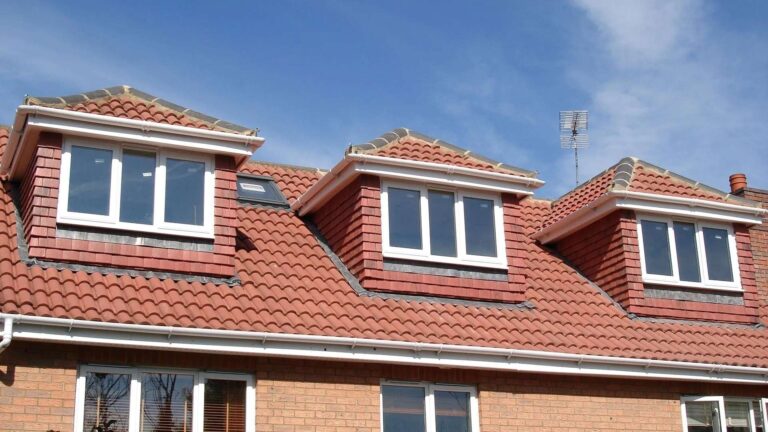
Dormers project out from the roof. They are popular because they:
• Add head height
• Increase usable floor area
• Make layouts easier (especially for bedrooms and en suites)
• Allow larger windows, which can improve ventilation and views
In many West London terrace loft conversions, a rear dormer is one of the most practical ways to create a proper bedroom and bathroom.
When rooflights are the best option in West London
Rooflights work particularly well when:
• Your loft already has decent head height
• You want a simpler build with fewer external changes
• You are creating a home office or guest room
• You are in an area where keeping the roofline subtle matters
In places like Chiswick, Hammersmith, Fulham, and parts of Richmond, keeping the front roof slope tidy can be important for the overall look of the street.
Best rooflight placement tips
• Use more than one rooflight to balance the light
• Place rooflights to reduce shadows, not just centred in the roof
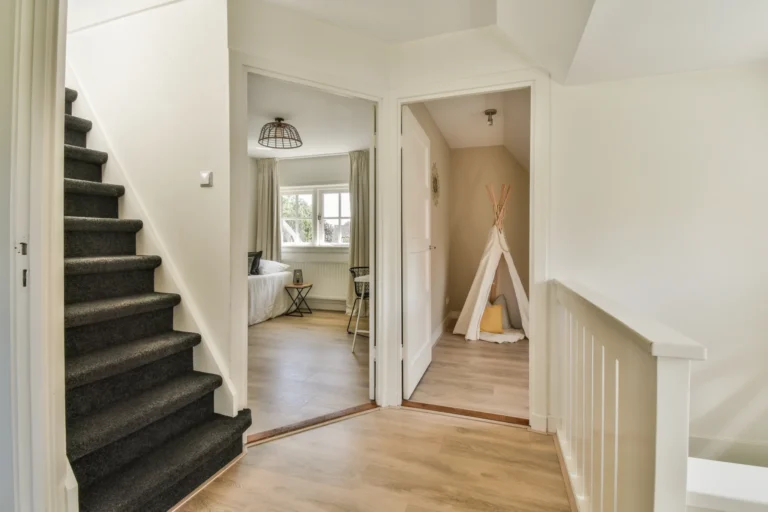
• Consider one rooflight over the stairs to bring daylight down into the landing
• Use a rooflight in the bathroom to make it feel bigger
A single rooflight can still leave a loft feeling uneven. Two or three well-placed rooflights often feels far better.
When a dormer is the best option in West London
A dormer is often the best choice when:
• You want a main bedroom with an en suite
• You need more head height to make the room practical
• You want full-height windows and better ventilation
• You want a layout that feels like a normal room, not a converted roof space
In Victorian and Edwardian terraces across Acton, Ealing, Chiswick, Hammersmith and Fulham, a rear dormer can transform the loft into a genuinely comfortable bedroom.
Dormer window tips
• Consider window size and placement for privacy (especially in terraced streets)
• Use glazing that suits the style of the property
• Think about blackout blinds early for bedrooms
The best approach for many West London loft conversions: combine both
A very common and effective approach is:
• Rear dormer for space and head height
• Rooflights on the front slope for balanced natural light
This can create:
• A bright bedroom
• A well-lit landing and stairs
• A bathroom with natural daylight
It also helps the loft feel connected to the rest of the home.
Artificial lighting: what you need for a loft conversion
Natural light is only half the story. A loft conversion needs good artificial lighting because:
• Evenings matter
• Winter days are shorter
• Some loft zones will always be darker
Layer your lighting
A simple, effective plan is:
• Ambient lighting: general light for the room
• Task lighting: reading, desk work, mirrors
• Accent lighting: to add warmth and make the room feel finished
Downlights vs pendant lights
Downlights are common in lofts because they:
• Work well with sloping ceilings
• Keep things clean and minimal
• Provide even light
Pendant lights can work too, but they need careful placement so they do not feel awkward under slopes.
Wall lights and bedside lighting
Wall lights are a great option because they:
• Save space on bedside tables
• Add a softer feel than downlights alone
• Make bedrooms feel calmer
Lighting for loft bathrooms
A good bathroom lighting plan usually includes:
• Bright mirror lighting (practical)
• Downlights for general light
• A rooflight if possible for daytime brightness
Bathrooms in lofts can feel surprisingly spacious if they are well lit.
Common loft lighting mistakes (and how to avoid them)
- Relying on one rooflight
One rooflight often creates a bright patch and darker corners.
Better:
• Use multiple rooflights for balance
- Not lighting the stairs and landing properly
A loft conversion changes how you use the top floor. If the landing is dark, the whole conversion can feel less welcoming.
Consider:
• A rooflight over the stairs
• Good downlights on the landing
- Forgetting blinds early
Bedrooms need blackout options. Plan blinds early so you do not end up with:
• Poor sleep
• Awkward temporary solutions
- Too many downlights
Downlights are useful, but too many can feel harsh.
Balance them with:
• Wall lights
• Lamps
• Softer lighting zones
Lighting ideas for common West London loft uses
Main bedroom with en suite
• Rear dormer windows for space and daylight
• Rooflights on the front slope for balance
• Wall lights by the bed
• Mirror lighting in the en suite
Home office loft
• Rooflights positioned to reduce screen glare
• Task lighting at the desk
• Even ambient lighting for video calls
This is popular with homeowners working from home in Ealing, Chiswick, and Fulham.
Children’s loft bedroom
• Blackout blinds
• Softer lighting options for bedtime
• Good task lighting for homework
A practical loft lighting checklist (copy and paste)
Use this when planning loft conversion lighting:
• Decide whether you need space (dormer) or light (rooflights), or both
• Plan rooflight and window placement to balance daylight
• Consider a rooflight over the stairs to brighten the landing
• Plan blackout blinds early for bedrooms
• Layer artificial lighting (ambient, task, accent)
• Avoid overloading the ceiling with downlights
• Include proper mirror lighting in bathrooms
• Confirm switch locations and lighting zones early
How we plan loft lighting in West London
Because we specialise exclusively in loft conversions, we design lighting around real living.
We focus on:
• Practical window and rooflight placement
• Layouts that avoid dark corners
• Lighting plans that feel warm, not clinical
• Clear decisions early so the build stays on programme
Every project has a dedicated project manager, we work on fixed pricing with no hidden fees, and our work is backed by a 5-year insurance-backed guarantee through HIG, with warranties up to 10 years.
FAQs: loft conversion lighting in West London
Are rooflights enough for a loft conversion?
Sometimes, yes, especially if you already have good head height and you want a bright, simple space. But many homeowners combine rooflights with a dormer for the best result.
Do dormers make a loft conversion brighter?
They can, especially because they allow larger windows. But the main benefit of a dormer is usually extra head height and usable space.
What is the best lighting for a loft bedroom?
A mix of natural light, downlights for general lighting, and wall lights for softer bedside lighting usually works best.
Should we put a rooflight over the stairs?
Often yes. It can bring daylight into the landing and make the whole top floor feel brighter.
Do we need blackout blinds in a loft conversion?
If it is a bedroom, yes. Rooflights can bring in a lot of early morning light.
How many downlights do we need in a loft conversion?
It depends on the room size, but fewer well-placed downlights plus wall lights often feels better than lots of downlights.
What lighting works best in a loft bathroom?
Mirror lighting plus downlights is practical, and a rooflight can make the bathroom feel much bigger during the day.
Can lighting make a loft conversion feel bigger?
Yes. Balanced natural light and layered artificial lighting can make the space feel more open and comfortable.
Next step: design lighting in from day one
If you want a loft conversion in West London that feels bright and comfortable, lighting needs to be part of the design, not an afterthought.
We will help you choose the right mix of rooflights and dormers, plan a lighting layout that suits how you live, and make sure the space feels finished.
Every project has a dedicated project manager, we work on fixed pricing with no hidden fees, and our work is backed by a 5-year insurance-backed guarantee through HIG, with warranties up to 10 years.