
Building regulations are the bit of a loft conversion that most people don’t think about until they’re knee deep in the project. Unlike planning permission, which is all about how your conversion looks from the outside, building regulations are about safety, structure, and making sure your new loft space is actually fit to live in.
Here’s the crucial thing: building regulations approval is mandatory for every single loft conversion in West London. No exceptions. It doesn’t matter if you don’t need planning permission, it doesn’t matter how small the conversion is—you must comply with building regulations and get sign off from building control.
We’ve been doing loft conversions across Ealing, Hammersmith, Richmond, and Hounslow for over 25 years, and we can tell you that building regulations are actually your friend. They ensure your conversion is structurally sound, safe in case of fire, properly insulated, and built to last. Yes, they add cost and complexity, but they also protect you and your family.
Let us walk you through exactly what building regulations cover, how the approval process works, and what you need to know to ensure your West London loft conversion meets all the required standards.
What Building Regulations Actually Cover
Building regulations are a set of standards that all building work must meet. For loft conversions, they cover several key areas, each designed to ensure safety and quality.
Structural Safety (Part A)
This is the foundation of building regulations—literally. Part A ensures your loft conversion is structurally sound and won’t collapse or cause damage to the rest of your property.
For loft conversions, this means proper structural calculations showing that your existing structure can support the additional load, adequate floor joists to carry the weight of people and furniture, correctly sized steel beams to support the roof structure, and proper connections between new and existing structural elements.
Your structural engineer prepares detailed calculations showing all loads, stresses, and support requirements. Building control reviews these calculations and inspects the structural work at key stages during construction.
In West London’s Victorian and Edwardian properties, existing structures are often robust, but they weren’t designed for loft conversions. We typically need to strengthen floor joists, install steel beams, and sometimes reinforce walls below to carry the additional load.
Fire Safety (Part B)
Fire safety is absolutely critical in loft conversions. You’re creating a habitable room at the top of your house, which means you need safe escape routes in case of fire.
Part B requires a proper fire rated staircase with adequate width and headroom, fire resistant doors (FD30 rated, meaning they resist fire for 30 minutes), smoke alarms on every floor connected to the mains power, and fire resistant construction between the loft and the floor below.
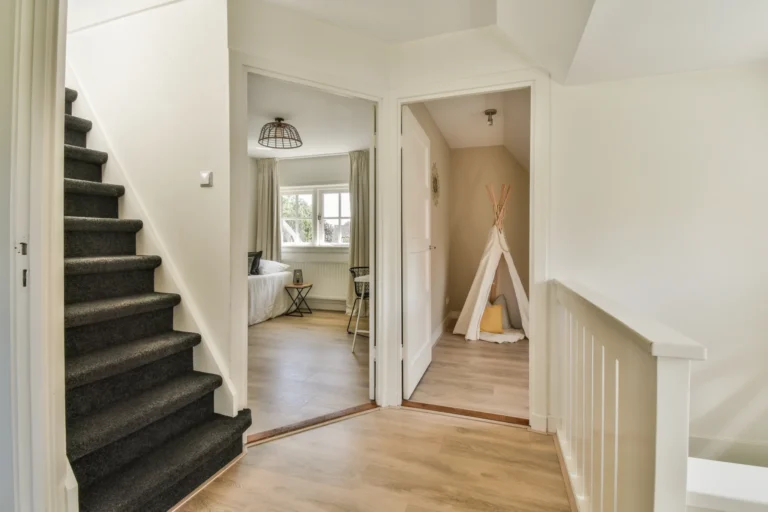
The staircase requirements are particularly important. Your new loft staircase must provide a safe escape route, which means it needs to meet specific requirements for pitch, width, handrails, and headroom. The staircase must also be enclosed with fire resistant walls and doors.
In properties with three or more storeys (which includes your new loft conversion), you also need a protected escape route. This usually means upgrading doors on lower floors to fire rated doors and ensuring the staircase is properly enclosed all the way down to the ground floor.
Insulation and Energy Efficiency (Part L)
Part L sets minimum standards for thermal insulation and energy efficiency. Your loft conversion must be properly insulated to prevent heat loss and reduce energy consumption.
The current standards are quite stringent. You need high performance insulation in the roof (typically 150 270mm depending on the insulation type), insulated floors to prevent heat loss to the rooms below, and energy efficient windows with low U values.
In West London’s climate, good insulation isn’t just about keeping warm in winter—it also prevents overheating in summer. A properly insulated loft stays comfortable year round without excessive heating or cooling.
Building control will check your insulation specifications and may inspect during construction to ensure it’s installed correctly. You’ll also need to provide calculations showing that your conversion meets the required U values (a measure of heat loss).
Ventilation (Part F)
Adequate ventilation is essential to prevent condensation, damp, and poor air quality. Part F requires proper ventilation in all habitable rooms and particularly in bathrooms.
For bedrooms, you need background ventilation (typically trickle vents in windows) and rapid ventilation (opening windows). For bathrooms, you need mechanical extraction (an extractor fan) that removes moisture effectively.
The ventilation requirements are calculated based on room size and use. In loft conversions, where roof spaces can be prone to condensation, getting ventilation right is particularly important.
Sound Insulation (Part E)
If you’re converting a loft in a semi detached or terraced property, you need to consider sound insulation between your property and your neighbors’. Part E sets minimum standards for sound resistance.
This typically means using sound insulating materials in party walls and floors, avoiding direct connections between your structure and your neighbor’s, and sometimes installing acoustic insulation in walls and ceilings.
In detached properties, Part E still applies to sound insulation between floors within your own property, though the requirements are less stringent than for party walls.
Staircase Design (Part K)
Part K covers staircase design and safety. Your loft staircase must be safe and easy to use, which means meeting specific requirements for pitch, tread depth, rise height, headroom, and handrails.
The maximum pitch is 42 degrees for a main staircase (though space saver stairs can be steeper). Minimum headroom is 2 metres throughout the staircase. Treads must be at least 220mm deep, and rises no more than 220mm high.
Handrails are required on at least one side of the staircase, and if the staircase is wider than 1 metre, you need handrails on both sides. The handrail must be between 900mm and 1000mm above the pitch line.
These requirements often surprise people because they’re quite specific and can be difficult to meet in existing properties where space is tight. Finding room for a compliant staircase is often one of the biggest challenges in loft conversion design.
Glazing and Guarding (Part N and Part K)
Windows and any glazed areas must meet safety standards. This means using toughened or laminated glass in certain locations, particularly where there’s a risk of impact.
If you have any areas where there’s a drop of more than 600mm (such as a gallery landing or mezzanine), you need protective guarding. This must be at least 1100mm high and designed so that children can’t climb it.
The Building Regulations Approval Process
Getting building regulations approval involves several stages, from initial application through to final certification.
Initial Application
You have two options for building regulations approval: submitting a full plans application to your local authority building control, or using an approved inspector (a private building control service).
At Loft Conversion West London, we typically use local authority building control because they know the local housing stock and have established relationships with us. The process is straightforward and costs around £800 £1,200 depending on your borough.
The application includes detailed drawings showing all structural, fire safety, insulation, and ventilation provisions, structural engineer’s calculations, specifications for materials and construction methods, and sometimes additional documents like thermal performance calculations.
Plan Review
Building control reviews your application to check it complies with all relevant regulations. This typically takes 4 6 weeks. They may request additional information or amendments if anything doesn’t meet the required standards.
Once they’re satisfied, they issue a formal approval notice. This doesn’t mean you can start work immediately—you still need to notify building control before you begin and arrange inspections at key stages.
Construction Inspections
During construction, building control inspects the work at several key stages. The exact number of inspections varies, but typically includes:
• Foundation inspection (if you’re building any new foundations for extensions)
• Structural frame inspection (checking steel beams and floor joists)
• Fire protection inspection (checking fire resistant construction and doors)
• Insulation inspection (checking insulation is installed correctly)
• Final inspection (checking everything is complete and compliant)
You must notify building control at least 48 hours before each inspection is needed. They visit site, inspect the relevant work, and either approve it or request remedial work.
These inspections are crucial. If building control finds work that doesn’t comply with regulations, you’ll need to fix it before proceeding. This can cause delays and extra costs, which is why it’s essential to use experienced contractors who know what building control expects.
Completion Certificate
Once all work is complete and building control is satisfied everything meets regulations, they issue a completion certificate. This is a legal document that proves your conversion complies with building regulations.
You absolutely must get this certificate. Without it, you’ll have serious problems when you come to sell your property. Solicitors always ask for building regulations certificates, and if you can’t provide one, you’ll need to get retrospective approval (which is expensive and complicated) or accept a reduced sale price.
At Loft Conversion West London, we don’t consider a project finished until you have your completion certificate in hand. We handle all liaison with building control and ensure every inspection passes first time.
Common Building Regulations Issues in West London Properties
West London’s housing stock presents some specific challenges when it comes to building regulations compliance.
Victorian and Edwardian Structural Quirks
Many West London properties were built in the Victorian or Edwardian era, and construction methods were different then. Timber sizes were often generous, but connections between structural elements were sometimes basic.
When we’re installing steel beams and new floor joists, we need to ensure proper connections to existing walls and structures. This sometimes requires additional structural work that wasn’t obvious from the initial survey.
Building control pays particular attention to these connections because they’re critical for structural safety. We use modern fixings and techniques that meet current standards while respecting the character of older properties.
Fire Safety in Three Storey Properties
Once you add a loft conversion, your two storey house becomes a three storey property. This triggers more stringent fire safety requirements, particularly around escape routes.
You need a protected staircase from the loft all the way down to the ground floor. This means fire rated doors on all rooms opening onto the staircase, not just the loft. Many clients in Hammersmith and Ealing are surprised when we tell them they need to replace doors on the first floor as well, but it’s a building regulations requirement.
The good news is that modern fire rated doors look just like standard doors. You don’t need ugly institutional looking doors—there are plenty of attractive options that match your existing interior style.
Insulation in Limited Roof Space
Building regulations require substantial insulation, but roof spaces in Victorian properties often have limited depth between rafters. Achieving the required U values while maintaining adequate headroom can be challenging.
We typically use high performance insulation materials that provide better thermal performance in less thickness. This costs a bit more than standard insulation, but it’s worth it to maintain headroom and meet regulations.
Sometimes we use a combination of insulation between rafters and over rafters, creating a continuous insulated layer. Building control is flexible about the exact method as long as you achieve the required thermal performance.
Staircase Space Constraints
Finding space for a building regulations compliant staircase is often the biggest challenge in loft conversions. The requirements for pitch, headroom, and tread depth mean you need more space than most people expect.
In properties where space is really tight, we sometimes use space saver stairs, which are allowed to be steeper (up to 42 degrees) and have alternating treads. These aren’t as comfortable as standard stairs, but they’re better than not being able to do the conversion at all.
Building control will check staircase dimensions carefully, so it’s essential to get this right at the design stage. Retrofitting a non compliant staircase is expensive and disruptive.
Working with Building Control in West London
Each West London borough has its own building control team, and while they all enforce the same national regulations, there are some local variations in interpretation and priorities.
Ealing Building Control
Ealing’s building control team is experienced with loft conversions and generally pragmatic. They’re familiar with the Victorian and Edwardian housing stock in the borough and understand the challenges these properties present.
Ealing building control is particularly hot on fire safety and staircase compliance. Make sure your fire doors are properly specified and your staircase dimensions are spot on before the inspection.
Hammersmith & Fulham Building Control
Hammersmith & Fulham building control is thorough and expects high standards. They’re experienced with loft conversions in the borough’s period properties and know what to look for.
The team is good at spotting potential issues early and will often provide helpful advice during inspections. They’re particularly focused on structural connections and insulation performance.
Richmond Building Control
Richmond building control serves a borough with some of the highest value properties in West London, and they expect quality to match. They’re thorough in their inspections and won’t sign off work that’s borderline compliant.
Richmond building control is particularly focused on thermal performance and fire safety. Make sure your insulation specifications are robust and your fire protection measures are comprehensive.
Hounslow Building Control
Hounslow building control covers a diverse borough, from the period properties of Chiswick to more modern housing elsewhere. They’re experienced with all types of loft conversions and generally straightforward to work with.
Hounslow building control is pragmatic but thorough. They focus on the key safety issues—structure, fire, insulation—and are less concerned with minor cosmetic details.
DIY vs Professional Building Control Management
Some people consider managing building control themselves to save money. We strongly advise against this unless you have professional building experience.
Building regulations are complex, and the application process requires technical knowledge. You need to prepare detailed drawings, structural calculations, and specifications that meet all relevant standards. Most homeowners don’t have the expertise to do this properly.
During construction, you need to know when to call inspections, what building control will be looking for, and how to address any issues they raise. If you get this wrong, you can end up with failed inspections, delays, and expensive remedial work.
At Loft Conversion West London, we handle all building control liaison as part of our service. We prepare the application, coordinate all inspections, and ensure everything passes first time. This is included in our fixed price quote, so you’re not paying extra for project management.
The peace of mind of knowing a professional is managing building control is worth far more than any potential saving from doing it yourself.
Cost of Building Regulations Compliance
Building regulations compliance adds to the cost of your loft conversion, but it’s money well spent.
Building Control Fees
Local authority building control fees in West London typically run £800 £1,200 depending on the borough and the complexity of your conversion. This covers plan review and all inspections.
Approved inspector fees are similar, sometimes slightly higher. At Loft Conversion West London, we include building control fees in our fixed price quote.
Structural Engineer Fees
You need structural calculations for any loft conversion, and these typically cost £1,500 £2,500. The engineer assesses your existing structure, designs the new structural elements (steel beams, floor joists), and provides calculations that building control reviews.
This is money well spent. A good structural engineer ensures your conversion is safe and designs efficient solutions that minimize cost while meeting all requirements.
Fire Safety Measures
Fire rated doors cost around £150 £250 each, and you’ll typically need 2 4 depending on your property layout. Mains wired smoke alarms cost around £50 £80 each, and you need one on every floor.
Fire resistant construction (plasterboard, insulation) adds around £500 £1,000 to material costs compared to standard construction. This is a legal requirement, not an optional extra.
Insulation Costs
High performance insulation costs more than basic insulation, but the difference is relatively modest—typically £800 £1,500 extra for a standard loft conversion. Given that insulation is mandatory and affects your comfort and energy bills for decades, this is money well spent.
Staircase Costs
A building regulations compliant staircase costs £2,000 £5,000 depending on design and materials. This is a significant cost, but the staircase is a crucial safety feature and needs to be done properly.
What Happens If You Don’t Comply?
Some people are tempted to skip building regulations to save money or time. This is a terrible idea for several reasons.
Legal Consequences
Building without building regulations approval is a criminal offense. Local authorities can prosecute, and you could face fines of up to £5,000 plus costs.
More commonly, the council will serve an enforcement notice requiring you to either obtain retrospective approval or remove the non compliant work. Retrospective approval is expensive, time consuming, and sometimes impossible if the work doesn’t meet regulations.
Insurance Issues
Your home insurance may be invalidated if you’ve done building work without proper approvals. If there’s a fire or structural failure related to your non compliant conversion, your insurer could refuse to pay out.
Selling Your Property
When you sell your property, your solicitor will ask for building regulations certificates for any work done. If you can’t provide them, you have three options: get retrospective approval (expensive and complicated), get an indemnity policy (which many buyers won’t accept), or accept a reduced sale price.
Most buyers will either walk away or demand a significant price reduction to cover the risk and cost of sorting out the compliance issues. You could lose tens of thousands of pounds on your sale price.
Safety Risks
The biggest risk is to you and your family. Building regulations exist for good reasons—they ensure your conversion is structurally safe, won’t collapse, has adequate fire protection, and is properly insulated. Skipping these requirements puts lives at risk.
We’ve seen non compliant conversions with inadequate structural support, no fire protection, and dangerous staircases. The cost of putting these right is always far more than doing it properly in the first place.
Tips for Smooth Building Regulations Approval
Based on 25 years of experience, here’s our advice for ensuring your building regulations approval goes smoothly.
Use Experienced Professionals
Work with a loft conversion specialist who knows building regulations inside out. At Loft Conversion West London, we’ve done hundreds of conversions and know exactly what building control expects. We design and build to meet regulations from the start, not as an afterthought.
Get Your Structural Calculations Right
Don’t skimp on structural engineering. A good structural engineer designs efficient, cost effective solutions that meet all requirements. Cheap or inadequate structural calculations lead to failed inspections and expensive remedial work.
Plan Your Staircase Early
The staircase is often the most challenging aspect of building regulations compliance. Work out where it’s going and check the dimensions meet requirements before you commit to the design. Changing staircase location or design mid project is expensive and disruptive.
Specify Quality Fire Protection
Don’t try to save money on fire doors or smoke alarms. These are life safety features, and building control will check them carefully. Use properly certified products and install them correctly.
Communicate with Building Control
Give building control plenty of notice before inspections. If you’re not sure whether something meets regulations, ask before you build it. Building control officers are generally helpful and would rather advise you in advance than fail an inspection later.
Keep Records
Keep all certificates for materials and products, particularly fire doors, insulation, and windows. Building control may ask to see these, and you’ll need them for your completion certificate.
Don’t Rush
Building regulations compliance takes time. Don’t pressure your contractor to skip inspections or rush work to meet an arbitrary deadline. Proper compliance is more important than finishing a week earlier.
Frequently Asked Questions
Do We need building regulations approval for a loft conversion?
Yes, absolutely. Building regulations approval is mandatory for all loft conversions in West London, regardless of size or whether you need planning permission. This is a legal requirement, not optional. At Loft Conversion West London, we handle all building regulations applications and inspections as part of our service, ensuring full compliance and your completion certificate.
How much do building regulations cost for a loft conversion?
Building control fees are typically £800 £1,200 in West London boroughs. You’ll also need structural engineer’s calculations (£1,500 £2,500) and the cost of compliance measures like fire doors, insulation, and proper staircases. At Loft Conversion West London, we include all these costs in our fixed price quote, so there are no surprises.
How long does building regulations approval take?
The initial application review takes 4 6 weeks. During construction, you need several inspections at key stages, each requiring 48 hours’ notice. The whole process from application to completion certificate typically takes 12 16 weeks, which aligns with the construction timeline for most loft conversions.
What happens during building control inspections?
Building control inspects your conversion at key stages: structural frame (checking steel beams and joists), fire protection (checking fire doors and smoke alarms), insulation (checking it’s installed correctly), and final inspection (checking everything is complete). They either approve the work or request remedial action if something doesn’t meet regulations.
Can We use an approved inspector instead of local authority building control?
Yes, approved inspectors are private building control services that offer an alternative to local authority building control. They enforce the same regulations but may offer more flexible service. Costs are similar to local authority fees. At Loft Conversion West London, we typically use local authority building control because they know the local housing stock well.
What’s a completion certificate and why do We need it?
A completion certificate is legal proof that your loft conversion complies with building regulations. You absolutely need this when you sell your property—solicitors always ask for it. Without a completion certificate, you’ll struggle to sell or will need to accept a reduced price. We ensure you receive your completion certificate for every project.
Do We need to upgrade doors on lower floors when We do a loft conversion?
Usually yes. Once you add a loft conversion, your property becomes three storeys, which triggers stricter fire safety requirements. You typically need fire rated doors (FD30) on all rooms opening onto the staircase, from the loft down to the ground floor. This protects your escape route in case of fire.
What are the insulation requirements for loft conversions?
Current building regulations require high performance insulation with U values of 0.15 0.18 W/m²K for roofs. This typically means 150 270mm of insulation depending on the material used. You also need insulated floors and energy efficient windows. Building control checks insulation specifications and may inspect during construction to ensure correct installation.