
The structural work is the foundation of every loft conversion literally. It’s what keeps your conversion safe, ensures it meets building regulations, and allows you to create usable space without internal supporting walls cluttering the room. After 25 years of building loft conversions across West London, we can tell you that proper structural design and execution is absolutely critical. Cut corners here, and you’re risking not just building regulations failure, but potentially dangerous structural problems.
Working across Ealing, Hammersmith, Richmond, Fulham, and the surrounding areas, we’ve dealt with every type of property structure Victorian terraces with original timber, 1930s semi-detached houses with varying roof designs, and everything in between. Each property has unique structural characteristics, and understanding these is essential for creating a safe, compliant loft conversion.
Let us walk you through everything you need to know about the structural requirements for loft conversions what’s involved, why it matters, how structural engineers work, and what building control expects.
Why Structural Work Is Essential
Your existing loft wasn’t designed as a habitable room. The floor joists were sized for storage loads only (typically 0.25-0.5 kN/m²), not for people living in the space. The roof structure was designed to support the roof covering and occasional snow loads, not additional floors and walls. If you simply boarded out your loft and started using it as a bedroom without structural work, you’d be overloading the structure and risking serious problems sagging floors, cracked ceilings below, or even structural failure.
Building regulations require that loft conversions meet specific structural standards. The floor must support 1.5 kN/m² for bedrooms (or 2.0 kN/m² for other uses), the roof structure must support the additional loads from the conversion, any new walls or dormers must be properly supported, and the existing structure must be capable of carrying all these additional loads safely.
This requires structural calculations by a qualified structural engineer, proper sizing and installation of floor joists, steel beams to support the roof and create open space, and proper connections between new and existing structures.
Attempting a loft conversion without proper structural work is dangerous, illegal, and will fail building regulations. It’s also difficult to rectify if building control discovers inadequate structural work during inspections, you’ll need to strip everything back and start again, which is far more expensive than doing it properly in the first place.
The Role of the Structural Engineer
Every loft conversion requires a structural engineer. They’re the qualified professional who calculates what structural elements are needed, designs the structural solution, and provides drawings and calculations that form part of your building regulations application.
What Structural Engineers Do
They survey your existing property to understand the current structure existing floor joist sizes and spacing, roof structure and condition, wall construction and load-bearing capacity, and any existing structural issues.
They calculate the loads your conversion will create dead loads (the weight of the structure itself), live loads (people, furniture, equipment), and any additional loads from new structures like dormers.
They design the structural solution new floor joists sized and spaced to support the required loads, steel beams to support the roof and create open space, connections between new and existing structures, and support for any new walls or dormers.
They provide detailed drawings and calculations showing all structural elements, sizes, positions, and connections. These form part of your building regulations application.
They may visit during construction to inspect key structural elements and ensure they’re installed as designed.
Choosing a Structural Engineer
Use a qualified structural engineer who’s a member of the Institution of Structural Engineers (IStructE) or similar professional body. They should have experience with loft conversions specifically, not just general structural work.
At Loft Conversion West London, we work with structural engineers who specialize in residential loft conversions and know exactly what building control expects. Their calculations are included in our fixed-price quotes.
Structural Engineer Fees
Structural engineers typically charge £1,500-£2,500 for loft conversion calculations and drawings. This covers the initial survey, all calculations, detailed drawings, and building regulations submission documents.
Some engineers charge extra for site visits during construction. Clarify what’s included in the fee upfront.
Floor Structure Requirements
The floor is the most critical structural element in your loft conversion. It must support all the loads from people, furniture, and the structure itself, and it must meet building regulations requirements.
Load Requirements
Building regulations require floors to support specific loads:
Bedrooms: 1.5 kN/m² (kilonewtons per square metre)
Other residential uses: 2.0 kN/m²
Bathrooms: 2.0 kN/m² (because of the weight of baths, water, and fittings)
These are live loads the loads from people and furniture. Dead loads (the weight of the floor structure itself) are additional.
Your existing loft floor joists were designed for storage loads of 0.25-0.5 kN/m², which is nowhere near adequate for habitable rooms.
Floor Joist Solutions
There are several ways to create an adequate floor structure:
New Floor Joists
The most common solution is to install new, larger floor joists alongside or in place of the existing joists. Typical sizes are 200mm x 50mm or 225mm x 50mm timber joists, spaced at 400mm or 600mm centres depending on the span and loads.
The structural engineer calculates the exact size and spacing based on your specific property and the loads involved.
New joists are either installed alongside existing joists (leaving the existing joists in place for additional support) or replace existing joists entirely (if the existing joists are in poor condition or inadequately positioned).
Engineered Joists
Engineered joists (such as I-joists or metal web joists) are sometimes used where spans are long or loads are high. They’re stronger and lighter than solid timber joists and can span further without intermediate support.
They’re more expensive than solid timber joists but can be necessary in some situations.
Steel Beams to Reduce Spans
Long spans require very large joists, which can be impractical. Installing steel beams across the loft reduces the span that floor joists need to cover, allowing smaller joists to be used.
Steel beams are supported on the external walls or on internal load-bearing walls, and floor joists span between the beams.
Joist Hangers and Connections
Floor joists must be properly connected to walls and beams using joist hangers or other approved connections. Simply resting joists on walls isn’t adequate they must be securely fixed to prevent movement.
The structural engineer specifies the type and position of all connections.
Trimming Around Staircases
The staircase opening requires trimming additional structural support around the opening to carry the loads from the cut joists. Trimmer joists (heavier joists around the opening) and trimming joists (joists that connect to the trimmers) create a strong frame around the staircase.
This is critical for safety inadequate trimming can lead to structural failure around the staircase opening.
Steel Beams
Steel beams are used in virtually all loft conversions to support the roof structure and create open space without internal load-bearing walls.
Why Steel Beams Are Needed
Your existing roof structure has purlins (horizontal beams that support the rafters) and possibly internal walls that support these purlins. When you convert the loft, you want open space without walls in the middle of the room. Steel beams replace the function of these internal supports, carrying the roof loads and allowing you to remove internal walls.
Steel beams also support new structures like dormers, which create additional loads that the existing roof structure wasn’t designed to carry.
Types of Steel Beams
Universal Beams (UB) The most common type, with an I-shaped cross-section. They’re strong, relatively lightweight, and available in many sizes.
Universal Columns (UC) Similar to UBs but with a more square cross-section. Used where vertical loads are high.
Rectangular Hollow Sections (RHS) Box-section beams that are sometimes used for aesthetic reasons or where space is limited.
The structural engineer specifies the exact type and size of beam based on the loads and spans involved.
Typical Beam Sizes
Common beam sizes for loft conversions are 152mm x 89mm UB (for lighter loads and shorter spans), 178mm x 102mm UB (for moderate loads and spans), 203mm x 133mm UB (for heavier loads and longer spans), and 254mm x 146mm UB (for very heavy loads or long spans).
The exact size depends on what the beam is supporting and how far it spans.
Beam Installation
Steel beams are heavy a 5-metre 203mm UB weighs around 200kg. They require careful handling and installation.
Beams are typically lifted into position using scaffolding and manual handling (for smaller beams) or a crane (for very large beams or difficult access).
Beams must be properly supported at each end. Support is typically provided by padstones (concrete or stone blocks that spread the load over a larger area of wall), steel posts (if the beam can’t be supported on external walls), or existing structural walls.
The structural engineer specifies exactly how beams must be supported and connected.
Building Control Inspection
Building control inspects all steel beams before they’re covered with plasterboard. They check that the beam size matches the structural engineer’s specification, the beam is properly positioned, supports (padstones or posts) are adequate, and connections are properly made.
If the beam doesn’t match the specification or isn’t properly installed, building control will require it to be corrected before work can continue.
Roof Structure Modifications
Converting your loft involves modifying the roof structure. The extent of modifications depends on the type of conversion.
Velux Conversions
Velux conversions involve minimal roof structure modifications. The existing roof structure remains largely intact, with openings cut for roof windows. These openings require trimming (additional structural support around the opening) similar to staircase openings.
Dormer Conversions
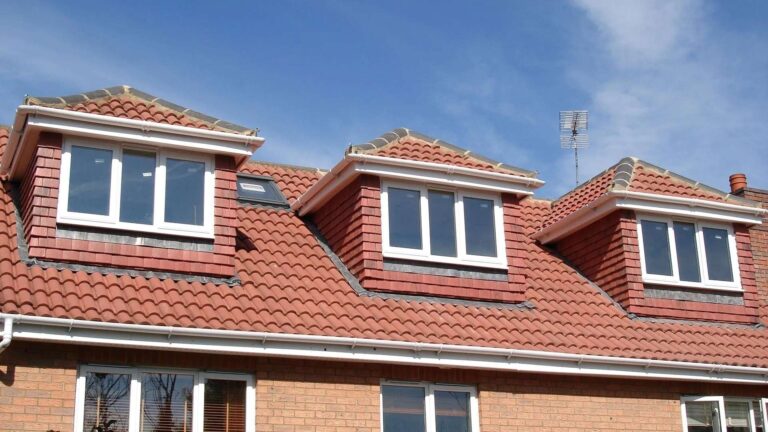
Dormer conversions involve removing a section of the existing roof and building a new dormer structure. This requires cutting existing rafters (the sloping timbers that support the roof covering), installing new structural elements to support the dormer, and ensuring the remaining roof structure is adequately supported.
Steel beams typically support the dormer structure and carry the loads from the cut rafters.
Hip-to-Gable Conversions
Hip-to-gable conversions involve removing the entire hipped section of roof and replacing it with a vertical gable wall. This is substantial structural work that requires careful design and execution.
The new gable wall must be properly supported on the existing structure, and steel beams support the roof structure where the hip has been removed.
Mansard Conversions
Mansard conversions involve removing most of the existing roof structure and building an entirely new roof. This is the most extensive structural work and requires substantial steel beams to support the new mansard structure.
The structural engineer designs the entire new roof structure, including all beams, rafters, and connections.
Wall Structures
New walls in loft conversions must be properly designed and supported.
Partition Walls
Internal partition walls (for example, separating a bedroom from an ensuite) are typically lightweight timber stud walls. They don’t carry significant loads and simply divide the space.
However, they must still be properly constructed and fixed to the floor, ceiling, and adjacent walls to ensure stability.
Load-Bearing Walls
If you’re creating two separate rooms (for example, two bedrooms), you might have a load-bearing wall that supports part of the roof structure. This must be properly designed by the structural engineer and adequately supported on the floor structure below.
Load-bearing walls create point loads (concentrated loads at specific locations) that the floor structure must be designed to carry.
Gable Walls
In hip-to-gable conversions, the new gable wall is a significant structural element that must support the roof structure and resist wind loads. It’s typically a timber-frame wall clad with render, brick, or tile-hanging to match your existing property.
The structural engineer designs the gable wall structure, and building control inspects it during construction.
Dormer Walls
Dormer walls must support the dormer roof and resist wind loads. They’re typically timber-frame construction, properly connected to the existing roof structure and supported by steel beams.
Connections and Fixings
Proper connections between structural elements are critical for safety and performance.
Joist Hangers
Joist hangers connect floor joists to beams or walls. They must be the correct type and size for the joist, properly fixed with the specified number and type of nails or screws, and installed square and level.
Building control checks joist hangers during inspections.
Beam Connections
Steel beams must be properly connected to their supports and to other structural elements. This typically involves bolted connections using specified sizes and grades of bolts.
The structural engineer details all beam connections, and building control inspects them.
Rafter Connections
Rafters (the sloping roof timbers) must be properly connected to beams, walls, and other rafters. This typically involves metal brackets, bolts, or traditional carpentry joints.
Wall Fixings
New walls must be properly fixed to floors, ceilings, and adjacent walls using appropriate fixings. This ensures stability and prevents movement.
Common Structural Issues
Understanding common issues helps you avoid problems:
Inadequate Floor Joists
Using joists that are too small or spaced too far apart is the most common structural problem. This leads to bouncy floors, sagging, and potential failure. Solution: Follow the structural engineer’s specifications exactly. Don’t try to save money by using smaller joists or wider spacing.
Poorly Supported Steel Beams
Beams that aren’t properly supported on adequate padstones or posts can cause wall damage, beam deflection, or structural failure. Solution: Ensure supports match the structural engineer’s specification and are properly installed before the beam is loaded.
Missing or Inadequate Connections
Failing to install joist hangers, beam connections, or other fixings as specified compromises structural integrity. Solution: Install all connections exactly as specified by the structural engineer.
Cutting Structural Elements
Cutting through existing structural elements (joists, rafters, beams) without proper design and support causes structural problems. Solution: Never cut structural elements without consulting the structural engineer. If modifications are needed, the engineer must design appropriate support.
Overloading
Adding loads that exceed the design capacity (for example, very heavy gym equipment, water beds, or large baths) can overload the structure. Solution: Inform the structural engineer of any unusually heavy items during the design stage so they can design for the additional loads.
Building Control and Structural Inspections
Building control inspects structural work at key stages:
Foundation/Support Inspection
Padstones or posts that support steel beams are inspected before beams are installed. Building control checks that supports are adequate and properly positioned.
Steelwork Inspection
All steel beams are inspected after installation but before they’re covered. Building control checks beam sizes, positions, supports, and connections.
Floor Joist Inspection
Floor joists are inspected after installation but before the floor is laid. Building control checks joist sizes, spacing, and connections.
Final Inspection
The final inspection includes checking that all structural work has been completed as designed and that there are no visible structural problems.
If any structural work doesn’t meet the specification or building regulations, building control will require it to be corrected before issuing your completion certificate.
Structural Work Costs
Structural work is a significant part of loft conversion costs:
Structural engineer fees: £1,500-£2,500
Steel beams and installation: £3,000-£8,000 (depending on number and size)
Floor joists and installation: £2,000-£4,000
Padstones and supports: £500-£1,500
Total structural costs: £7,000-£16,000
These costs are included in our fixed-price quotes at Loft Conversion West London.
Frequently Asked Questions
Do we need a structural engineer for our loft conversion?
Yes, always. Building regulations require structural calculations by a qualified structural engineer for all loft conversions. The engineer calculates what structural elements are needed (floor joists, steel beams, supports), designs the structural solution, and provides drawings and calculations for building regulations approval. Attempting a loft conversion without a structural engineer is illegal, dangerous, and will fail building regulations. Structural engineer fees (£1,500-£2,500) are a small price to pay for ensuring your conversion is safe and compliant.
What size floor joists do we need?
It depends on the span (the distance the joists must cover) and the loads involved. Typical sizes are 200mm x 50mm or 225mm x 50mm timber joists, spaced at 400mm or 600mm centres. Your structural engineer calculates the exact size and spacing based on your specific property. Never guess or use inadequate joists this is dangerous and will fail building regulations. The structural engineer’s specification must be followed exactly.
Why do we need steel beams?
Steel beams support the roof structure and create open space without internal load-bearing walls cluttering your loft room. Your existing roof has internal supports (purlins and possibly walls) that you want to remove to create usable space. Steel beams replace these supports, carrying the roof loads and allowing you to have an open, unobstructed room. They also support new structures like dormers. Virtually all loft conversions require at least one steel beam, and many require multiple beams. The structural engineer specifies the exact number, size, and position of beams needed.
How much do steel beams cost?
Steel beams and installation typically cost £3,000-£8,000 depending on the number and size of beams required. A single modest beam might cost £3,000-£4,000 including supply and installation, whilst multiple large beams for complex conversions can cost £6,000-£8,000 or more. The cost includes the beam itself, delivery, lifting into position, padstones or supports, and installation. These costs are included in our fixed-price quotes at Loft Conversion West London.
Can we use our existing floor joists?
Almost never. Existing loft floor joists were designed for storage loads (0.25-0.5 kN/m²), not habitable rooms (1.5-2.0 kN/m²). They’re typically too small and spaced too far apart to meet building regulations. You’ll need new, larger joists installed alongside or in place of existing joists. The structural engineer assesses your existing joists and specifies what’s needed. Attempting to use inadequate existing joists is dangerous and will fail building regulations.
What happens if structural work fails building control inspection?
Building control will require the work to be corrected before you can proceed. This might mean installing larger beams, adding additional joists, improving connections, or in serious cases, stripping back work and starting again. This causes delays and additional costs. The solution is to follow the structural engineer’s specifications exactly and use experienced builders who understand structural requirements. At Loft Conversion West London, we ensure all structural work meets specifications and passes inspections first time.
How long does structural work take?
Structural work typically takes 3-5 weeks of the total construction timeline. This includes installing floor joists (1-2 weeks), installing steel beams and supports (1 week), and building any new structural walls (1-2 weeks). The work must be inspected by building control at key stages, which is factored into the timeline. Structural work is the foundation of your conversion and can’t