
One of the first questions we get asked when someone’s thinking about a loft conversion is “do we need planning permission?” It’s a crucial question because planning permission can add 8–12 weeks to your project timeline and costs around £500–£800 in fees. The answer isn’t always straightforward, especially in West London where conservation areas and Article 4 directions are common.
We’ve been navigating West London planning regulations for over 25 years, and we can tell you that the rules are more complex here than in many other parts of London. Areas like Kew, Chiswick, and parts of Richmond have strict planning controls that catch a lot of people out. But don’t worry we’re going to walk you through exactly what you need to know.
The good news is that many loft conversions in West London can be done under permitted development rights, which means no planning permission required. The bad news is that there are quite a few exceptions, and working out which category you fall into requires some local knowledge.
Understanding Permitted Development Rights
Permitted development rights allow you to make certain changes to your property without needing formal planning permission. For loft conversions, these rights are quite generous but only if your property and your plans meet specific criteria.
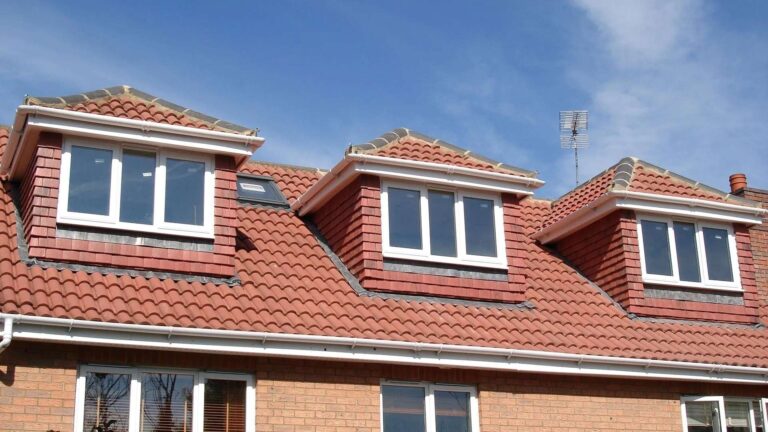
The basic permitted development allowance for loft conversions allows you to add up to 40 cubic metres of space to a terraced house, or 50 cubic metres to a detached or semidetached house. That’s actually quite a lot of space enough for most standard dormer conversions.
But here’s where it gets complicated. Even if your conversion falls within these volume limits, you still need to meet several other conditions. The roof extension can’t go higher than the highest part of your existing roof. It can’t extend beyond the plane of your existing roof slope on any side that faces a road. And any materials used on the exterior must be similar in appearance to your existing house.
There are also limits on how much of your roof you can extend. On the rear elevation, your dormer can’t extend more than the existing roof slope by more than a certain amount. Windows on side facing roof slopes need to be obscure glazed and non opening unless they’re 1.7 metres above the floor.
If your conversion meets all these criteria, you can proceed under permitted development rights. You still need building regulations approval that’s mandatory for all loft conversions but you don’t need planning permission.
When You Definitely Need Planning Permission
There are several situations where permitted development rights don’t apply, and you’ll need full planning permission for your loft conversion.
Conservation Areas
This is the big one in West London. Huge swathes of Kew, Richmond, Chiswick, Barnes, and parts of Ealing and Hammersmith are designated conservation areas. If your property falls within a conservation area, your permitted development rights are more restricted.
In conservation areas, you can’t add any volume to the roof space on the side of the house that faces a road without planning permission. This effectively rules out most dormer conversions under permitted development, because rear dormers are only permitted if they don’t face a road.
Many conservation area properties in West London are also subject to additional local planning policies that require any alterations to be “in keeping with the character of the area.” This means even if you technically have permitted development rights, the local authority might argue your design doesn’t meet conservation area requirements.
Article 4 Directions
Article 4 directions remove certain permitted development rights in specific areas. They’re common in West London, particularly in areas with distinctive architectural character that the council wants to protect.
If your property is subject to an Article 4 direction, you’ll need planning permission for alterations that would normally fall under permitted development. The specific restrictions vary depending on the Article 4 direction in place, but they often cover roof alterations.
You can check whether your property is affected by an Article 4 direction on your local council’s planning portal. Ealing, Hammersmith & Fulham, Richmond, and Hounslow councils all have online mapping tools that show Article 4 direction areas.
Listed Buildings
If you live in a listed building, you need listed building consent for any alterations, including loft conversions. This is a separate process from planning permission and involves demonstrating that your proposals won’t harm the special architectural or historic interest of the building.
Listed building consent is more stringent than planning permission. The local authority will scrutinize your plans carefully, and you’ll likely need to use traditional materials and construction methods. Loft conversions in listed buildings are possible, but they require specialist expertise.
Exceeding Permitted Development Limits
If your proposed conversion exceeds the volume limits 40 cubic metres for terraced, 50 cubic metres for detached semidetached you’ll need planning permission. This commonly happens with larger conversions like mansard or L shaped designs.
Similarly, if your dormer extends higher than the existing ridge line, or if it extends beyond the roof slope on a road facing elevation, you’ll need planning permission.
Flats and Maisonettes
Permitted development rights for loft conversions only apply to houses. If you live in a flat or maisonette, you’ll need planning permission for any loft conversion, regardless of size or design.
The West London Planning Landscape
Each West London borough has its own planning policies and priorities, and understanding these local variations is crucial for a successful application.
Ealing Council
Ealing has extensive conservation areas, particularly around Ealing Broadway, Pitshanger, and parts of Acton. The council is generally supportive of well designed loft conversions that respect the character of the area.
Ealing’s planning policies emphasize maintaining the architectural integrity of Victorian and Edwardian properties. Rear dormers are usually acceptable, but large box dormers that dominate the roof slope are often refused. The council prefers dormers that are set in from the sides of the roof and don’t extend the full width of the property.
Hammersmith & Fulham Council
Hammersmith & Fulham has numerous conservation areas, especially around Fulham, Brook Green, and Ravenscourt Park. The council takes conservation area protection seriously and scrutinizes applications carefully.
The council’s planning policies favor traditional dormer designs that complement the existing architecture. Modern flat roof dormers are acceptable on rear elevations, but the council expects high quality materials and careful detailing.
Richmond Council
Richmond has some of the strictest planning controls in West London. Large parts of the borough are conservation areas, and there are numerous Article 4 directions in place. Areas like Kew, Richmond Hill, and Barnes are particularly tightly controlled.
Richmond Council expects loft conversions to be subservient to the main house and not to dominate the roof slope. The council often requires dormers to be set down from the ridge and set in from the sides. Materials must match the existing property.
Hounslow Council
Hounslow covers areas including Chiswick, Brentford, and Hounslow town. Chiswick has extensive conservation areas with strict planning controls, while other parts of the borough are more relaxed.
Hounslow’s planning policies emphasize good design and respecting local character. The council is generally supportive of loft conversions that meet these criteria, but expects applications in conservation areas to demonstrate how the proposals preserve or enhance the area’s character.
How to Check If You Need Planning Permission
Before you start planning your loft conversion, you need to establish whether you need planning permission. Here’s how to find out.
Check Your Property’s Status
Start by checking whether your property is in a conservation area, subject to an Article 4 direction, or listed. All West London councils have online planning portals with mapping tools that show these designations.
Go to your council’s website and search for “planning constraints map” or “interactive planning map.” Enter your address and you’ll see all the planning designations that affect your property.
Review Your Property’s Planning History
Check whether previous owners have already used permitted development rights. If someone’s already built an extension or made other alterations under permitted development, you might have used up some or all of your allowance.
You can search your property’s planning history on your council’s planning portal. Look for any previous applications or building notices related to extensions or alterations.
Measure Your Proposed Conversion
Calculate the volume of your proposed loft conversion. This is the difference between the volume of your existing roof space and the volume after the conversion. If it exceeds 40 cubic metres terraced or 50 cubic metres detached semidetached you’ll need planning permission.
This calculation can be complex, especially for hip to gable or L shaped conversions. At Loft Conversion West London, we handle these calculations as part of our initial survey.
Consider Your Design
Even if your conversion falls within volume limits, certain design features trigger the need for planning permission. If your dormer extends higher than the ridge, extends beyond the roof slope on a road facing elevation, or uses materials that don’t match your existing house, you’ll need permission.
Get Professional Advice
The safest approach is to get professional advice from a loft conversion specialist who knows West London planning regulations inside out. At Loft Conversion West London, we assess your property and your plans and tell you definitively whether you need planning permission.
We can also submit a free “Certificate of Lawful Development” application to your council, which gives you formal confirmation that your proposals fall within permitted development rights. This costs around £100 and takes 8 weeks, but it gives you certainty before you commit to the project.
The Planning Permission Application Process
If you do need planning permission, here’s what the process involves.
Pre Application Advice
Most West London councils offer a pre application advice service where you can discuss your proposals with a planning officer before submitting a formal application. This costs around £100–£200 and is worth doing for complex projects or in conservation areas.
The planning officer will give you informal feedback on whether your proposals are likely to be acceptable and what changes might be needed. This can save you time and money by identifying issues early.
Preparing Your Application
A planning application requires several documents completed application forms, site location plan, existing and proposed drawings, design and access statement, and sometimes additional documents like heritage statements for conservation areas.
At Loft Conversion West London, we handle all of this for you. We work with experienced architects who know what West London councils expect and can prepare applications that maximize your chances of approval.
Submitting Your Application
Applications are submitted online through the Planning Portal. The fee for a householder planning application is currently £206, though this can increase for more complex applications.
Once submitted, your application is validated by the council usually within 1–2 weeks and then goes out for consultation. Neighbors are notified and given 21 days to comment. In conservation areas, the council also puts up a site notice.
The Decision Period
Councils have 8 weeks to determine householder planning applications, though this can be extended to 13 weeks by agreement. In practice, many West London councils take the full 8 weeks, sometimes longer for complex applications or in conservation areas.
During this period, the planning officer assesses your application against local planning policies, reviews any neighbor comments, and may request additional information or amendments.
The Decision
The planning officer makes a recommendation approve or refuse and in most cases has delegated authority to make the decision. For controversial applications or those in sensitive locations, the decision might go to the planning committee.
If approved, you’ll receive a decision notice with any conditions attached. These might require specific materials, construction methods, or timing restrictions. You must comply with all conditions.
If refused, you can appeal to the Planning Inspectorate, but this adds significant time and cost. It’s usually better to address the council’s concerns and submit a revised application.
Common Reasons for Planning Refusal
Understanding why applications get refused helps you avoid these pitfalls.
Overdevelopment
Councils refuse applications where the loft conversion is too large or dominant relative to the existing house. This is particularly common with mansard conversions that significantly alter the roof profile.
The solution is to design a conversion that’s proportionate to your property and respects its original character.
Impact on Neighbors
If your conversion would cause significant loss of light, privacy, or outlook for neighbors, the council might refuse permission. This is more common with side extensions or conversions that include large windows overlooking neighboring properties.
Careful design can mitigate these concerns. Setting dormers back from boundaries, using obscure glazing, or positioning windows to avoid direct overlooking all help.
Conservation Area Concerns
In conservation areas, councils refuse applications that would harm the character or appearance of the area. This often relates to design, materials, or the visibility of the conversion from public viewpoints.
The solution is to use traditional materials, follow established design patterns in the area, and minimize the visual impact of the conversion.
Poor Design Quality
Councils expect high quality design that complements your property. Applications with poor quality drawings, inappropriate materials, or designs that clash with the existing architecture get refused.
Using an experienced architect who understands West London’s architectural character is essential for avoiding design related refusals.
Tips for a Successful Planning Application
Based on 25 years of experience with West London planning applications, here’s our advice for maximizing your chances of approval.
Use an Experienced Local Architect
An architect who regularly works in your borough and knows the local planning officers and their preferences is invaluable. They’ll design a conversion that meets local planning policies and present it in a way that addresses potential concerns.
Engage with Neighbors Early
Talk to your neighbors before submitting your application. Explain what you’re planning and address any concerns they might have. Neighbor objections don’t automatically mean refusal, but they do make the process more difficult.
Follow Local Design Guidance
Most West London councils publish design guidance for loft conversions. Read these documents and make sure your proposals comply. If you’re deviating from the guidance, have good reasons and explain them in your design statement.
Use Quality Materials
Specify materials that match or complement your existing property. In conservation areas, this is particularly important. Natural slate, traditional tiles, and matching brickwork are always safer choices than modern alternatives.
Provide Clear, Professional Drawings
Your drawings need to clearly show existing and proposed elevations, floor plans, and sections. They should be to scale, properly annotated, and easy to understand. Poor quality drawings frustrate planning officers and can lead to delays or refusal.
Address Planning Policies Directly
In your design and access statement, reference the relevant local planning policies and explain how your proposals comply. This shows you’ve done your homework and makes the planning officer’s job easier.
Building Regulations: Still Required
Even if you don’t need planning permission, you absolutely must comply with building regulations. This is a legal requirement for all loft conversions, no exceptions.
Building regulations cover structural safety, fire safety, insulation, ventilation, staircase design, and sound insulation. Your conversion must meet all these requirements, and building control will inspect the work at various stages to ensure compliance.
At Loft Conversion West London, we handle building regulations approval as part of our service. We submit the application, coordinate inspections, and ensure all work meets the required standards. You receive a completion certificate at the end, which you’ll need when you sell your property.
Frequently Asked Questions
Do we need planning permission for a loft conversion in West London?
It depends on your property and your plans. Many loft conversions can be done under permitted development rights without planning permission, but there are important exceptions. If you’re in a conservation area, subject to an Article 4 direction, or your conversion exceeds permitted development limits, you’ll need planning permission. At Loft Conversion West London, we assess your property and tell you definitively whether permission is needed.
How long does planning permission take in West London?
The statutory period is 8 weeks for householder applications, though councils can extend this to 13 weeks by agreement. In practice, most West London councils take the full 8 weeks, sometimes longer for applications in conservation areas or where additional information is requested. Factor 8–12 weeks into your project timeline if you need planning permission.
How much does planning permission cost?
The application fee is £206 for a householder planning application. You’ll also need to pay for architectural drawings £2,000–£4,000 and possibly pre application advice £100–£200. At Loft Conversion West London, we include all planning costs in our fixed price quote, so you’re not dealing with multiple invoices.
What happens if we do a loft conversion without planning permission when we need it?
This is called a breach of planning control and can have serious consequences. The council can serve an enforcement notice requiring you to remove the conversion or apply for retrospective planning permission. You’ll struggle to sell your property without resolving the breach, and you won’t get a completion certificate. Always check whether you need permission before starting work.
Can we appeal if our planning application is refused?
Yes, you can appeal to the Planning Inspectorate within 6 months of the refusal. However, appeals take 6–9 months and cost around £2,000–£5,000 in professional fees. It’s usually better to address the council’s concerns and submit a revised application, which is faster and cheaper.
Do we need planning permission for a Velux loft conversion?
Usually no, as long as the Velux windows don’t protrude more than 150mm from the existing roof slope and you’re not in a conservation area or subject to an Article 4 direction. Velux conversions typically fall within permitted development rights because they don’t alter the external appearance of the roof significantly.
Are conservation area planning rules stricter in West London?
Yes, West London has some of the strictest conservation area controls in London. Areas like Kew, Richmond, Chiswick, and Barnes have particularly tight planning controls. Councils scrutinize applications carefully to ensure they preserve or enhance the character of conservation areas. This doesn’t mean you can’t do a loft conversion, but it does mean you need to pay more attention to design and materials.
What’s an Article 4 direction and how does it affect our loft conversion?
An Article 4 direction removes certain permitted development rights in specific areas. If your property is subject to an Article 4 direction covering roof alterations, you’ll need planning permission for your loft conversion even if it would normally fall within permitted development rights. Check your council’s planning portal to see if your property is affected.