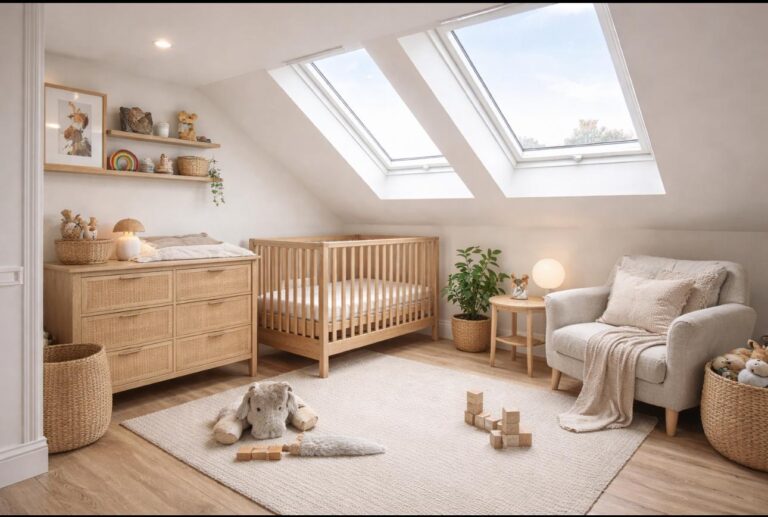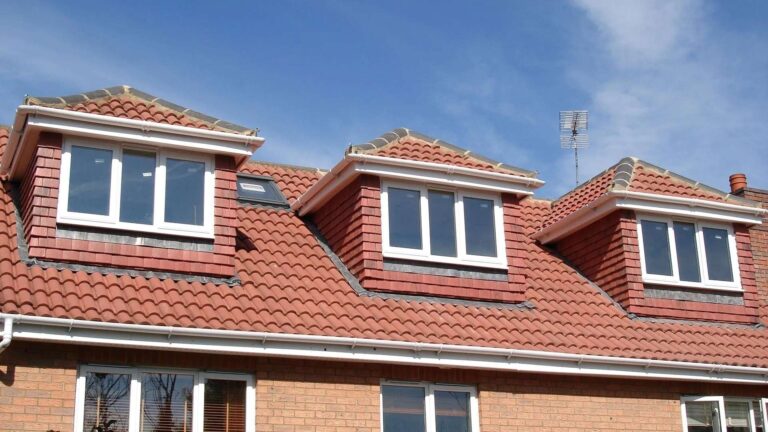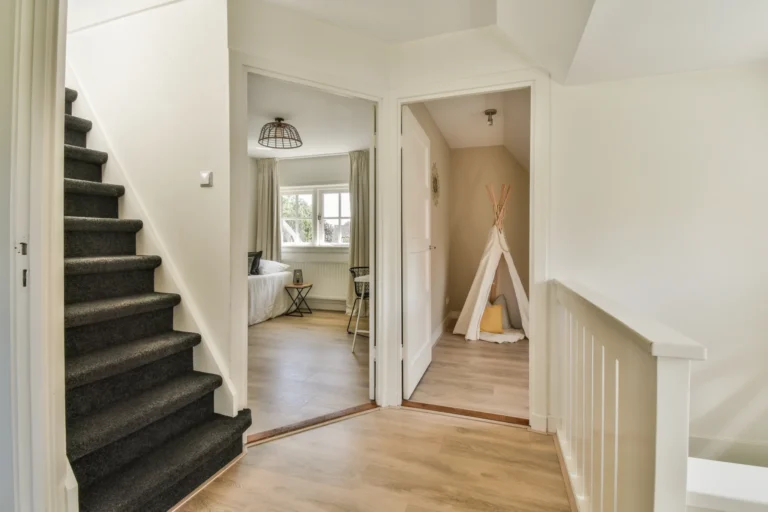

Dormer loft conversions are by far the most popular type of conversion we do in West London, and for good reason. They offer the best balance of space, cost, and practicality for most properties. If you’ve got a typical Victorian or Edwardian terraced or semi detached house in Ealing, Hammersmith, or Fulham, a dormer conversion is probably the perfect solution for adding that extra bedroom or home office you need.
We’ve been building dormer conversions across West London for over 25 years, and we’ve seen how transformative they can be. What starts as a dusty, unusable loft space becomes a beautiful, light filled room that genuinely changes how families live in their homes. The extra space means children can have their own rooms, parents can have a proper home office, or you can finally have that guest bedroom you’ve always wanted.
We’ll walk you through everything you need to know about dormer loft conversions—what they are, how they work, what they cost, and whether one is right for your West London property.
What Is a Dormer Loft Conversion?
A dormer is a structural extension that projects out from the slope of your roof, creating additional headroom and floor space inside your loft. Instead of having a sloping ceiling throughout your loft space, a dormer gives you vertical walls and a much more usable room.
The most common type in West London is a flat roof rear dormer, which extends across most or all of the rear roof slope. This creates a box like extension at the back of your property, with vertical walls, windows, and a flat roof. From inside, you get a room with proper walls and ceiling height, rather than the awkward sloping ceilings of an unconverted loft.
Dormers can be different sizes and styles. A full width dormer extends across the entire width of your roof, maximizing space. A smaller dormer might cover just part of the roof, creating a more modest extension. The style you choose depends on your property, your budget, and planning requirements.
From the street, a well designed rear dormer is barely visible because it’s on the back of your property. This is why they’re so popular—you gain loads of internal space without dramatically changing the appearance of your house from the front.
Why Dormer Conversions Are Perfect for West London Properties
West London’s housing stock is ideally suited to dormer conversions. Most properties in areas like Acton, Shepherd’s Bush, and Chiswick are Victorian or Edwardian terraced or semi detached houses, built with generous roof spaces that are perfect for conversion.
These older properties typically have pitched roofs with decent ceiling height in the loft, but the sloping roof means much of that space isn’t usable. A dormer solves this problem by creating vertical walls and proper headroom throughout the space.
The typical West London terraced house has a rear roof slope that’s perfect for a dormer. Building the dormer on the rear means it’s not visible from the street, which helps with planning permission and maintains the character of your road. Your neighbors won’t even notice it unless they’re in their back garden.
Property values in West London make dormer conversions an excellent investment. Adding a bedroom or home office can increase your property value by 15–20 percent, often more in premium areas like Richmond or Kew. When you’re looking at properties worth £600,000–£900,000, that’s a substantial return on your investment of £45,000–£60,000.
Types of Dormer Conversions
Flat Roof Dormer
This is the most common type we build in West London. A flat roof dormer has a flat roof (usually with a slight pitch for drainage) and creates a box like extension from your existing roof.
Flat roof dormers are popular because they maximize internal space and headroom. The flat roof means you get full ceiling height right up to the back wall, rather than losing space to a pitched roof.
They’re also the most cost effective option. The construction is relatively straightforward, and they typically fall within permitted development rights if your property isn’t in a conservation area.
From an aesthetic perspective, flat roof dormers are modern and functional rather than traditional. Some people worry they look boxy or utilitarian, but when built well with quality materials, they’re perfectly acceptable and barely visible from street level.
Pitched Roof Dormer
A pitched roof dormer has a sloping roof that matches or complements your existing roof pitch. These look more traditional and are often preferred in conservation areas where planning authorities want new work to respect the character of existing properties.
Pitched roof dormers are common in Richmond and parts of Ealing where conservation area restrictions apply. They’re more expensive than flat roof dormers because the construction is more complex, but they’re often necessary to gain planning permission.
The downside is that you lose some internal headroom compared to a flat roof dormer. The pitched roof means the ceiling slopes inward, reducing usable space. However, they still provide far more space than an unconverted loft.
Gable Fronted Dormer
A gable fronted dormer has a triangular gable end facing outward. These are traditional in style and common on older properties, though less popular for new conversions in West London.
Gable dormers work well on properties with existing gable features, creating a cohesive look. They’re more expensive than flat roof dormers and don’t maximize space as efficiently, but they can look beautiful on the right property.
Shed Dormer
A shed dormer has a single pitched roof that slopes away from the main ridge. These are less common in West London but can work well on certain properties.
Shed dormers provide good headroom and usable space, falling somewhere between flat roof and pitched roof dormers in terms of internal volume and external appearance.
Planning Permission for Dormer Conversions
Whether you need planning permission depends on several factors, and this is where West London’s planning landscape gets complicated.
Permitted Development Rights
Many dormer conversions fall under permitted development rights, which means you don’t need planning permission. The basic rules allow you to add up to 40 cubic metres of space to a terraced house, or 50 cubic metres to a detached or semi detached house.
Your dormer can’t extend beyond the plane of your existing roof on any elevation facing a road. It can’t be higher than the highest part of your existing roof. And it must use materials similar in appearance to your existing house.
If your dormer meets all these criteria and you’re not in a conservation area or subject to an Article 4 direction, you can proceed under permitted development. You still need building regulations approval, but you don’t need planning permission.
When You Need Planning Permission
You’ll definitely need planning permission if you’re in a conservation area, subject to an Article 4 direction, your property is listed, your dormer exceeds permitted development limits, or your dormer faces a road.
Conservation areas are common in West London. Large parts of Kew, Chiswick, Richmond, Barnes, and areas of Ealing and Hammersmith are designated conservation areas. If your property falls within one, you’ll need planning permission for most dormer conversions.
Article 4 directions remove certain permitted development rights in specific areas. Many West London streets have Article 4 directions covering roof alterations, which means you need planning permission even for dormers that would normally be permitted development.
Planning Success in West London
The good news is that dormer conversions are generally well received by West London planning authorities, provided they’re well designed and appropriate for the property.
Councils prefer dormers that are set in from the sides of the roof rather than extending the full width. They like dormers that are set down from the ridge line, creating a gap between the dormer roof and the main ridge. And they expect quality materials that match or complement the existing property.
At Loft Conversion West London, we’ve successfully obtained planning permission for hundreds of dormer conversions across West London. We know what each council expects and design dormers that maximize your space while meeting planning requirements..
The Construction Process
Understanding what’s involved in building a dormer helps you know what to expect during your project.
Preparation and Scaffolding
We start by erecting scaffolding around your property. This typically takes a day and provides safe access for all the external work. The scaffolding stays up for the duration of the project, usually 10–14 weeks.
Inside, we prepare the loft space by removing existing flooring and insulation, and protecting the rooms below with dust sheets and barriers.
Structural Work
The structural phase involves installing steel beams to support the new dormer structure and roof. These beams carry the load of the dormer and transfer it safely to your existing walls and foundations.
We also install or strengthen floor joists to create a solid floor that meets building regulations load requirements. The existing loft floor was only designed for light storage, not habitable rooms, so this strengthening is essential.
Building control inspects the structural work to ensure everything meets safety standards.
Roof Alterations
Once the structure is ready, we begin altering the roof. We carefully remove sections of the existing roof covering and timber structure where the dormer will be built.
The property is weatherproofed throughout this process. We don’t leave your house open to the elements—we work in sections and ensure everything is watertight at the end of each day.
Dormer Construction
The dormer structure goes up relatively quickly once the roof is opened up. We build the dormer frame, install external walls, fit the dormer roof, and install windows.
The dormer is fully weatherproofed with proper roofing materials, waterproof membranes, and sealed windows. Once the dormer is watertight, we can proceed with internal work regardless of weather.
Internal Work
With the structure complete and weatherproof, we move to internal work. This includes installing insulation throughout the roof, floor, and walls, running electrical wiring for lights, sockets, and heating, installing plumbing if you’re having an ensuite bathroom, and fitting the staircase.
Building control inspects the insulation and any structural elements during this phase.
Finishing
The final phase transforms the building site into a beautiful living space. We install plasterboard on all walls and ceilings, apply skim plaster for a smooth finish, fit skirting boards and architraves, hang doors (including fire rated doors where required), and complete all electrical second fix work.
If you’re having an ensuite bathroom, we fit the suite, tiles, and fixtures during this phase. We also install any built in storage or wardrobes.
Finally, we decorate throughout, install flooring, and complete all snagging work. Building control does a final inspection and issues your completion certificate.
Cost of Dormer Loft Conversions in West London
Dormer conversions typically cost £45,000–£60,000 in West London for a standard conversion. Let’s break down what affects this cost.
Basic Dormer Conversion: £45,000–£50,000
This includes a full width rear dormer creating a bedroom sized space, structural work and steel beams, new floor joists and flooring, dormer construction with windows, full insulation, new staircase, electrical work (lighting, sockets, heating), plastering and decorating, and standard flooring throughout.
This gives you a complete, ready to use loft space that meets all building regulations. You just need to add furniture.
Dormer with Ensuite: £55,000–£65,000
Adding an ensuite bathroom increases the cost by £8,000–£15,000 depending on the quality of fittings. This includes all plumbing work, connecting to your existing soil stack, shower pump if needed, bathroom suite (shower, toilet, basin), tiling, and bathroom fixtures.
Premium Dormer Conversion: £60,000–£70,000
If you want premium finishes and features, costs increase. This might include underfloor heating throughout, high end bathroom fixtures, hardwood flooring, custom joinery and built in wardrobes, premium windows and roof lights, and designer lighting and electrical fixtures.
Additional Costs
- Planning permission (if required): £500–£800 application fee, plus £2,000–£4,000 for architectural drawings
- Party wall agreements (if required): £700–£1,500 per property
- Structural engineer: £1,500–£2,500 (usually included in our quotes)
At Loft Conversion West London, we provide fixed price quotes that include all these elements, so you know exactly what you’re paying from the start.
Design Considerations for Dormer Conversions
Good design makes the difference between a dormer conversion that’s merely functional and one that’s genuinely beautiful and adds significant value.
Maximising Space
The beauty of a dormer is that it creates usable floor space where previously you only had sloping ceilings. A well designed dormer maximises this benefit.
Full width dormers create the most space, extending across the entire width of your roof. However, planning authorities sometimes prefer dormers that are set in from the sides, creating a more traditional appearance. We balance maximising your space with meeting planning requirements.
Head height is crucial. Building regulations require minimum head heights, but we aim for generous ceiling heights throughout—at least 2.3 metres in the main areas. This makes the space feel comfortable and spacious rather than cramped.
Natural Light
Dormer windows provide excellent natural light, and we usually supplement these with Velux roof lights on the front slope of your roof. This brings light in from multiple directions, creating a bright, airy space.
The number and size of windows affects both light levels and the external appearance. We design window arrangements that maximise light while maintaining good proportions and meeting planning requirements.
Storage Solutions
Even with a dormer, you’ll have some eaves spaces where the ceiling slopes down. These areas aren’t comfortable for standing but are perfect for storage.
Built in wardrobes, drawers, and cupboards in eaves spaces maximise storage while keeping the main living areas clutter free. We design custom storage solutions that make the most of every centimetre.
Staircase Location
Finding space for the staircase is often one of the biggest design challenges. The staircase needs to meet building regulations for pitch, headroom, and width, which means it takes up more space than people expect.
Common locations include above the existing staircase (the most efficient use of space), in a rear bedroom (sacrificing some bedroom space), or in a landing area (if you’ve got a generous landing on the first floor).
We work out the optimal staircase location during the design phase, balancing building regulations requirements with minimising impact on your existing rooms.
Ensuite Bathroom Layout
If you’re including an ensuite, its location affects both functionality and plumbing costs. Positioning the bathroom close to your existing soil stack (usually at the rear of the property) minimises plumbing runs and costs.
The bathroom typically occupies one corner of the dormer, often where the eaves are lower. You don’t need full head height above a toilet or in a shower, so these lower areas work perfectly for bathrooms.
Living with a Dormer Conversion
Temperature Control
Properly insulated dormer conversions are comfortable year round. Modern building regulations require excellent insulation, which keeps the space warm in winter and prevents overheating in summer.
Heating is usually provided by extending your existing central heating system. Radiators or underfloor heating keep the space comfortable, and good insulation means running costs are reasonable.
In summer, opening windows at opposite ends of the space creates cross ventilation that keeps temperatures comfortable even on hot days.
Sound and Privacy
Dormer conversions are naturally separated from the rest of your house, providing good privacy. Sound insulation in the floor minimises noise transmission to rooms below, though you’ll still hear some sound—it’s not completely soundproof.
External noise depends on your location. Properties on busy roads may experience more traffic noise, though good windows with double or triple glazing help significantly.
Maintenance
Dormer conversions require minimal maintenance. The flat roof should be checked periodically (every 5–10 years) to ensure it remains watertight, though modern roofing materials are very durable.
Windows and gutters need the same maintenance as the rest of your house—occasional cleaning and checking seals remain intact.
At Loft Conversion West London, we provide a 5 year insurance backed guarantee through HIG, which covers any defects or issues with the construction.
Frequently Asked Questions
How much does a dormer loft conversion cost in West London?
A standard dormer conversion costs £45,000–£60,000 in West London, depending on size and finishes. This includes all structural work, the dormer construction, insulation, staircase, electrical work, and decoration. Adding an ensuite bathroom increases the cost to £55,000–£65,000. At Loft Conversion West London, we provide fixed price quotes with no hidden costs, so you know exactly what you’re paying from the start.
Do we need planning permission for a dormer conversion?
It depends on your property and location. Many dormer conversions fall under permitted development rights and don’t need planning permission, provided they meet certain criteria. However, if you’re in a conservation area, subject to an Article 4 direction, or your dormer exceeds permitted development limits, you’ll need planning permission. We assess your property and advise definitively whether permission is needed.
How long does a dormer loft conversion take?
Construction typically takes 10–14 weeks for a standard dormer conversion. Including design, building regulations approval, and planning permission (if needed), the total timeline is 4–6 months from initial consultation to completion. If you need planning permission, add 8–12 weeks. At Loft Conversion West London, we provide a detailed timeline at the quote stage so you know exactly what to expect.
Will a dormer conversion damage our existing roof?
No, when done properly by experienced specialists. We carefully remove sections of the existing roof structure where the dormer will be built, but the rest of your roof remains intact. The new dormer is properly integrated with your existing roof, with weatherproof connections and high quality materials. We ensure everything is watertight and structurally sound, backed by our 5 year insurance backed guarantee.
Can we have an ensuite bathroom in our dormer conversion?
Absolutely. Ensuite bathrooms are very common in dormer conversions and add significant value. We connect to your existing soil stack and water supply, install a shower pump if needed for adequate pressure, and create a fully functional bathroom. Budget an extra £8,000–£12,000 for a complete ensuite including all plumbing work and fittings.
How much value does a dormer conversion add to our property?
Typically 15–20 percent of your property value in West London, often more in premium areas. On a £700,000 property, that’s £105,000–£140,000 added value for an investment of £50,000–£60,000. Dormer conversions are one of the best home improvements for return on investment, particularly when creating additional bedrooms or master suites with ensuites.
Is a dormer conversion better than a Velux conversion?
Dormer conversions provide significantly more usable space and better headroom than Velux conversions. A Velux conversion is usually more affordable and quicker to build, but it works best when you only need a single bedroom or home office without an ensuite. Dormers are ideal if you want maximum space, headroom, or the option of an ensuite bathroom.
Do I need to move out during a dormer conversion?
No, you can stay in your home throughout the construction. The work happens in your loft space and on the roof, so your ground and first floors remain usable. There will be noise and some dust, and you’ll have builders on site for 10-14 weeks, but most clients in West London stay in their homes without major problems. We work during normal hours (8am-5pm Monday-Friday) and minimize disruption wherever possible.