
One of the most common questions we get asked is, “How long will this actually take?” It’s a fair question—you’re about to have builders in your house, disruption to your daily life, and you want to know when it’ll all be finished.
The honest answer is that a loft conversion in West London typically takes 4–6 months from initial consultation to moving your furniture in, though this varies depending on the type of conversion and whether you need planning permission.
We’ve been doing loft conversions across Ealing, Hammersmith, Richmond, and Hounslow for over 25 years, and we can tell you that the timeline is fairly predictable if you’re working with an experienced specialist. The key is understanding what happens at each stage and what can cause delays.
Let us break down the entire timeline so you know exactly what to expect and how long each phase takes.
The Complete Timeline: Start to Finish
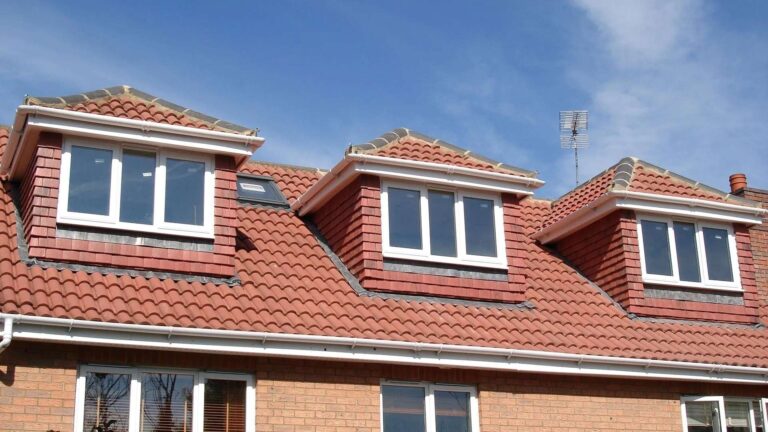
Here’s the typical timeline for a standard dormer loft conversion in West London, which is the most common type we do.
Weeks 1–2: Initial Consultation and Survey
This is where it all starts. You contact us, we arrange a site visit, and one of our team comes to your property to assess its suitability for a loft conversion.
During this visit, we measure your loft space, check the existing structure, assess head height, look at where a staircase could go, and discuss what you want to achieve. We take photos, make notes, and gather all the information we need to prepare a detailed quote.
Within a few days of the survey, we provide you with a comprehensive fixed-price quote that breaks down all costs and outlines what’s included. If you’re happy to proceed, we move to the design phase.
Weeks 3–6: Design and Planning
Once you’ve accepted our quote, we start the detailed design work. This involves working with our architect to create drawings showing existing and proposed layouts, preparing structural calculations with our engineer, and determining whether you need planning permission.
If you don’t need planning permission because your conversion falls under permitted development rights, this phase is relatively quick—3–4 weeks. We prepare building regulations drawings and submit the application to building control.
If you do need planning permission, this phase takes longer. We prepare planning drawings, submit the application, and wait for the council’s decision. This adds 8–12 weeks to your timeline, sometimes longer in conservation areas.
Weeks 7–10: Building Regulations Approval
While planning permission is being considered (if needed), or immediately after the design phase if not, we submit your building regulations application.
Building control reviews the drawings and structural calculations to ensure everything meets the required standards. This review typically takes 4–6 weeks. They may request additional information or minor amendments, which can add a week or two.
Once approval is issued, we can schedule the construction start date.
Construction Phase
For a standard dormer conversion, construction typically takes 10–14 weeks.
Weeks 1–2: Preparation and Structural Work
We start by setting up scaffolding around your property, which takes 1–2 days. Internal preparation follows—removing existing loft flooring, stripping out old insulation, and preparing for structural work.
Steel beams are delivered and installed, usually requiring a crane or specialist lifting equipment. This is a critical phase inspected by building control. We also install new floor joists and create the structural framework.
Weeks 3–5: Roof Alterations and Dormer Construction
This is when your roof starts to change. We carefully remove sections of the existing roof and begin building the dormer structure. Your property is weatherproofed throughout—we never leave your house exposed.
The dormer frame goes up, external walls are built, and the new roof structure is completed. We install roof windows (Velux or dormer windows) and ensure everything is watertight before internal works begin.
Weeks 6–8: First Fix – Electrics, Plumbing, Insulation
Once weatherproof, we move to first fix work:
- Electrical wiring for lights, sockets, and heating
- Plumbing for ensuite bathrooms
- Insulation to roof, floor, and walls
Building control inspects insulation and structural elements during this phase. We also install the staircase—once this is in, you can properly access your new loft space.
Weeks 9–11: Second Fix and Finishing
This phase transforms the space into a finished room:
- Plasterboarding and skimming
- Skirting boards and architraves
- Fire-rated doors where required
- Electrical second fix
If you’re having an ensuite, we install the bathroom suite, tiles, and fittings. Built-in storage or wardrobes are also completed.
Weeks 12–14: Decoration and Final Touches
Final works include:
- Painting throughout
- Installing flooring (carpet, laminate, or hardwood)
- Fitting final fixtures
- Completing snagging
Building control carries out a final inspection and issues your completion certificate.
Week 23+: Moving In
Once everything is finished and cleaned, you can move furniture in and start using your new loft space. Most clients take a week or two to fully settle in.
Timeline Variations for Different Conversion Types
Velux Conversion: 8–12 Weeks Construction
Velux conversions are the quickest because they use the existing roof structure. Total timeline is usually 4–5 months.
Hip-to-Gable Conversion: 12–16 Weeks Construction
More extensive structural work. With design and approvals, expect a 5–7 month total timeline.
Mansard Conversion: 14–18 Weeks Construction
Highly complex and almost always requires planning permission. Total timeline is typically 7–9 months.
L-Shaped Conversion: 14–18 Weeks Construction
Substantial build wrapping around the property. Planning permission required. Total timeline is 7–9 months.
What Can Delay Your Loft Conversion?
Planning Permission Delays
Building Regulations Delays
Weather Delays
Material Supply Issues
Unexpected Structural Issues
Party Wall Issues
Each of these can add weeks if not managed properly.
How to Minimise Delays
- Start planning early
- Choose the right time of year
- Make decisions quickly
- Use a specialist contractor
- Maintain good communication
- Be flexible
Living in Your Home During the Conversion
Most clients ask, “Do we need to move out?” The answer is no.
What to Expect
Noise is most noticeable during structural phases, typically 8am – 5pm, Monday–Friday. Some dust is unavoidable.
Making It Easier
Most clients in Hammersmith, Ealing, and Richmond stay in their homes throughout and manage well with a bit of planning.
Timeline for Different Scenarios
- Scenario 1: Simple Velux Conversion, No Planning Permission
- Scenario 2: Standard Dormer Conversion, No Planning Permission
- Scenario 3: Dormer Conversion in a Conservation Area
- Scenario 4: L-Shaped Conversion, Planning Permission Required
Frequently Asked Questions
How long does a loft conversion take from start to finish?
Typically 4–6 months. Add 8–12 weeks if planning permission is required.
How long is the actual building work?
10–14 weeks for dormers, 8–12 weeks for Velux, 14–18 weeks for larger conversions.
Do we need to move out during a loft conversion?
No. Most clients stay in their homes.
What’s the quickest type of loft conversion?
Velux conversions.
How long does planning permission take in West London?
Usually 8–12 weeks, sometimes longer in conservation areas.
Can a loft conversion be done faster?
Not properly. Rushing causes mistakes and failed inspections.
What time of year is best to start?
Spring to early autumn (April–September).
What causes delays?
Planning issues, winter weather, inspections, materials, and unexpected structural discoveries.