West London homeowners considering loft conversions naturally have questions and concerns about the process, costs, disruption, and outcomes. From Ealing to Hammersmith, Chiswick to Hounslow, understanding the answers to common questions helps you make informed decisions and approach your loft conversion with confidence. This comprehensive guide addresses the most frequently asked questions and concerns about loft conversions in West London.
Will a Loft Conversion Add Value to My Property?
This is often the first question homeowners ask, and the answer is overwhelmingly positive. Quality loft conversions typically add 15-20% to property values throughout West London, delivering exceptional return on investment.
The numbers demonstrate the value gains clearly. A three-bedroom terraced house in Ealing worth £650,000 could increase to £780,000-£845,000 after a quality loft conversion adding a fourth bedroom. That’s a potential value increase of £130,000-£195,000 from a £40,000-£50,000 investment. Properties near Walpole Park, around Pitshanger Lane, and throughout W5 consistently see these impressive value gains when loft conversions are completed to high standards.
The value increase comes primarily from adding bedroom count, which is how most buyers search for properties. Moving from three to four bedrooms opens your property to a larger market segment—families needing more space, professionals wanting home offices plus guest rooms, and buyers willing to pay premium prices for additional bedrooms. Properties around Ravenscourt Park in Hammersmith, near Chiswick High Road, and throughout West London regularly achieve higher valuations specifically because loft conversions move them into more desirable bedroom categories.
Quality matters significantly for value gains. Professionally completed conversions with proper planning approvals, building regulations compliance, high-quality finishes, and thoughtful design add maximum value. Budget conversions with poor finishes, inadequate insulation, or compliance issues add less value and may even deter buyers. Properties throughout Ealing, Hammersmith, and Hounslow benefit most when loft conversions are completed by specialists who understand what buyers in these areas expect.
Estate agents throughout West London consistently report that quality loft conversions are highly desirable features that help properties sell faster and achieve higher prices. The combination of additional space, improved functionality, and maintained garden space makes loft conversions particularly attractive to buyers in areas where property prices are high and moving costs are substantial.
How Much Disruption Will There Be During the Conversion?
Concerns about disruption are entirely understandable, but most families find loft conversion disruption manageable and far less stressful than the alternative of moving house.
Most families remain in residence throughout their loft conversion. Work is contained primarily to the loft space, with protective measures minimizing dust and disruption to the rest of your home. You’ll experience noise during working hours (typically 8am-5pm Monday-Friday), contractors accessing your property daily, some dust despite protective measures, and temporary loss of loft storage. Properties near South Ealing Station, around Northfields, and throughout West London regularly complete conversions whilst families continue living normally.
The disruption follows a predictable pattern. The noisiest phases are the initial structural work and roof modifications, which typically last 2-3 weeks. Once the structure is complete, the remaining work—insulation, plastering, electrics, plumbing, decoration—is progressively quieter. Properties around Gunnersbury Park, near Acton Green, and throughout West London benefit from contractors who communicate clearly about what to expect each week, allowing families to plan around the noisiest phases.
Protective measures minimize dust and mess. Professional contractors seal off the work area with heavy-duty sheeting, use dust extraction equipment, and clean up daily. Whilst some dust inevitably escapes, good contractors keep the rest of your home relatively clean and functional. Properties near Ravenscourt Park, around Hammersmith Grove, and throughout W6 benefit from contractors who take site cleanliness seriously and respect that families are living in the property.
Compare this to moving house disruption. Finding a new property, making offers, dealing with chains, coordinating moving dates, packing everything you own, changing schools, updating addresses, and settling into a new area—moving house is consistently rated as one of life’s most stressful experiences. Six to eight weeks of manageable building work disruption seems very reasonable compared to 3-6 months of moving stress and uncertainty. Properties throughout Chiswick, from Turnham Green to Chiswick Common, allow families to gain needed space whilst avoiding the upheaval of moving.
Can I Stay in My Home During the Loft Conversion?
Yes, absolutely. Most West London families remain in residence throughout their loft conversion, and contractors are experienced in working around occupied properties.
Work is contained to the loft space and access routes. Contractors access the loft via existing staircases, with protective coverings on floors and stairs. The work area is sealed off from the rest of your home, maintaining privacy and minimizing disruption to your daily routines. Properties throughout Ealing, from Pitshanger Village to South Ealing, regularly complete conversions whilst families continue living normally.
Bathrooms, kitchens, and living areas remain fully functional. Unlike some home improvements that render kitchens or bathrooms unusable, loft conversions don’t affect your existing facilities. You can cook, bathe, and use your home normally throughout the project. Properties near Chiswick Park, around Hammersmith Broadway, and throughout West London maintain full functionality during conversions.
Some families choose strategic timing or brief holidays. If you have flexibility, timing your conversion to avoid major family events, school exam periods, or particularly busy work periods minimizes stress. Some families take a week’s holiday during the noisiest structural work phases, returning when the quieter finishing work begins. Properties throughout Hounslow, from Brentford to Chiswick, benefit from flexible scheduling that accommodates family needs whilst maintaining project momentum.
Children and pets adapt well with proper preparation. Explain to children what’s happening and establish rules about staying away from the work area. Pets may need to be kept in specific rooms during the day to avoid escaping when contractors are accessing the property. With sensible precautions, families with children and pets throughout West London successfully navigate loft conversions without major issues.
How Long Does a Loft Conversion Actually Take?
Timeline concerns are common, but West London loft conversions follow predictable schedules that allow you to plan appropriately.
Physical construction typically takes 6-8 weeks for most loft conversions. Dormer conversions, the most common type, usually complete within this timeframe. Velux conversions (the simplest type) may complete in 5-6 weeks. Larger conversions like mansards or L-shaped designs may take 8-10 weeks. Properties throughout Ealing, Hammersmith, and Hounslow follow these timelines, with individual circumstances causing some variation.
The total timeline includes pre-construction stages. Initial assessment and design take 1-2 weeks. Planning permission (if required) takes 8-12 weeks, though many conversions fall under permitted development and skip this stage. Building regulations approval takes 4-6 weeks but runs concurrently with other preparations. Party wall agreements (if required) take 4-6 weeks. Properties near Walpole Park, around Ravenscourt Park, and throughout West London benefit from specialists who manage these pre-construction stages efficiently.
Conversions falling under permitted development start faster. If your conversion doesn’t require planning permission and doesn’t need party wall agreements, you can start construction within 4-6 weeks of initial assessment. Many rear dormer conversions throughout West London fall under permitted development, allowing faster project starts. Properties around Turnham Green, near Acton Central, and throughout W4 regularly benefit from permitted development rights that accelerate timelines.
Compare this to moving house timelines. Finding a suitable property, making offers, mortgage applications, surveys, conveyancing, and dealing with chains typically takes 3-6 months from deciding to move through to completion, with significant uncertainty and stress throughout. Loft conversions deliver your additional space faster and more predictably. Properties throughout West London benefit from loft conversion timelines that are both shorter and more certain than moving house alternatives.
What If My Loft Doesn’t Have Enough Height?
Headroom concerns are common, but solutions exist for most properties, and many West London homes have excellent existing headroom.
Most Victorian and Edwardian properties have generous headroom. Properties throughout Ealing, Hammersmith, and Chiswick built in the Victorian and Edwardian eras typically have 2.4-2.8 metres of headroom in loft spaces, which is ideal for conversions. These properties convert beautifully without requiring any headroom modifications. Properties near Walpole Park, around Ravenscourt Park, and throughout West London’s Victorian streets have excellent existing headroom.
If headroom is limited, several solutions exist. Lowering the ceiling of the room below by 100-150mm gains valuable height whilst remaining within permitted development rights in most cases. This approach is common and doesn’t significantly affect the rooms below. Alternatively, raising your roof slightly (subject to planning permission) creates the headroom you need. Properties around Northfields, near Acton, and throughout West London sometimes use these solutions to optimize headroom.
Building regulations require minimum headroom standards, but these are achievable in most properties. You need at least 2.0-2.1 metres of headroom in habitable areas after insulation and flooring are installed. Most West London properties either already meet this standard or can achieve it with minor modifications. Professional loft conversion specialists assess your specific property and recommend the best approach for achieving compliant headroom.
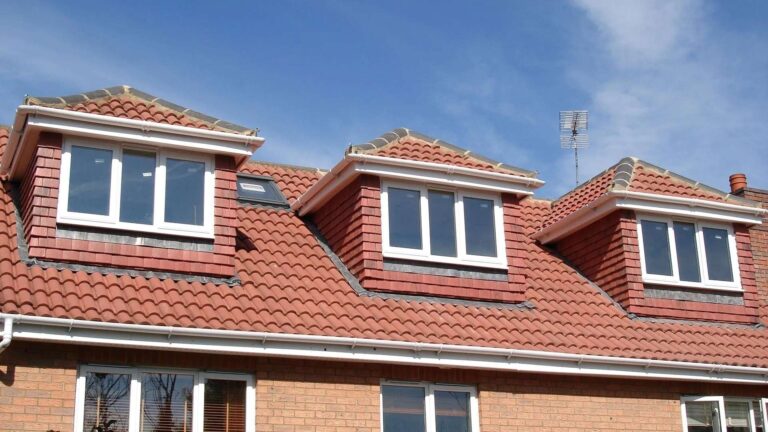
Dormer conversions create additional headroom by extending from your existing roof slope. Even if your existing loft has limited headroom, a dormer creates full-height space in the extended area. This is why dormers are so popular throughout West London—they solve headroom issues whilst creating substantial additional space. Properties near Chiswick High Road, around Hammersmith Grove, and throughout W6 regularly use dormers to create excellent headroom and usable space.
Will I Need Planning Permission?
Planning permission questions are among the most common, and the answer depends on your specific property and the type of conversion you’re planning.
Many loft conversions fall under permitted development rights, meaning you don’t need planning permission. Permitted development allows rear dormer conversions up to certain size limits (extending no more than 50 cubic metres for terraced properties, 40 cubic metres for semi-detached and detached properties), provided your property isn’t in a conservation area, isn’t a listed building, and hasn’t already used permitted development rights for other extensions. Properties throughout Ealing, Hammersmith, and Hounslow regularly benefit from permitted development, making the planning process straightforward.
Several situations require planning permission. Properties in conservation areas (including parts of Bedford Park, areas around Chiswick’s historic streets, and other designated areas throughout West London) need planning approval for most loft conversions. Listed buildings always require listed building consent. Conversions that significantly alter your roof’s appearance, extend beyond permitted development limits, or include front dormers typically need planning permission. Properties in these categories throughout West London require planning applications, which typically take 8-12 weeks for decisions.
Article 4 directions remove permitted development rights in some areas. Certain streets throughout West London have Article 4 directions that require planning permission for work that would normally be permitted development. Check with your local council (Ealing Council, Hammersmith & Fulham Council, Hounslow Council) whether your property is affected. Properties near Gunnersbury Park, around Acton Green, and throughout West London may be subject to these restrictions.
Experienced loft conversion specialists navigate planning efficiently. They understand local planning requirements, know which designs are likely to be approved, and handle planning applications professionally. Properties throughout West London benefit from specialists with proven track records of planning approvals in their specific boroughs and conservation areas.
What About Building Regulations?
Building regulations approval is required for all loft conversions, regardless of whether planning permission is needed. Understanding what this involves helps you appreciate the safety and quality standards your conversion will meet.
Building regulations ensure your conversion is safe and compliant. They cover structural integrity (ensuring your property can support the additional load), fire safety (escape routes, fire-resistant materials, smoke alarms), insulation (thermal performance and energy efficiency), ventilation (air quality and condensation prevention), and staircase design (dimensions, headroom, handrails). Properties throughout Ealing, Hammersmith, Hounslow, and across West London must meet identical building regulations standards.
Your loft conversion specialist handles building regulations applications and inspections. They prepare detailed plans showing how your conversion meets all requirements, submit applications to building control, and coordinate inspections at key stages throughout the project. You don’t need to understand the technical details—your specialist manages the entire process. Properties near Walpole Park, around Ravenscourt Park, and throughout West London benefit from specialists who have excellent relationships with local building control departments.
Building regulations inspections occur at key stages. Inspectors visit to check foundations (if required), structural work, fire safety measures, insulation installation, and final completion. These inspections ensure work meets required standards and provide peace of mind that your conversion is safe and compliant. Properties throughout West London undergo these inspections, which are standard parts of the conversion process.
Completion certificates prove compliance. Once your conversion passes final inspection, you receive a completion certificate confirming building regulations compliance. This certificate is essential for future property sales and provides buyers with confidence that your conversion was completed properly. Properties throughout Ealing, Hammersmith, and Chiswick benefit from completion certificates that add value and credibility to loft conversions.
How Much Will a Loft Conversion Cost?
Cost questions are crucial for planning and budgeting. Understanding typical costs and what affects pricing helps you budget realistically.
Costs vary by conversion type and specification. Velux conversions (the simplest type) typically cost £25,000-£35,000. Dormer conversions (the most common type) range from £35,000-£50,000. Mansard conversions cost £45,000-£65,000+. Hip-to-gable conversions run £40,000-£55,000. L-shaped conversions cost £55,000-£70,000+. These prices include all structural work, building regulations compliance, materials, and labor for properties throughout Ealing, Hammersmith, Hounslow, and across West London.
Several factors affect costs within these ranges. Property size and complexity impact pricing—larger conversions cost more than smaller ones. Specification choices matter—premium finishes, en-suite bathrooms, and built-in storage increase costs. Structural challenges like truss roofs or limited headroom requiring modifications add expense. Access difficulties in tight urban locations may increase costs slightly. Properties near Chiswick High Road, around Hammersmith Broadway, and throughout West London see cost variations based on these factors.
Additional costs beyond the basic conversion should be budgeted. Planning fees (if required) cost £200-£500. Party wall agreements cost £700-£1,500 per neighboring property. Furniture, flooring upgrades, and decoration add £2,000-£5,000. Contingency funds (typically 10-15% of the conversion cost) cover unexpected issues like hidden structural problems or design changes. Properties throughout West London benefit from realistic budgeting that includes these additional costs.
Return on investment justifies the expense. Quality loft conversions typically add 15-20% to property values throughout West London. A £45,000 conversion on a £650,000 property could increase its value by £97,500-£130,000, delivering £52,500-£85,000 net value gain after deducting conversion costs. Properties near Walpole Park, around Ravenscourt Park, and throughout West London consistently demonstrate these excellent returns, making loft conversions financially sound investments that pay for themselves through increased property value.
What About Party Wall Agreements?
Party wall concerns are common for terraced and semi-detached properties throughout West London. Understanding what’s involved helps you navigate this process confidently.
Party wall agreements are required when work affects shared walls with neighboring properties. Most loft conversions in terraced properties affect party walls, as do many semi-detached property conversions. The Party Wall Act protects both your interests and your neighbors’ interests, ensuring work is completed properly without causing damage to neighboring properties. Properties throughout Ealing, Hammersmith, and across West London’s terraced streets regularly navigate party wall processes.
The process is straightforward and managed by your specialist. Your loft conversion contractor arranges party wall surveyors who assess the planned work and prepare party wall awards documenting what work will be done and how neighboring properties will be protected. You serve party wall notices on neighboring property owners, giving them formal notification of the planned work. Neighbors can consent to the work or appoint their own surveyors if they have concerns. Properties around Chiswick High Road, near Hammersmith Grove, and throughout West London follow this standard process.
Party wall agreements add time and cost but are manageable. The process typically takes 4-6 weeks and costs £700-£1,500 per neighboring property (you pay for both your surveyor and your neighbor’s surveyor if they appoint one). Whilst this seems like an additional expense and delay, it’s a standard part of terraced property conversions throughout West London and provides legal protection for everyone involved. Properties near Ravenscourt Park, around Pitshanger Lane, and throughout W5 regularly complete party wall agreements without significant issues.
Most neighbors are cooperative. The vast majority of party wall agreements proceed smoothly, with neighbors understanding that you’re improving your property and that the process protects their interests too. Experienced loft conversion specialists throughout West London have excellent track records of maintaining good neighbor relations throughout the party wall process and construction work.
Will My Loft Conversion Be Too Hot in Summer or Cold in Winter?
Temperature concerns are common, but modern loft conversions incorporate insulation and ventilation that create comfortable year-round living spaces.
Building regulations require high-performance insulation that far exceeds what most West London properties currently have. Modern loft conversions include substantial insulation in roofs, walls, and floors, creating highly energy-efficient spaces that stay warm in winter and cool in summer. Properties throughout Ealing, Hammersmith, and Hounslow built in Victorian, Edwardian, or pre-1990s eras typically have minimal existing loft insulation. Converting your loft means upgrading to modern standards that dramatically improve thermal performance.
Proper ventilation prevents overheating. Building regulations require adequate ventilation in loft conversions, which prevents heat buildup in summer whilst maintaining air quality year-round. Openable windows, ventilation systems, and thoughtful design create comfortable temperatures even during hot weather. Properties near Walpole Park, around Chiswick Common, and throughout West London benefit from ventilation systems that maintain comfort throughout the year.
Heating systems ensure winter warmth. Loft conversions include radiators, underfloor heating, or other heating systems that maintain comfortable temperatures during cold weather. These heating systems integrate with your existing boiler (if capacity allows) or may require boiler upgrades for larger conversions. Properties around Ravenscourt Park, near Hammersmith Broadway, and throughout W6 benefit from properly designed heating systems that create cozy loft spaces even in winter.
Window design affects temperature control. South-facing windows provide maximum natural light but can contribute to summer heat gain. Thoughtful window placement, blinds, and ventilation balance light with temperature control. North-facing windows provide consistent light without excessive heat gain. Properties throughout Chiswick, from Turnham Green to Chiswick Park, benefit from window designs that optimize both light and temperature control.
Frequently Asked Questions About Loft Conversion Concerns
Will a loft conversion affect my home insurance?
Yes, you should notify your home insurance provider when planning a loft conversion. Most insurers increase coverage to reflect your property’s increased value and the additional living space. Premiums typically increase modestly, but the additional coverage protects your investment. Inform your insurer before work begins and update your policy once the conversion completes. Properties throughout West London should maintain appropriate insurance coverage throughout and after loft conversions.
Can I convert my loft if I have a truss roof?
Yes, truss roofs can be converted, though they require more structural work than traditional cut timber roofs. The trusses are removed and replaced with traditional timber framing using steel beams to support the roof structure. This adds cost (typically £5,000-£10,000 extra) and requires careful structural engineering, but it doesn’t prevent conversion. Many modern properties throughout Hounslow, Brentford, and across West London successfully convert truss roof lofts.
What happens if we discover problems during the conversion?
Reputable contractors include contingency allowances (typically 10-15%) in quotes to cover unexpected issues like hidden structural problems, outdated wiring requiring replacement, or unforeseen complications. If significant issues arise, good contractors discuss options and costs before proceeding. This is why choosing experienced specialists with proven track records is so important—they anticipate potential issues and handle surprises professionally.
Will my neighbors object to the loft conversion?
Most neighbors throughout West London are understanding about loft conversions, recognizing that homeowners have the right to improve their properties. Party wall agreements protect neighbors’ interests, and good contractors minimize disruption through considerate working practices. Communicating with neighbors before work begins, explaining what’s planned and the expected timeline, helps maintain good relations. The vast majority of West London loft conversions proceed without neighbor objections.
Can I use my loft conversion as a separate flat or rental unit?
Converting your loft into a self-contained flat requires planning permission for change of use and must meet additional building regulations requirements including separate access, fire safety measures, and sound insulation. This is more complex and expensive than standard loft conversions. However, creating additional bedrooms or home offices within your existing dwelling doesn’t require change of use permission. Properties throughout West London should consult planning specialists if considering self-contained loft flats.
How do I choose between different types of loft conversions?
The best type depends on your property characteristics, budget, and space needs. Velux conversions work when you have good existing headroom and want minimal external changes. Dormer conversions suit most properties and offer excellent value. Mansard conversions create maximum space but require planning permission. Hip-to-gable conversions suit properties with hipped roofs. L-shaped conversions create maximum space on semi-detached and detached properties. Consult with loft conversion specialists who can assess your property and recommend the optimal approach.
What guarantees should I expect from my loft conversion specialist?
Reputable specialists offer insurance-backed guarantees (typically 5-10 years) covering structural work, building regulations compliance, and workmanship. These guarantees protect you even if the company ceases trading. Comprehensive public liability insurance (minimum £5 million), structural warranty insurance, and professional indemnity insurance are essential. Properties throughout Ealing, Hammersmith, and Hounslow deserve contractors who provide these protections and peace of mind.
Will the loft conversion affect the rest of my house structurally?
Properly designed loft conversions strengthen your property’s structure through new support beams, reinforced floor joists, and engineered structural elements. Building regulations ensure structural integrity, and structural engineers design conversions to safely distribute loads throughout your property. The structural work actually improves your property’s overall structural performance. Properties throughout West London benefit from structural engineering that ensures conversions are safe and don’t compromise existing structures.
Conclusion: Addressing Concerns and Moving Forward with Confidence
Understanding the answers to common questions and concerns helps West London homeowners approach loft conversions with confidence. From value gains and disruption management to planning requirements and cost considerations, informed homeowners make better decisions and achieve better outcomes.
Whether you’re near Walpole Park in Ealing, around Ravenscourt Park in Hammersmith, close to Chiswick High Road, or anywhere throughout West London, addressing your concerns and questions before starting your loft conversion ensures you proceed with confidence and achieve the results you want. The combination of realistic expectations, professional specialists, and careful planning creates successful loft conversions that transform properties and enhance quality of life throughout West London.